United States
Charleston, South Carolina Itinerary: How Many Days + Sample Plans
Unrivaled Lowcountry dining, antebellum architecture, and coastal salt-marsh rhythm on a walk-everywhere peninsula.
Traveler rating
Loved by architecture and preservation enthusiasts.
Plan & book
Sort your Charleston, South Carolina trip in one place.
We point you to the booking tools we'd actually use — live prices, no markup. Or let us build the day-by-day plan around you first, then book.
Pick your trip length
How many days do you need in Charleston, South Carolina?
Each of these opens a full day-by-day plan you can make your own.
- 2 days — Two days — the essentials, no rushing.
- 3 days — Three days — the icons plus one neighborhood.
- 4 days — Four days — a full city without sprinting.
- 5 days — Five days — room for a day trip.
- 7 days — A week — the city at a human pace.
- With Kids trip — Shorter days, earlier dinners, what to skip.
- For Couples trip — Two-person pacing with evenings built in.
- Solo trip — A plan that works well on your own.
- Food trip — Meals and markets as the anchors.
- Outdoors trip — Nature, walks and open air.
- Culture trip — History, museums and the streets around them.
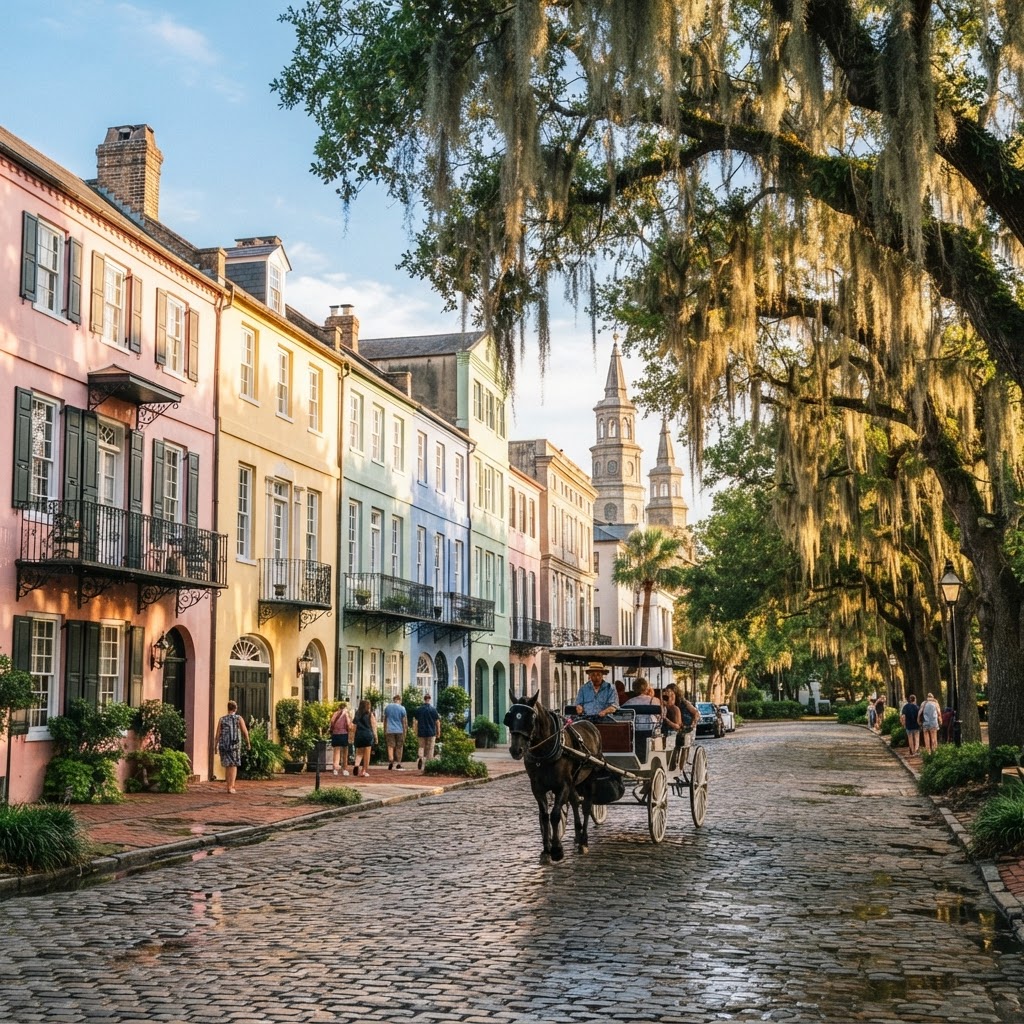
Charleston delivers an intense concentration of living history, coastal scenery, and country-leading dining within a tight, three-mile-wide peninsula. Cobblestone alleyways, single houses with tiered piazzas, and ironwork gates sit right alongside groundbreaking culinary kitchens and deep, sobering Gullah Geechee heritage. Because downtown is flat, compact, and pedestrian-scaled, you spend days walking rather than commuting, transitioning effortlessly from waterfront promenades to world-class tables.
4 days
Best time
Mid-October through mid-November, or mid-April through May.
Build your own trip with these prebuilt itineraries
Each one is a tested, day-by-day plan for Charleston, South Carolina — start here, then make it yours.
2 Days in Charleston
French Quarter, Rainbow Row, Battery promenade, and Lowcountry dining
3 Days in Charleston
Historic architecture, King Street shopping, harbor sail, and Gullah Geechee heritage
4 Days in Charleston
Downtown core plus historic plantations and Sullivan's Island beach escape
Go for one of the most cohesive urban historic districts in North America married to an exceptionally competitive Lowcountry food scene. Unlike sprawled regional capitals, Charleston allows you to stay in historic boutique inns, walk everywhere, and experience complex, centuries-old history—from the transatlantic slave trade to the opening salvos of the Civil War—without stepping into a tour bus.
Where to stay
Getting there
Getting around
Food & drink
What it costs
Skip it if
Skip Charleston if you are seeking a fast-paced metropolis with round-the-clock nightlife, or if you refuse to tolerate brutal midsummer heat and humidity. Budget backpackers will also struggle to find affordable accommodation on the peninsula without retreating to generic suburban strip corridors in North Charleston.
When to go
Spring and autumn provide comfortable 70-degree walking temperatures without the suffocating coastal humidity of midsummer. October and November dodge the spring pollen and peak azalea tour bus congestion, while maintaining warm harbor breezes.
Peak (March–May, October)
Sublime walking weather and gardens in bloom, but hotel rates hit annual highs and prime dinner reservations book out 30 days in advance.
Shoulder (September, November–early December)
Late autumn brings crisp evenings and light crowds; September is warm and atmospheric, though it carries Atlantic hurricane watch potential.
Low (January–February, July–August)
July and August bring oppressive 90-degree heat and torrential afternoon downpours; winter is chilly and gray (45–55°F) but offers uncrowded streets and low hotel rates.
Neighborhoods
Where you stay shapes the trip. Here's how to think about it.
South of Broad
Stately, hushed antebellum mansions with gas-lit brick lanes and walled gardens
Best for:Architecture buffs and quiet morning walks
Don't miss:The pedestrian promenade along the High Battery wall looking out across Charleston Harbor toward Fort Sumter.
French Quarter
Historic district core with cobblestones, 18th-century warehouses, and independent art galleries
Best for:First-time visitors wanting instant walkability to historic sights
Don't miss:A quiet cut-through along Chalmers Street to inspect the pink stucco façade of the Old Slave Mart Museum.
Upper King Street
Energetic dining artery lined with restored brick storefronts, cocktail dens, and bustling bistros
Best for:Food lovers and evening nightlife
Don't miss:Late-afternoon drinks and raw oysters at The Ordinary inside a grand, 1920s repurposed bank building.
Cannonborough-Elliotborough
Laid-back residential pocket defined by corner bakeries, natural wine bars, and classic Charleston single houses
Best for:Repeat travelers and travelers avoiding carriage-tour routes
Don't miss:Pastries and espresso at Sugar Bakeshop, followed by an intimate dinner tucked away at Chubby Fish (arrive before doors open for the waitlist).
Harleston Village
Leafy academic streets around the College of Charleston, shaded by sprawling live oaks and Spanish moss
Best for:Travelers seeking a peaceful residential feel within an easy walk of King Street
Don't miss:A slow perimeter loop around Colonial Lake at dusk when neighborhood dogs and locals gather along the water.
Destination intelligence
Updated 10/6/2026The structured record we plan every Charleston, South Carolina itinerary from.
Walkability
High
Transit quality
Moderate
Car needed
No
Ideal duration
4 days
Minimum useful
2 days
Peak season
March through May, and October
Shoulder season
September, November, and early December
Low season
January to February, and July to August
Best for
Common mistakes
- Renting a car at the airport when planning to remain downtown, incurring $35 to $50 daily valet parking fees.
- Failing to reserve dinner tables 30 to 60 days in advance for peak dining spots on Upper King and Queen Street.
- Visiting in July or August without anticipating oppressive 90-degree humidity and afternoon tropical downpours.
- Unwittingly parking on low-lying street corners during full moon king tides, when seawater backs up through coastal storm drains.
- Skipping the complex, difficult history of slavery and Gullah culture in favor of sanitized plantation carriage tours.
Best nearby
How to plan it
- Stay south of Calhoun Street if you want an unhurried, porch-sitting historic retreat; stay between Calhoun and Spring Streets if your trip is built around hopping between restaurants and wine bars.
- Do not try to visit an outlying Ashley River plantation and an outer barrier beach on the same day—crossing bridges and fighting suburban connector traffic eats hours you would rather spend on the peninsula.
- Book your historic house tour (like the Aiken-Rhett House or Nathaniel Russell House) for the morning, saving the heat of mid-afternoon for air-conditioned galleries or the International African American Museum at Gadsden's Wharf.
- Ditch the standard horse-drawn carriage queue on Market Street and book an architectural walking tour led by a licensed preservation guide instead—you will explore smaller alleys where carriages are legally banned.
- Pair your trip with an afternoon ferry out to Fort Sumter or an evening drive to Sullivan's Island for peel-and-eat shrimp at The Obstinate Daughter, rather than packing your days solely with downtown walking.
Questions
More in United States
Tampa, Florida
United States
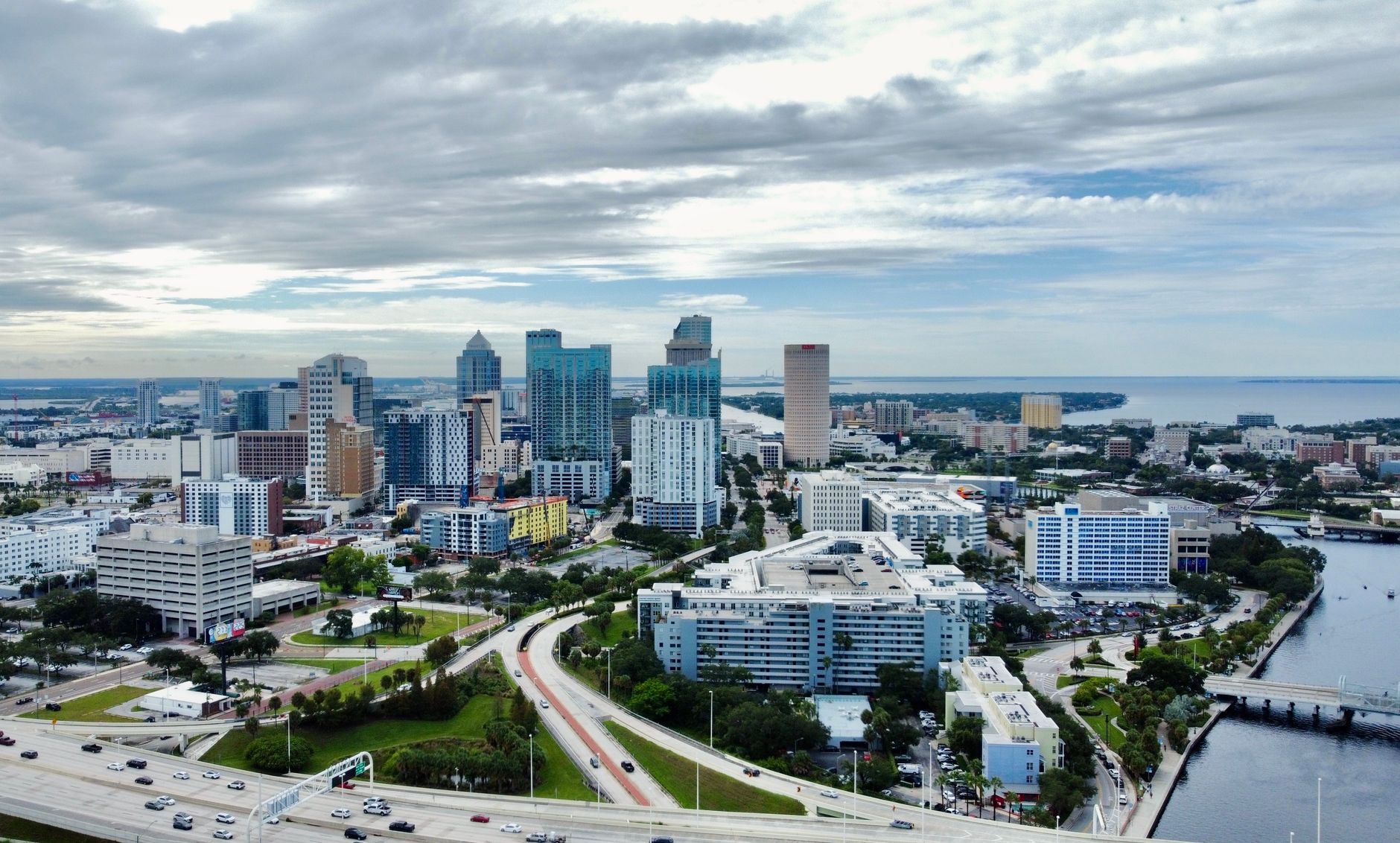
A historic cigar-making heritage wrapped in polished waterfront revivals and Gulf Coast culinary ambition.
Milwaukee, Wisconsin
United States
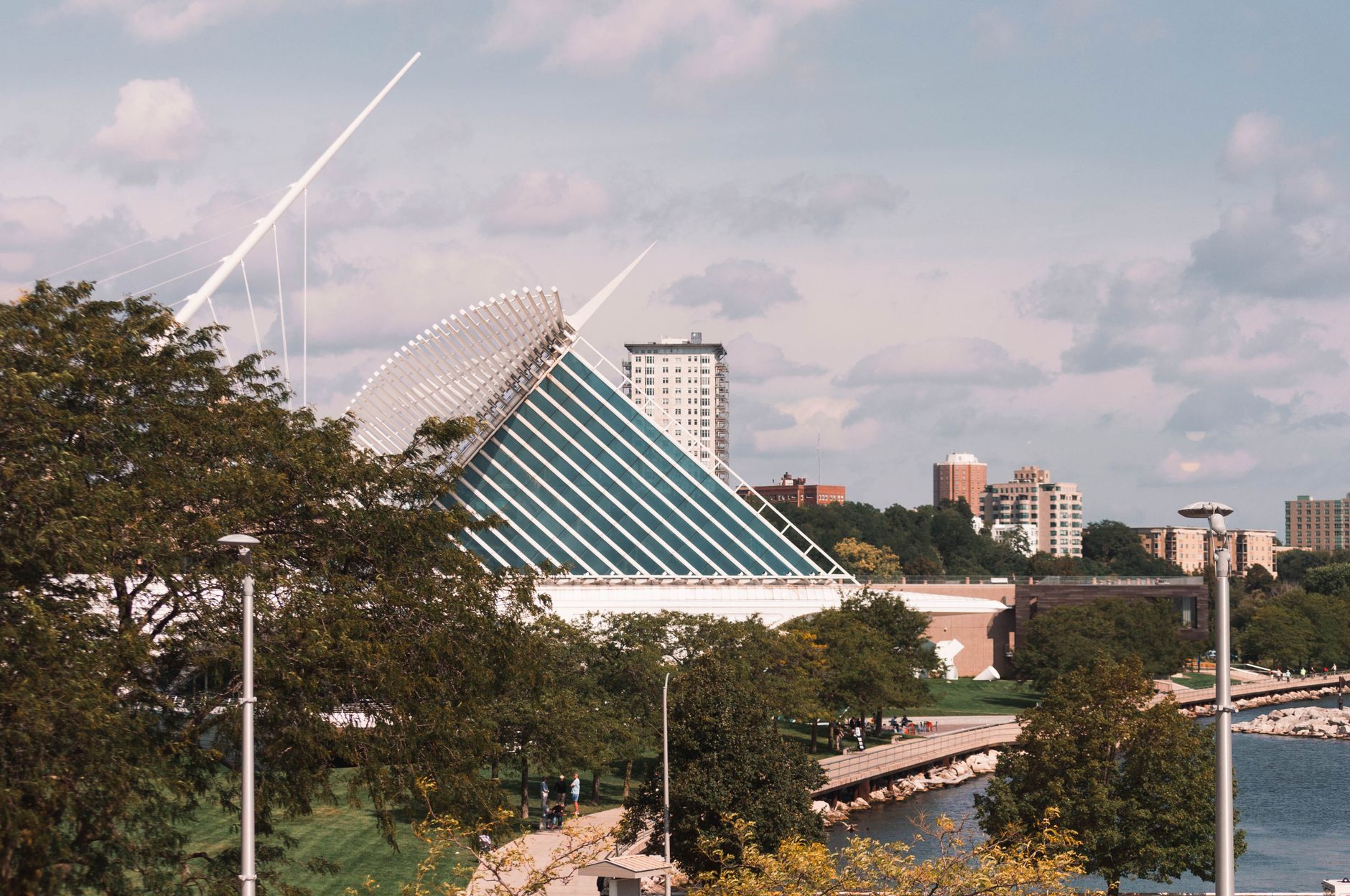
Industrial lakeside cool anchored by serious culinary chops and effortless urban grit.
Door County, Wisconsin
United States
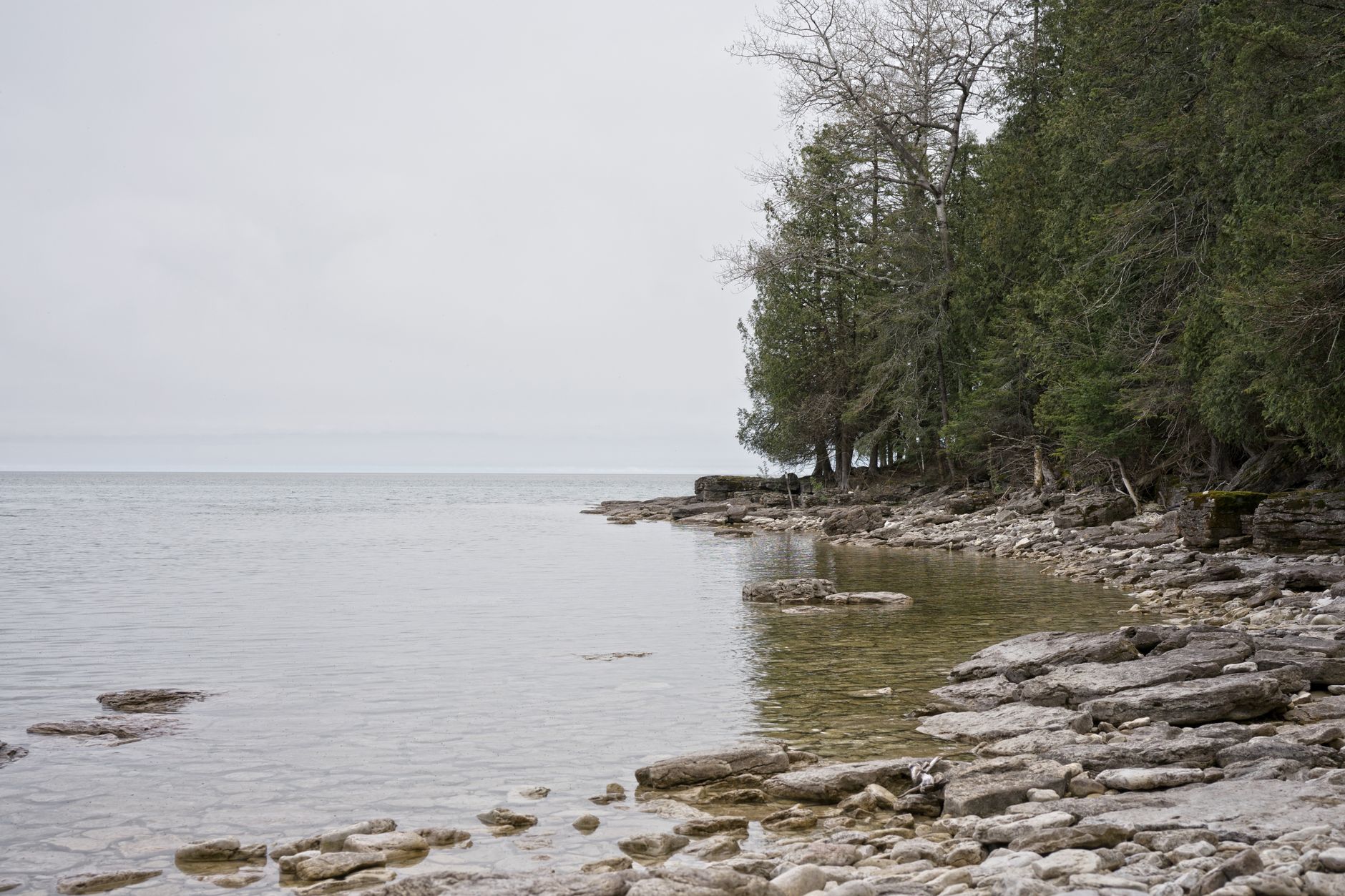
Limestone bluffs, heritage cherry orchards, and lakefront villages on Lake Michigan.

Traverse City, Michigan
United States
Freshwater bays, cool-climate vineyards, and windswept dunes anchored by a farm-driven culinary hub.
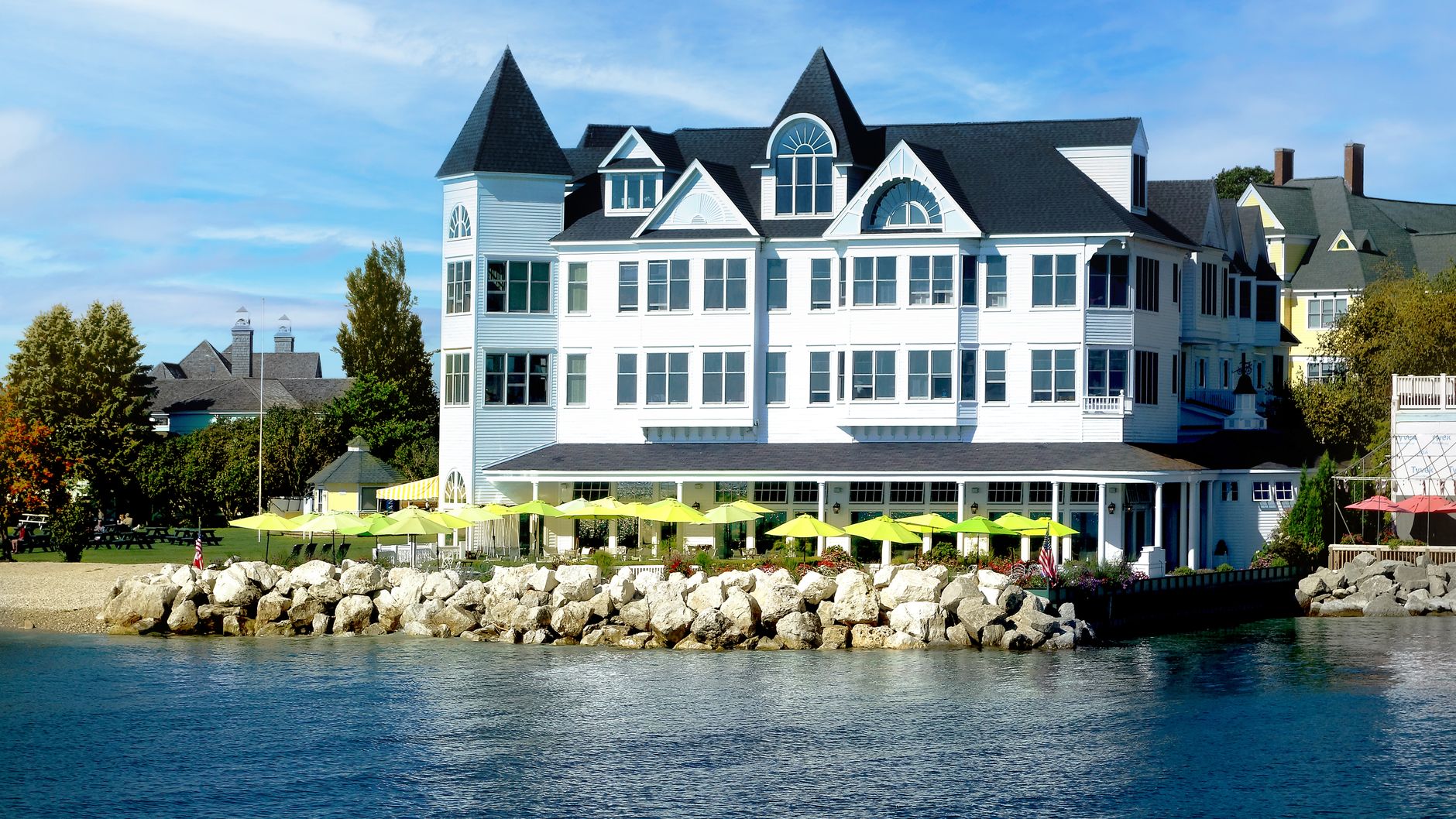
Mackinac Island, Michigan
United States
Car-free Victorian bluffs, freshwater coastlines, and horse-drawn transport

Baltimore, Maryland
United States
Industrial maritime roots, blue-collar grit, and distinct neighborhood enclaves.
Readymade itineraries
Start from a tested template — then make it yours.
Ready to book
Lock in your Charleston, South Carolina trip
Everything in one place. We may earn a small commission — it never costs you more.
Plan a trip to Charleston, South Carolina
Pick a length and we'll build a day-by-day plan around how you travel — neighborhoods clustered, budget-aware, and editable.
Get better at planning trips like this
Occasional notes on planning smarter — no spam, unsubscribe anytime.
Plan a trip to Charleston, South Carolina
Turn this guide into a day-by-day plan built around your pace, your group, and your budget.
Build my Charleston, South Carolina trip