Argentina
Bariloche
Glacial lakes, alpine forest trails, and artisanal chocolate on the northern edge of Patagonia.
Plan & book
Sort your Bariloche trip in one place.
We point you to the booking tools we'd actually use — live prices, no markup. Or let us build the day-by-day plan around you first, then book.
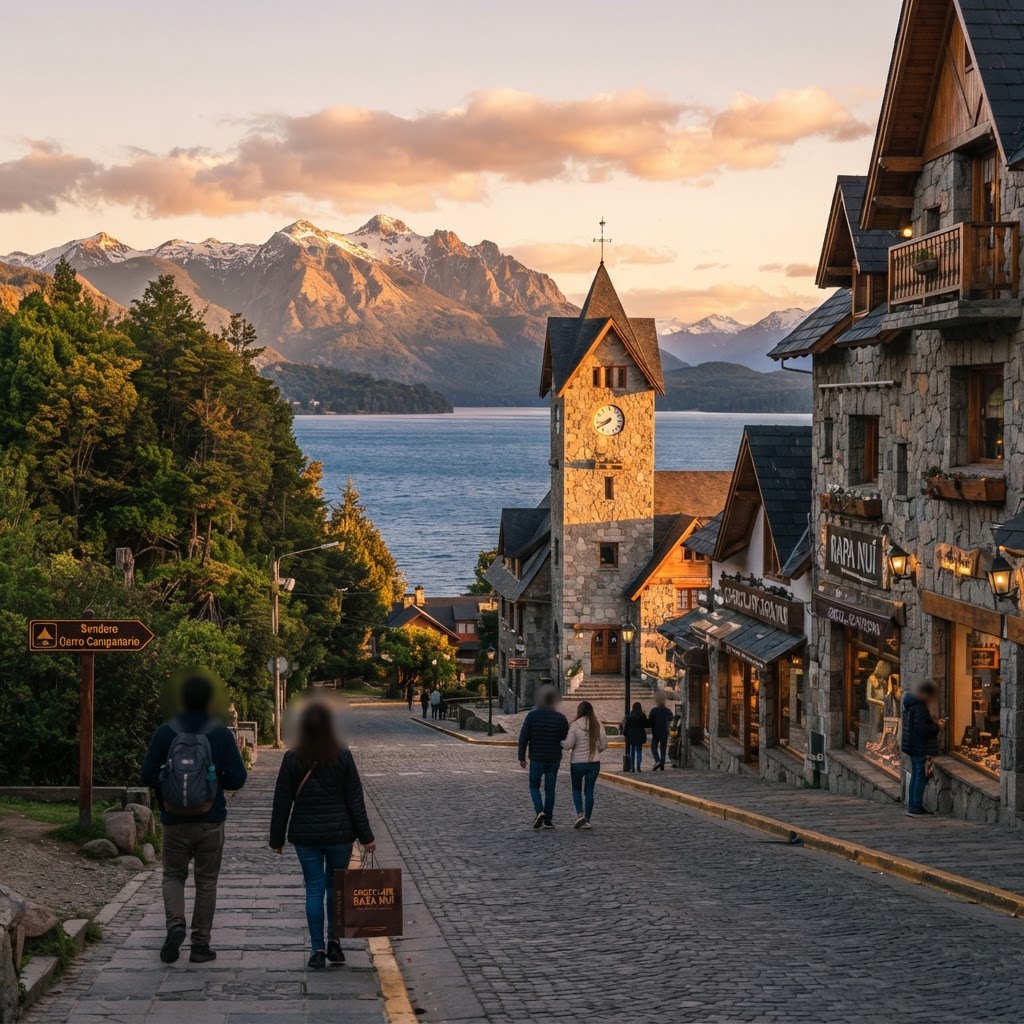
Set along the southern shore of glacial Lake Nahuel Huapi, San Carlos de Bariloche serves as the gateway to northern Argentine Patagonia. Purpose-developed in the mid-20th century with Swiss-influenced timber and stone architecture, it blends mountain outdoor recreation with an established food culture centered on craft beer, wild game, and chocolate.
4 to 5 days
Best time
Mid-January to late February for warm lake trekking, or mid-July to August for prime Andean ski powder.
Build your own trip with these prebuilt itineraries
Each one is a tested, day-by-day plan for Bariloche — start here, then make it yours.
7 Days of Northern Patagonia & Seven Lakes Road Trip in Bariloche
Scenic self-drive exploring remote shores, Villa La Angostura, and the Route of the Seven Lakes
5 Days of Trekking & Mountain Lodges in Bariloche
Active outdoors adventure tackling iconic day hikes, ridgeline trails, and glacial lake refugios
3 Days of Classic Highlights & Lakes in Bariloche
First-time alpine highlights, artisanal chocolate, Circuito Chico, and panoramic lake vistas via public transit
Bariloche delivers Patagonian mountain scale without requiring backcountry expeditions or polar-grade endurance. You can hike through ancient arrayán forests, kayak glacial waters, and climb granite towers during the day, then return to a heated cabin, craft brewpubs, and wood-fired trout dinners each night.
Where to stay
Getting there
Getting around
Food & drink
What it costs
Things to do
Book tours & tickets in BarilocheSkip it if
Skip Bariloche if you crave raw, untouched wilderness devoid of tourist infrastructure; southern destinations like El Chaltén or Puerto Natales offer far more remote trekking. Also skip it if you are looking for classic Andean indigenous culture, as Bariloche's identity is distinctly European-influenced resort living.
When to go
Summer yields long daylight hours and open high-altitude mountain refugios, but brings heavy domestic crowds and crowded roads along Bustillo. March and April provide crisp, uncrowded hiking with golden southern beech foliage at half the lodging rates.
Peak (Jan–Feb & Jul–Aug)
Summer lake sports and July school-holiday skiing drive peak pricing; car rentals and refugios sell out months early.
Shoulder (Oct–Nov & Mar–Apr)
Outstanding trail conditions, sharp autumn foliage or spring blooms, manageable bus loads, and temperate sunny afternoons.
Low (May–Jun & Sep–early Oct)
Cloudy, rainy shoulder transitions; mountain trails are muddy or icy, while ski infrastructure remains shuttered until July.
Neighborhoods
Where you stay shapes the trip. Here's how to think about it.
Centro Cívico & Downtown
Alpine stone civic squares, bustling pedestrian blocks, chocolate shops, and transit hubs.
Best for:First-timers, travelers without a rental car, and budget backpackers.
Don't miss:Freshly poured hot chocolate and artisan blocks along Calle Mitre, plus early-morning departures on Bus 20.
Playa Bonita (Avenida Bustillo Km 7–8)
Pebble-beach tranquility on Nahuel Huapi with effortless access to waterfront dining.
Best for:Mid-range travelers wanting lake views without surrendering municipal bus connectivity.
Don't miss:Craft beer and sunset views over the water at Cervecería Kunstmann across from the shore.
Villa Llao Llao (Avenida Bustillo Km 25)
Refined wilderness enclave enveloped by coihue forests, glacial bays, and historic grandeur.
Best for:Luxury seekers, quiet retreats, and early-morning national park trail starters.
Don't miss:Afternoon tea service overlooking Tronador at the historic Llao Llao Resort followed by the Bosque de Arrayanes boat dock.
Colonia Suiza
Rustic mountain hamlet defined by timber shanties, woodsmoke, and Sunday artisan markets.
Best for:Food-focused day-trippers and hikers tackling western Nahuel Huapi trailheads.
Don't miss:The Wednesday and Sunday open-air preparation of curanto, an indigenous pit-cooking feast under earth and hot stones.
Cerro Catedral
Alpine base village that lives and breathes powder snow in winter and quiet trail access in summer.
Best for:Winter skiers, downhill mountain bikers, and backcountry hut trekkers.
Don't miss:Catching the Amancay gondola to start the high-ridge trek over to Refugio Frey.
Destination intelligence
Updated 9/14/2026The structured record we plan every Bariloche itinerary from.
Walkability
Moderate. Downtown around the Civic Center and Calle Mitre is fully walkable on foot, but accessing lake viewpoints, beaches, and national park trailheads requires buses, private shuttles, or a car.
Transit quality
Good. Reliable public buses service the main artery of Avenida Bustillo connecting the center to Puerto Pañuelo, Cerro Campanario, and Cerro Catedral, payable exclusively with the Argentina SUBE card.
Car needed
Optional. Public buses handle main tourist points along Avenida Bustillo well, but renting a car unlocks unhurried hiking starts, Lago Gutiérrez access, and independent day-tripping to Villa La Angostura.
Ideal duration
4 to 5 days
Minimum useful
3 days
Peak season
January to February (summer hiking and lake sports) and July to August (winter skiing at Cerro Catedral). Expect high prices and packed lakeside traffic.
Shoulder season
October to November (spring blooming, empty trails, cool weather) and March to April (crisp autumn colors along the lake shores and lower crowds).
Low season
May to June (rainy transition to winter) and September to early October (muddy ski runoff before spring warms up).
Best for
Common mistakes
- Staying in downtown Bariloche when you were expecting quiet alpine lake views directly outside your window.
- Assuming you can explore trailheads and the Seven Lakes without a car or without obtaining a pre-loaded SUBE transit card in advance.
- Underestimating the intense wind and rapid temperature drops on open ridgelines, even in mid-summer.
Best nearby
See what a trip to Argentina actually costs. Travel Budget Co.
How to plan it
- Base yourself downtown without a car, but relocate west of Km 7 on Avenida Bustillo if you want quiet lakefront mornings.
- Do not attempt both the Circuito Chico loop and the Seven Lakes Drive on the same day; each demands an entire afternoon to avoid rushing.
- Start the Cerro Campanario chairlift before 9:30 AM to beat tour buses arriving from the town center.
- Reserve mandatory national park trekking permits online at Bariloche Trekking before heading up trails to Refugio Frey or Mount Tronador.
- Pair your visit with a rental car road trip north along Ruta 40 through Villa La Angostura and into San Martín de los Andes.
Questions
More in Argentina
Readymade itineraries
Start from a tested template — then make it yours.
Ready to book
Lock in your Bariloche trip
Everything in one place. We may earn a small commission — it never costs you more.
Plan a trip to Bariloche
Pick a length and we'll build a day-by-day plan around how you travel — neighborhoods clustered, budget-aware, and editable.
Get better at planning trips like this
Occasional notes on planning smarter — no spam, unsubscribe anytime.
Plan a trip to Bariloche
Turn this guide into a day-by-day plan built around your pace, your group, and your budget.
Build my Bariloche trip