
United States
Asheville, North Carolina
Appalachian terroir, Gilded Age estates, and independent craft culture in the Blue Ridge Mountains
Plan & book
Sort your Asheville, North Carolina trip in one place.
We point you to the booking tools we'd actually use — live prices, no markup. Or let us build the day-by-day plan around you first, then book.
Asheville sits in a river basin encircled by the Blue Ridge Mountains, anchored by a rare concentration of preserved 1920s Art Deco architecture and sustained by an obsessive food and craft beer culture. Unlike polished mountain resort towns that function merely as outdoor playgrounds, Asheville blends a working-artist community, James Beard-honored Appalachian dining, and immediate access to the ancient ridgelines of Western North Carolina.
4 days
Best time
Mid-April through May for mountain blooms and mild hiking, or late September through October for peak ridgeline foliage.
Build your own trip with these prebuilt itineraries
Each one is a tested, day-by-day plan for Asheville, North Carolina — start here, then make it yours.
5 Days in Asheville & Western North Carolina Mountains in Asheville
A slower-paced deep dive featuring mountain day trips, regional craft pottery communities, waterfall circuits, and immersive culinary experiences.
4 Days of Blue Ridge Trails & Craft Brews in Asheville
Outdoor adventure and beverage focus combining high-elevation hikes in Pisgah National Forest, scenic Blue Ridge Parkway drives, and West Asheville craft breweries.
3 Days in Asheville: The Essential Highlights in Asheville
First-time overview covering the iconic Biltmore Estate, Downtown Art Deco architecture, and the River Arts District galleries paired with farm-to-table dining.
Go for an intersection of mountain geography and culinary seriousness that does not exist anywhere else in the American Southeast. In a single day, you can trail run across craggy granite balds along the Blue Ridge Parkway, browse working artist studios in the River Arts District, and sit down to world-class wood-fired dining or regional craft brewing that sources directly from micro-farms across the French Broad River valley.
Where to stay
Getting there
Getting around
Food & drink
What it costs
Skip it if
Skip Asheville if you demand a fully car-free metropolitan vacation with seamless rail or subway transit, if you dislike mountainous winding switchback driving, or if you prefer warm coastal beaches and high-energy metropolitan nightlife.
When to go
October brings extraordinary fall foliage across the Blue Ridge range, but demands 6-month hotel lead times, premium rates, and congested parkway lookouts. Spring delivers rushing waterfalls, blooming rhododendrons, and manageable dining reservations without summer's valley humidity.
Peak (June–August & October)
Expect bumper-to-bumper Parkway overlooks in October and high room rates all summer as Southerners flee lowland heat; book lodging and marquee dining months ahead.
Shoulder (April–May & September)
Crisp 60–70°F trail weather, spring wildflower surges, and accessible restaurant reservations before the autumn leaf-peeping surge.
Low (January–March)
Sharp mountain freezes, thin crowds, and bargain boutique hotel rates, but high-elevation sections of the Blue Ridge Parkway frequently close due to ice and snow.
Neighborhoods
Where you stay shapes the trip. Here's how to think about it.
Downtown Asheville
Concentrated 1920s Art Deco architecture packed with independent bookstores, buskers, and high-density dining.
Best for:First-timers, architecture buffs, and car-free evenings.
Don't miss:The architectural detail inside the 1929 Grove Arcade and browsing Malaprop's Bookstore/Cafe on Haywood Street.
West Asheville
Unhurried, residential counterculture anchored along Haywood Road by vintage shops, record stores, and neighborhood bakeries.
Best for:Repeat visitors, casual food lovers, and travelers seeking an authentic local feel away from tourist crowds.
Don't miss:Sourdough and pastries at Owl Bakery followed by a craft pint at Archetype Brewing.
River Arts District (RAD)
Industrial brick warehouses and rail spurs along the French Broad River, rebuilt and bustling with working artist studios and open-air smokehouses.
Best for:Art collectors, studio browsers, and craft beer enthusiasts.
Don't miss:Watching glassblowers at North Carolina Glass Center followed by brisket at 12 Bones Smokehouse.
South Slope
A compact industrial-turned-brewery hub south of Downtown lined with open garage doors, taprooms, and late-night eats.
Best for:Craft beer aficionados, bar-hoppers, and casual night owls.
Don't miss:Wood-fired sour beers and cider at Burial Beer Co. alongside tacos from the back patio.
Montford
Quiet, leafy residential blocks lined with preserved Victorian, Queen Anne, and Arts and Crafts homes.
Best for:Architecture walkers, bed-and-breakfast guests, and couples seeking quiet nights minutes from downtown.
Don't miss:A sunset stroll past the historic homes on Montford Avenue ending with tapas at Zambra or dinner on the porch at Nine Mile.
Destination intelligence
Updated 9/14/2026The structured record we plan every Asheville, North Carolina itinerary from.
Walkability
Low overall. Downtown is walkable for dining and shops, but the wider city is fragmented by rivers, hills, and highways requiring a vehicle.
Transit quality
Low. The ART bus system covers central corridors with limited frequency, but mountain trailheads and scenic vistas have zero public transit.
Car needed
Yes. Essential for exploring trailheads, the Blue Ridge Parkway, Pisgah Forest, and moving efficiently between separated neighborhoods.
Ideal duration
4 days
Minimum useful
2 days
Peak season
October (fall foliage) and June through August (summer mountain escapes and rhododendron blooms). Expect heavy traffic, maximum lodging rates, and crowded trails.
Shoulder season
April to May (spring mountain wildflowers, mild hiking weather) and September (crisp weather before peak foliage crowds).
Low season
January through March. Cold mountain winds, frequent icy closures along high-elevation sections of the Blue Ridge Parkway, but lowest hotel rates and easy dinner reservations.
Best for
Common mistakes
- Failing to book dining reservations weeks in advance for flagship restaurants like Cúrate and Rhubarb.
- Relying on rideshare apps to return from remote Blue Ridge Parkway overlooks or trailheads with zero mobile service.
- Underestimating Biltmore Estate logistics; visiting requires a full half-day or more, advance timed entry, and navigating a massive 8,000-acre private property.
- Visiting in peak October without booking accommodations 6 to 9 months ahead.
- Assuming the entire city is walkable without budgeting for a car to reach West Asheville, RAD, and trailheads.
Best nearby
How to plan it
- Base yourself in Downtown or Montford if you want to walk to dinner and drinks every evening without wrestling for paid parking decks.
- Don't try to cram the Biltmore Estate and a major Pisgah National Forest waterfall hike into the same calendar day; each demands significant physical stamina and transit.
- Reserve Cúrate 30 days ahead when tables drop; if you miss the window, line up 15 minutes before their 4:00 PM opening for first-come bar seating.
- Pair a morning walk through River Arts District studios with an early afternoon drive up the Parkway toward Craggy Gardens (Milepost 364.1) for high-elevation vistas.
- Pick up trail provisions, cured meats, and sandwiches at Chop Shop Butchery in North Asheville before heading out on any multi-hour forest hike.
Questions
More in United States
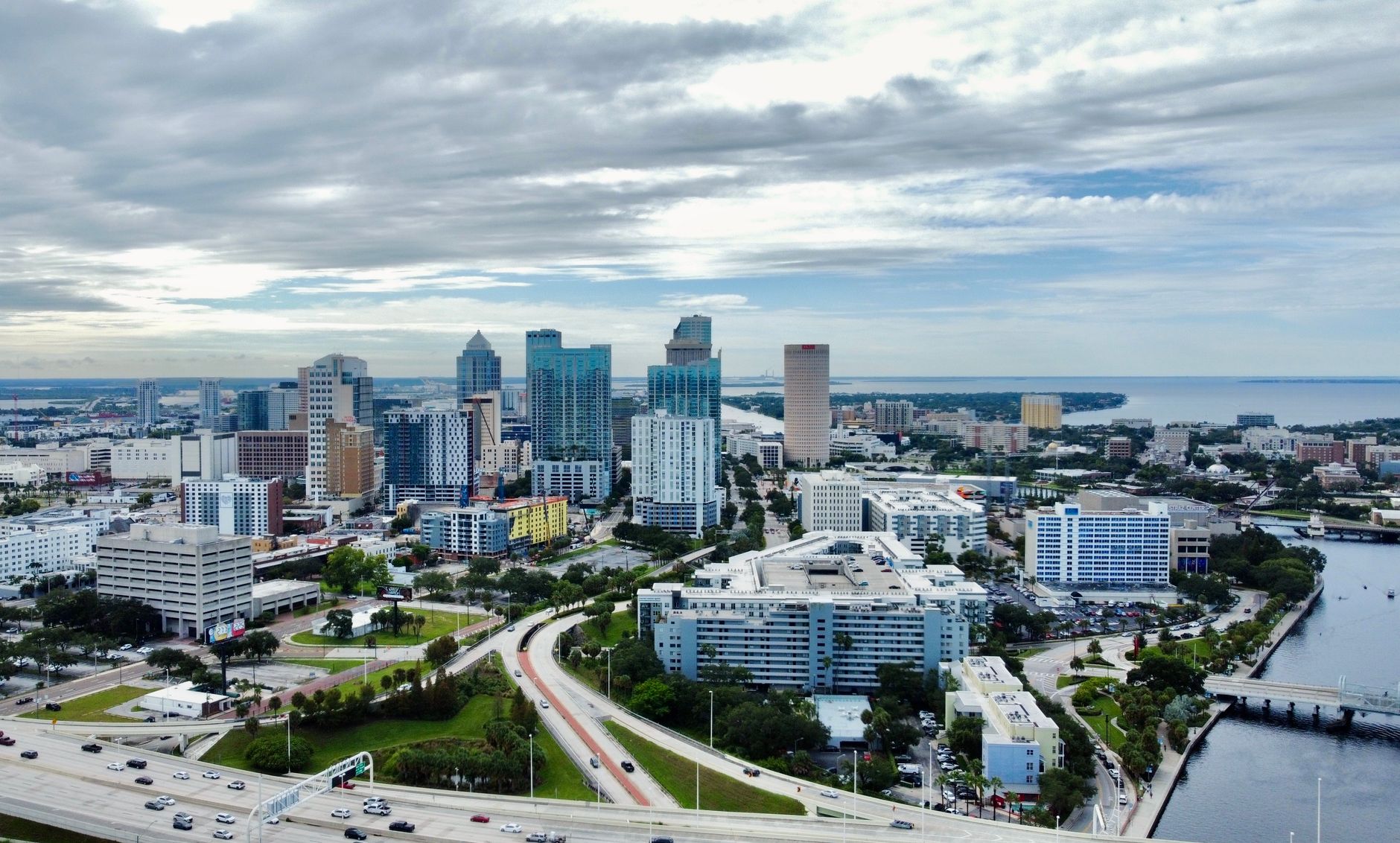
Tampa, Florida
United States
A historic cigar-making heritage wrapped in polished waterfront revivals and Gulf Coast culinary ambition.
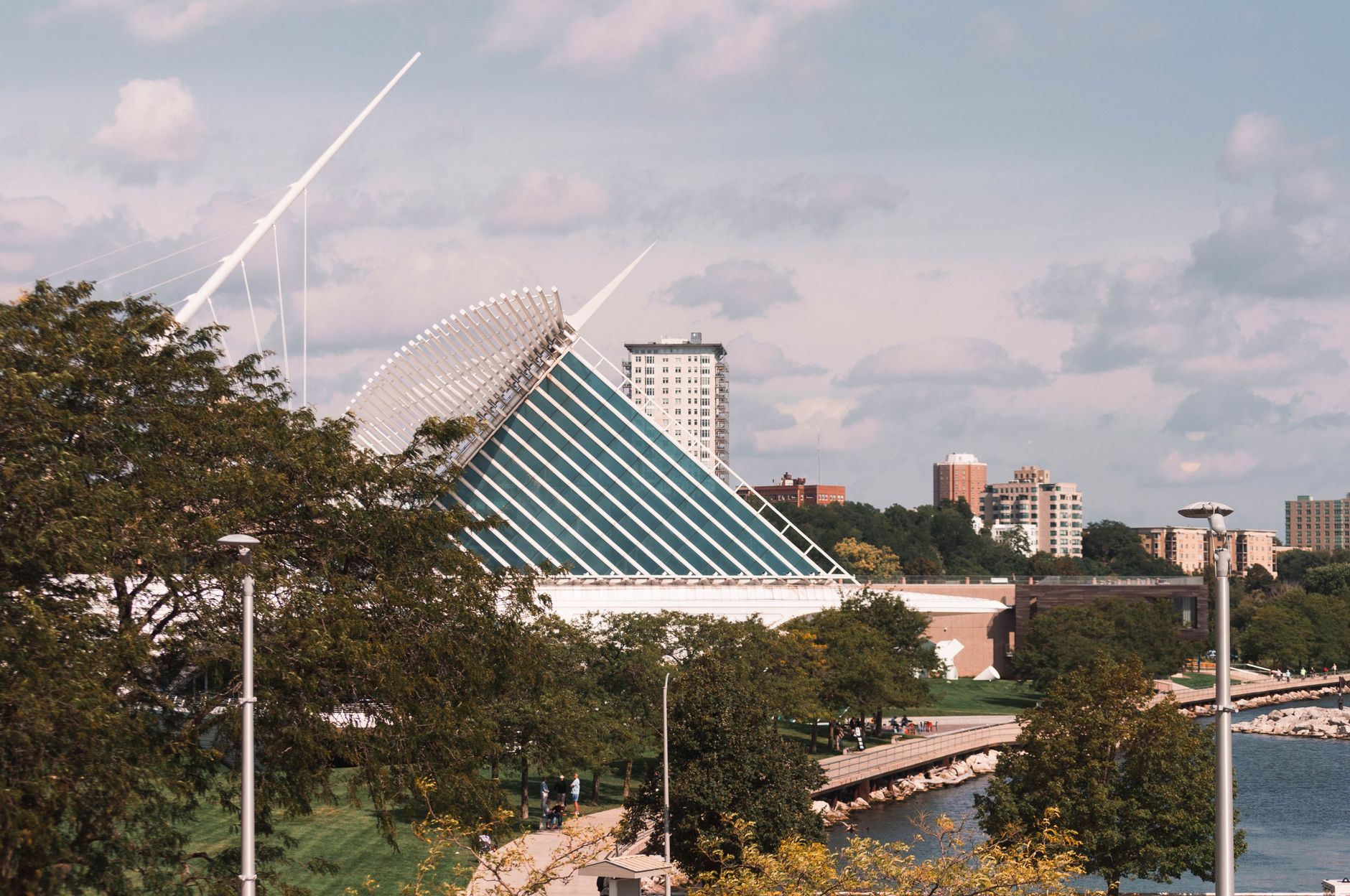
Milwaukee, Wisconsin
United States
Industrial lakeside cool anchored by serious culinary chops and effortless urban grit.
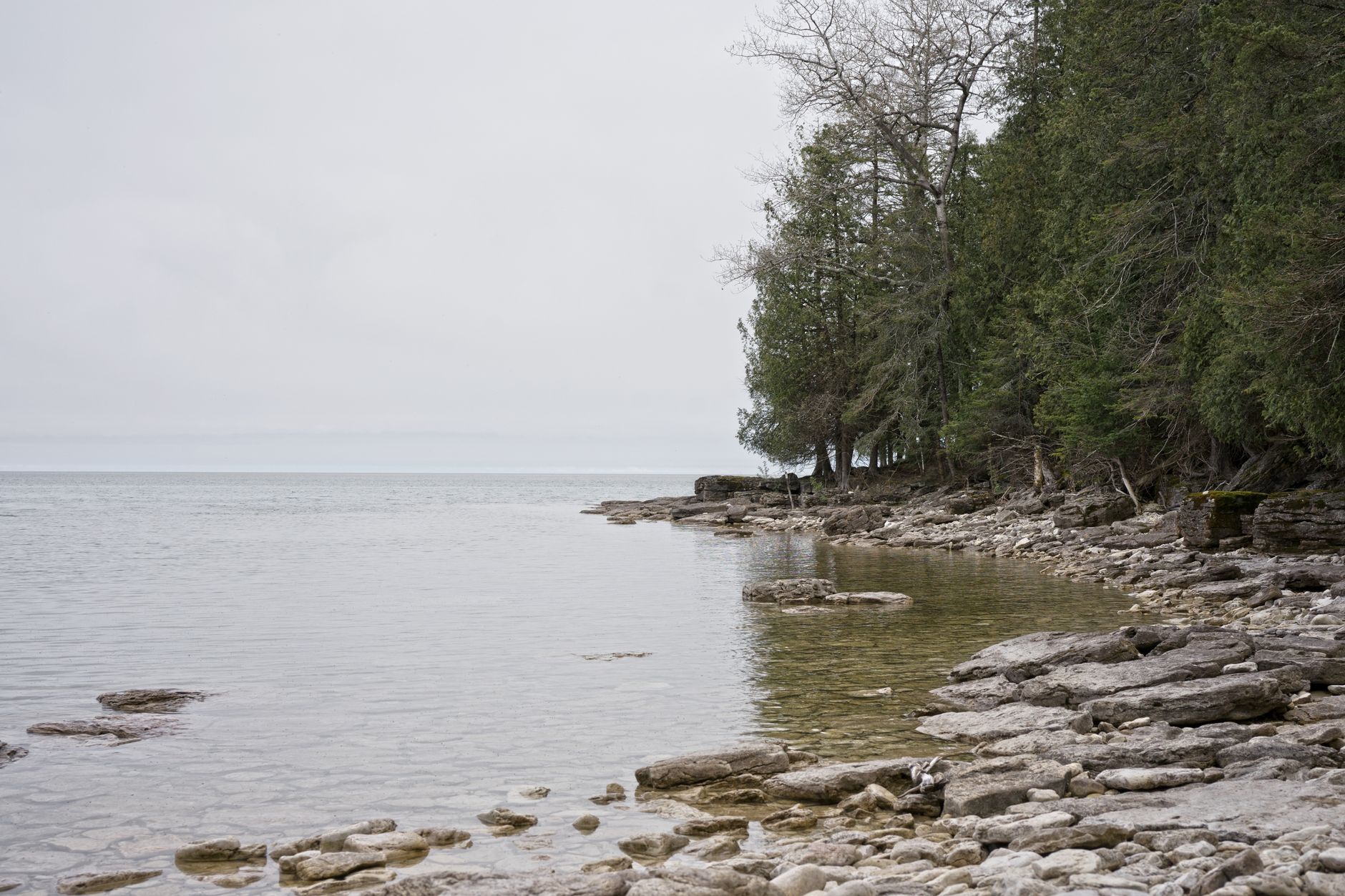
Door County, Wisconsin
United States
Limestone bluffs, heritage cherry orchards, and lakefront villages on Lake Michigan.

Traverse City, Michigan
United States
Freshwater bays, cool-climate vineyards, and windswept dunes anchored by a farm-driven culinary hub.
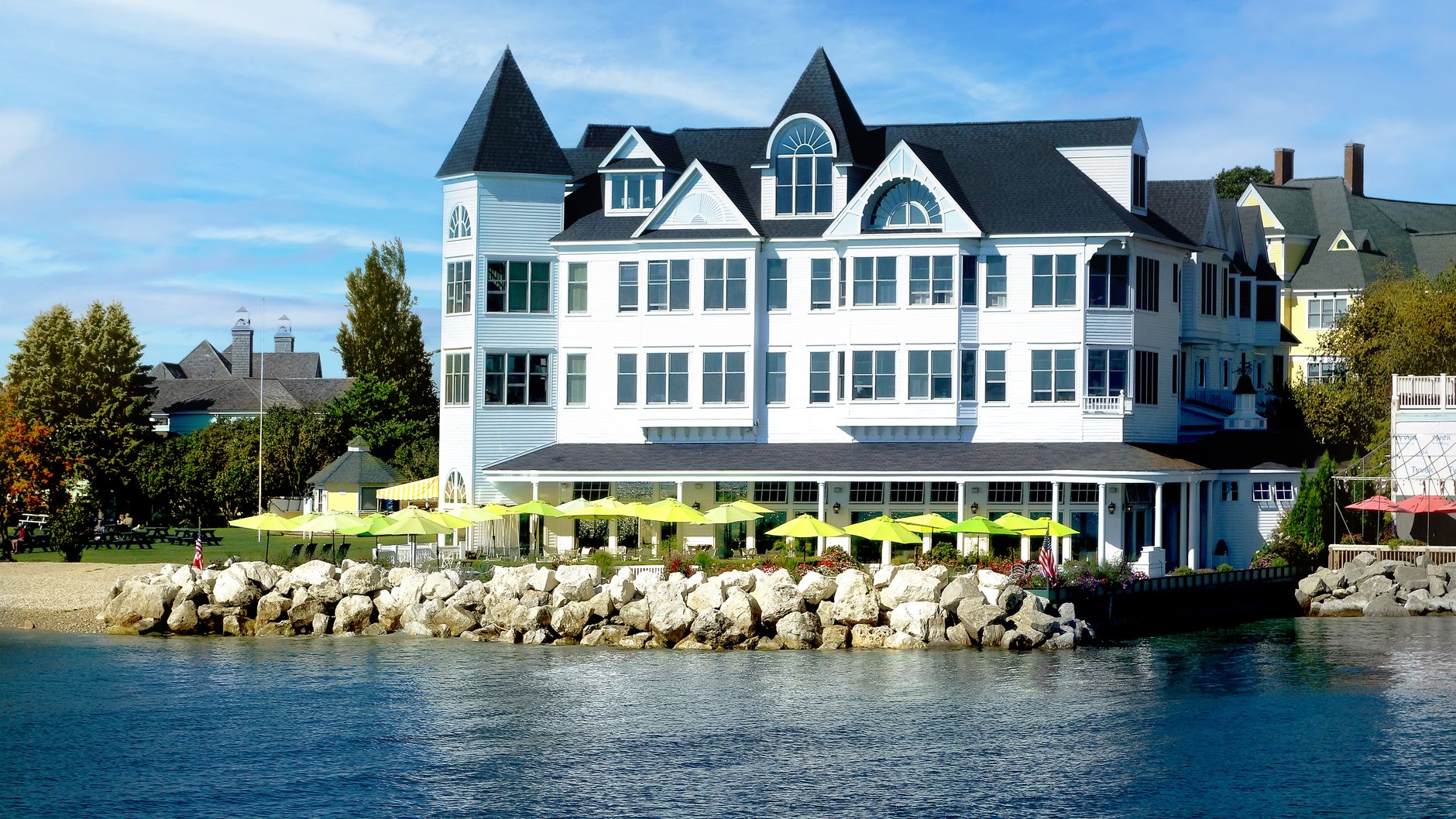
Mackinac Island, Michigan
United States
Car-free Victorian bluffs, freshwater coastlines, and horse-drawn transport

Baltimore, Maryland
United States
Industrial maritime roots, blue-collar grit, and distinct neighborhood enclaves.
Readymade itineraries
Start from a tested template — then make it yours.
Ready to book
Lock in your Asheville, North Carolina trip
Everything in one place. We may earn a small commission — it never costs you more.
Plan a trip to Asheville, North Carolina
Pick a length and we'll build a day-by-day plan around how you travel — neighborhoods clustered, budget-aware, and editable.
Get better at planning trips like this
Occasional notes on planning smarter — no spam, unsubscribe anytime.
Plan a trip to Asheville, North Carolina
Turn this guide into a day-by-day plan built around your pace, your group, and your budget.
Build my Asheville, North Carolina trip