Australia
Adelaide, South Australia
Australia's premier food, wine, and cultural capital without the east coast rush
Plan & book
Sort your Adelaide, South Australia trip in one place.
We point you to the booking tools we'd actually use — live prices, no markup. Or let us build the day-by-day plan around you first, then book.
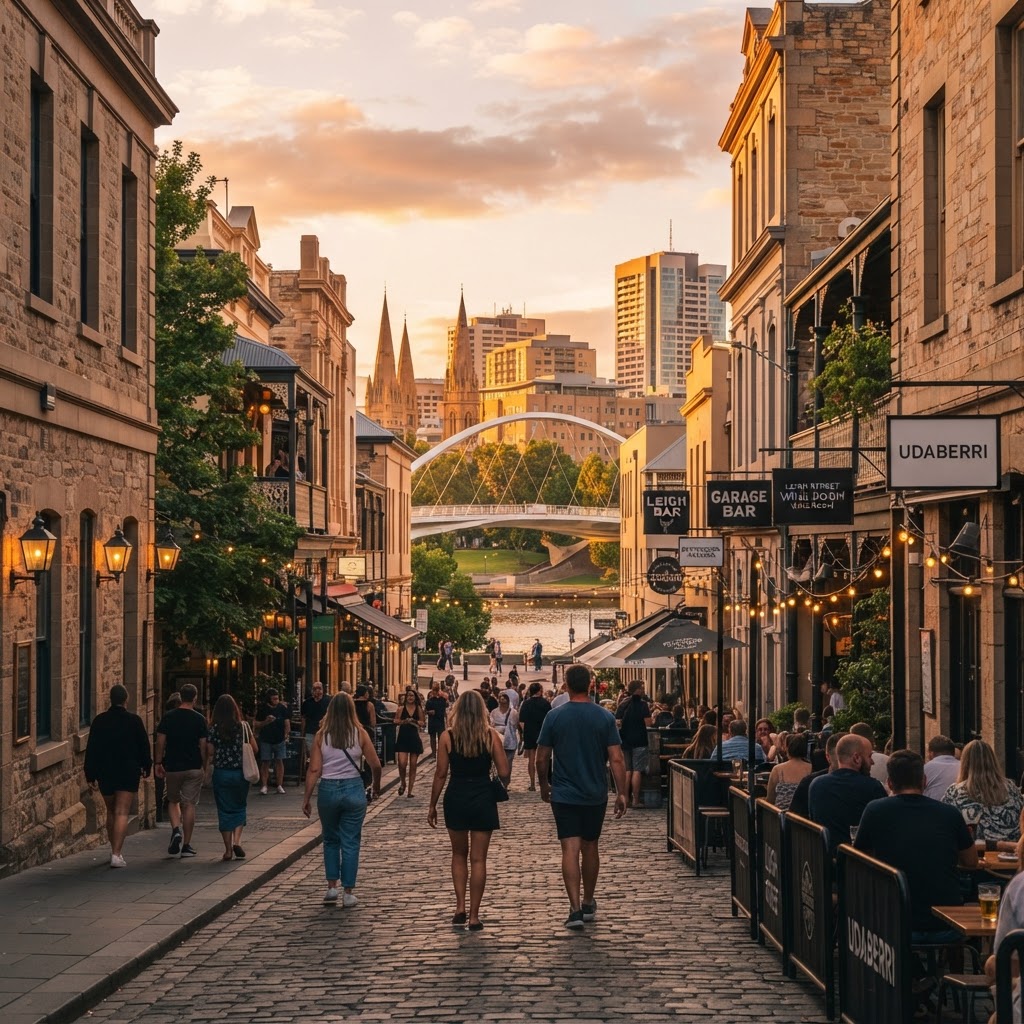
Ringed entirely by green parklands and set between the rolling Adelaide Hills and Gulf St Vincent, Adelaide delivers world-class wine, sharp culinary dining, and accessible arts within a compact, grid-planned core. Unlike Sydney or Melbourne, Adelaide trades sprawling transit chaos for effortless walkability and 45-minute access to legendary wine regions.
4 to 5 days
Best time
March to May (Autumn) or October to November (Spring).
Build your own trip with these prebuilt itineraries
Each one is a tested, day-by-day plan for Adelaide, South Australia — start here, then make it yours.
4 Days in Adelaide: Festivals, Heritage & Hills in Adelaide
Cultural immersion balancing CBD festival arts and heritage parklands with cool-climate Adelaide Hills villages
5 Days in Adelaide: The Ultimate Wine & Epicurean Trail in Adelaide
Food and wine immersion exploring Adelaide Central Market, the Adelaide Hills, Barossa, and McLaren Vale
3 Days in Adelaide: Urban Culture & Glenelg Coast in Adelaide
Car-free city highlights, vibrant market dining, and beach sunsets via tram
Adelaide is the gateway to South Australia's agricultural wealth and viticultural giants, featuring the historic stalls of Adelaide Central Market, buzzing small-bar laneways on Peel and Leigh Streets, and unpretentious coastal suburbs connected by heritage trams. It lets you combine museum-hopping on North Terrace with afternoon tastings in McLaren Vale or the Barossa Valley without burning half your day in transit.
Where to stay
Getting there
Getting around
Food & drink
What it costs
Skip it if
Skip Adelaide if you crave massive skyscraper-dominated nightlife, iconic east coast landmarks like the Sydney Opera House, or rapid multi-city transit loops without dedicating time to wine regions and slow dining.
When to go
March offers Adelaide's high-energy 'Mad March' festival and grape harvest atmosphere, but comes with inflated hotel rates. April through May delivers quieter tasting rooms, stunning autumn foliage across the Hills, and crisp, sunny days without summer heatwaves.
Peak (December to March)
Expect summer beach conditions, dry heat often exceeding 35°C (95°F), packed city hotels during Adelaide Fringe and WOMADelaide in February/March, and harvest action across the valleys. Book accommodation months ahead.
Shoulder (October to November & April to May)
The sweet spot for weather and value: mild daytime temperatures (20–25°C), blooming gardens in spring, golden vine leaves in autumn, and uncrowded cellar doors.
Low (June to August)
Cool, rainy winter days averaging 15°C; perfect for cozying up by open fires in Adelaide Hills cellar doors or coastal whale-watching south of the city, but several regional venues operate on reduced midweek schedules.
Neighborhoods
Where you stay shapes the trip. Here's how to think about it.
CBD (Central Business District)
Compact grid-locked urban core lined with heritage buildings, lively laneway dining, and green parkland borders.
Best for:First-timers, food lovers, and travelers who want walkable access to culture and free tram lines.
Don't miss:Browsing stallholders and snacking on artisan cheeses and pastries inside the historic Adelaide Central Market (open Tuesday and Thursday through Saturday).
West End
Edgy, creative urban enclave filled with cocktail bars, late-night eateries, and contemporary arts spaces.
Best for:Nightlife seekers, solo travelers, and dining enthusiasts chasing small-batch wine bars.
Don't miss:Leigh Street and Peel Street for tucked-away natural wine bars and cellar doors without leaving the city.
East End
Bohemian, leafy streetscape packed with outdoor cafés, indie boutiques, and parkland festival lawns.
Best for:Shoppers, arts lovers, and anyone visiting during the summer festival surge.
Don't miss:Grabbing breakfast along Rundle Street before strolling into the Adelaide Botanic Garden and the National Wine Centre.
North Adelaide
Stately, affluent residential quarter with grand Victorian architecture, sweeping gardens, and quiet pub courtyards.
Best for:Families, sports fans heading to Adelaide Oval, and travelers seeking relaxed, leafy stays.
Don't miss:A pre-match craft beer or hearty counter meal at the heritage-listed pubs along O'Connell and Melbourne Streets.
Glenelg
Laid-back, nostalgic seaside suburb dominated by wide sandy shores, coastal dining, and sunset-facing esplanades.
Best for:Beach lovers and families wanting coastal leisure with direct tram access to the city center.
Don't miss:Catching the vintage Glenelg Tram straight from Victoria Square all the way to Moseley Square for an afternoon swim and sunset stroll along the jetty.
Destination intelligence
Updated 9/14/2026The structured record we plan every Adelaide, South Australia itinerary from.
Walkability
High: the planned square-mile city grid and parkland ring make CBD exploration on foot exceptionally easy.
Transit quality
Moderate: excellent and free tram/bus coverage in the CBD core; commuter rail and suburban buses serve the outer metro, but regional wineries require a tour or rental car.
Car needed
No for the CBD, North Adelaide, and Glenelg beach; Yes for independent exploration of the Adelaide Hills, Barossa Valley, and McLaren Vale.
Ideal duration
4 to 5 days
Minimum useful
2 days
Peak season
December to March (warm summer beach weather, Adelaide Fringe, Adelaide Festival, and major sporting events)
Shoulder season
October to November and April to May (mild temperatures, autumn vineyard foliage, and comfortable touring weather)
Low season
June to August (cooler, wetter winter days with quieter tasting rooms across the hills)
Best for
Common mistakes
- Renting a car for city-center days where paid parking is expensive and free trams cover your route
- Failing to book restaurant tables weeks ahead for Africola, Golden Boy, or top cellar-door lunches on weekends
- Visiting in March without locking in hotels and festival tickets months in advance
- Assuming all major wine regions are close together; Barossa and McLaren Vale sit in opposite directions
Best nearby
See what a trip to Australia actually costs. Travel Budget Co.
How to plan it
- Base yourself in the CBD or East End to take full advantage of the free tram zone and walk to dinners on Peel and Leigh Streets.
- Pair Adelaide with a 2-day loop through the Adelaide Hills down into McLaren Vale, ending with a coastal dinner along Gulf St Vincent.
- Never schedule a winery marathon on your arrival day; pick up a rental car on day three after getting oriented in the city on foot.
- Time your visit so you are in town between Tuesday and Saturday morning to experience the full operational buzz of Adelaide Central Market (it is shuttered Sundays and Mondays).
- Reserve destination dining spots like Restaurant Botanic or Fugazzi 6 to 8 weeks ahead, particularly if traveling during festival season.
Questions
More in Australia

Darwin & Kakadu
Australia
Ancient sandstone floodplains, saltie territory, and balmy tropical open-air nights.
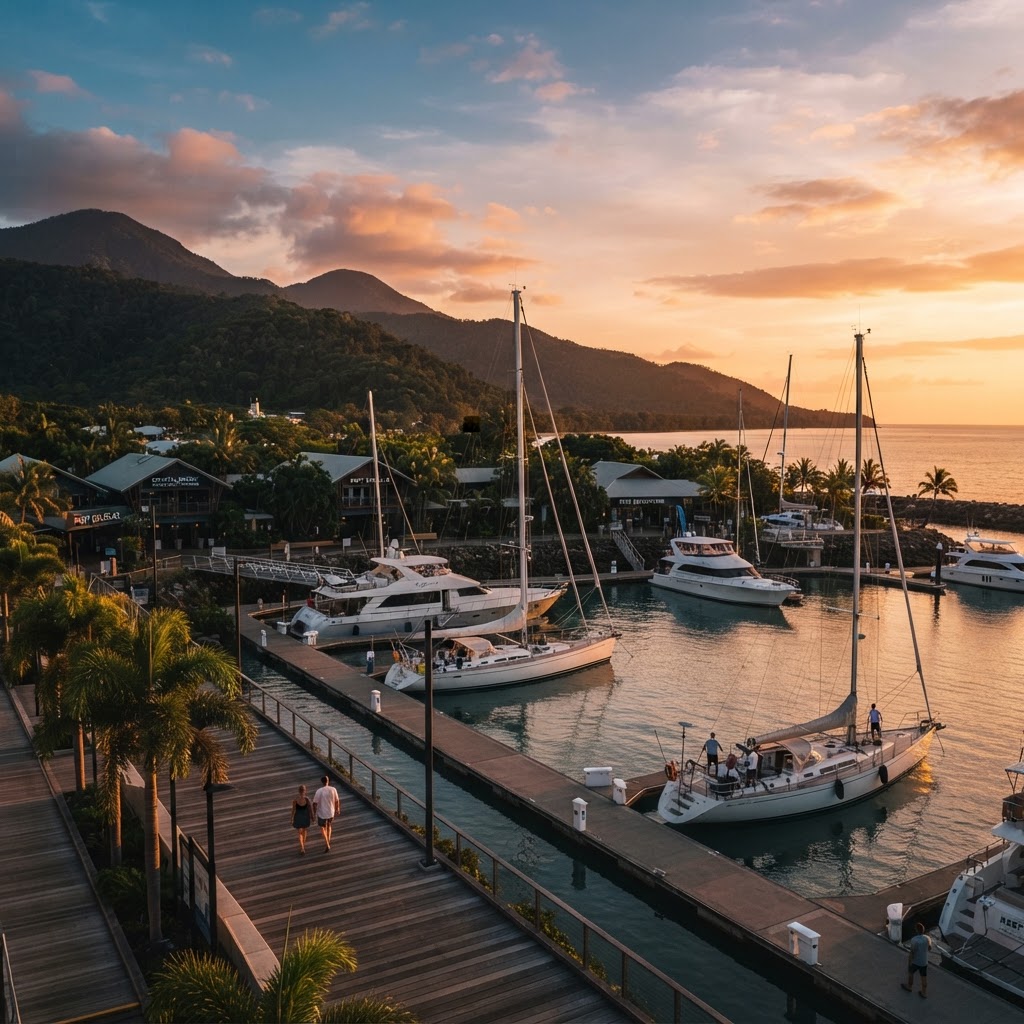
Port Douglas, Queensland
Australia
The sophisticated launchpad where the ancient Daintree meets the outer Great Barrier Reef.
Readymade itineraries
Start from a tested template — then make it yours.
Ready to book
Lock in your Adelaide, South Australia trip
Everything in one place. We may earn a small commission — it never costs you more.
Plan a trip to Adelaide, South Australia
Pick a length and we'll build a day-by-day plan around how you travel — neighborhoods clustered, budget-aware, and editable.
Get better at planning trips like this
Occasional notes on planning smarter — no spam, unsubscribe anytime.
Plan a trip to Adelaide, South Australia
Turn this guide into a day-by-day plan built around your pace, your group, and your budget.
Build my Adelaide, South Australia trip