New Zealand
Wānaka, South Island Itinerary: How Many Days + Sample Plans
The alpine outdoor capital without Queenstown's commercial chaos.
Traveler rating
Loved by independent hikers and trekkers.
Plan & book
Sort your Wānaka, South Island trip in one place.
We point you to the booking tools we'd actually use — live prices, no markup. Or let us build the day-by-day plan around you first, then book.
Pick your trip length
How many days do you need in Wānaka, South Island?
Each of these opens a full day-by-day plan you can make your own.
- 2 days — Two days — the essentials, no rushing.
- 3 days — Three days — the icons plus one neighborhood.
- 4 days — Four days — a full city without sprinting.
- 5 days — Five days — room for a day trip.
- 7 days — A week — the city at a human pace.
- With Kids trip — Shorter days, earlier dinners, what to skip.
- For Couples trip — Two-person pacing with evenings built in.
- Solo trip — A plan that works well on your own.
- Food trip — Meals and markets as the anchors.
- Outdoors trip — Nature, walks and open air.
- Culture trip — History, museums and the streets around them.
Set along the shores of Lake Wānaka beneath the jagged spine of the Southern Alps, Wānaka delivers world-class trail networks, organic cool-climate vineyards, and Mount Aspiring wilderness access without the tour-bus traffic and party queues of neighboring Queenstown. It trades tourist hype for authentic alpine town life, rewarding independent travelers who come equipped with good boots and a rental car.
4 days
Best time
March to late April for settled autumn conditions, lower visitor density, and glowing golden poplars.
Build your own trip with these prebuilt itineraries
Each one is a tested, day-by-day plan for Wānaka, South Island — start here, then make it yours.
Weekend in Wanaka
Roy's Peak sunrise or Isthmus Peak hike with Cardrona Valley exploration
3 Days in Wanaka
Mount Aspiring National Park jet boat/hike, lake paddleboarding, and local wineries
One Day in Wanaka
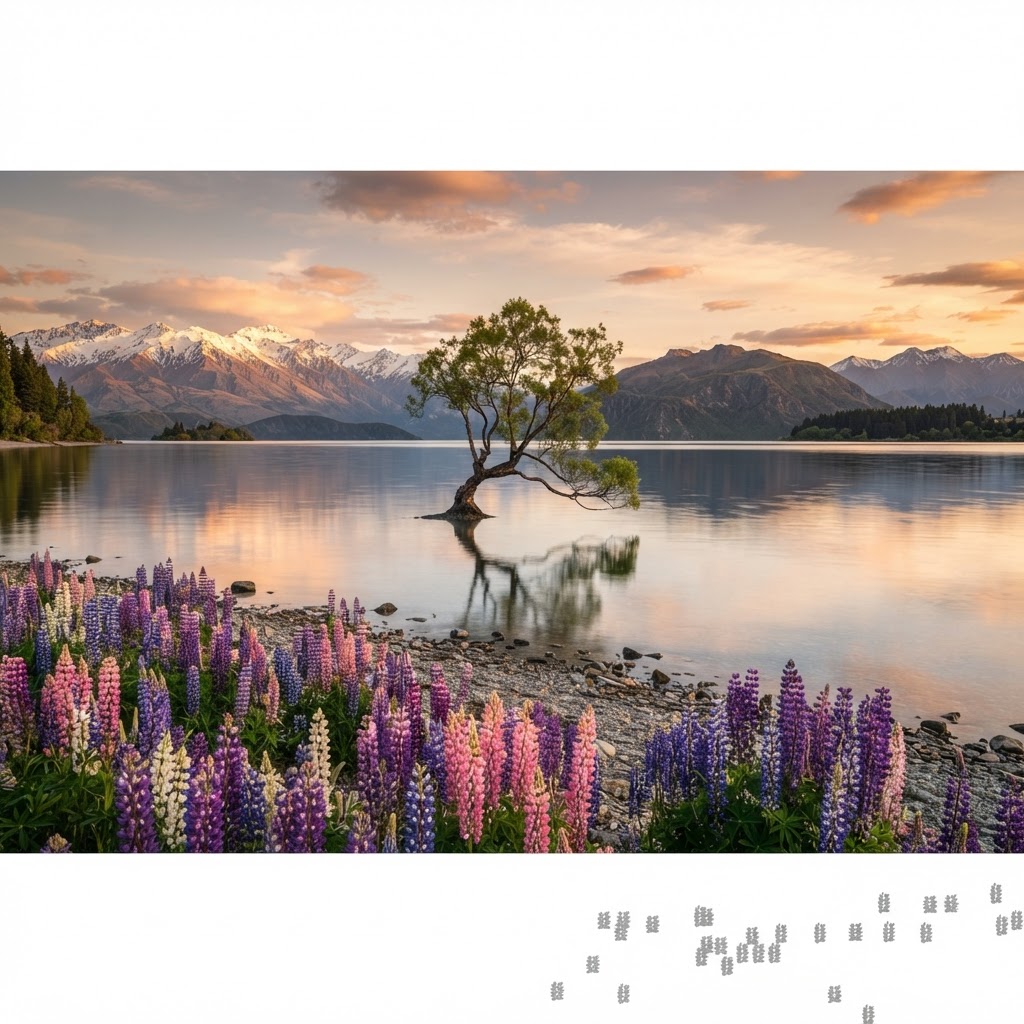
That Wanaka Tree, lakefront walking track, and lakeside craft brewery dinner
Wānaka is the premier trekking and alpine base on New Zealand's South Island. Unlike Queenstown, which centers on commercial thrill rides and package nightlife, Wānaka offers direct access to raw trailheads like Roy's Peak and Rob Roy Glacier, biodynamic wineries overlooking the lake, and expansive gravel biking routes, all wrapped in a relaxed lakeside community where parking and table bookings remain manageable.
Where to stay
Getting there
Getting around
Food & drink
What it costs
Things to do
Book tours & tickets in Wānaka, South IslandSkip it if
Skip Wānaka if your trip prioritizes late-night clubbing, international luxury brand shopping, commercial bungy jumping, or traveling strictly via public buses without renting a vehicle; Queenstown is built for that itinerary instead.
When to go
Summer brings postcard swimming weather but packs the trails and lakeshore, while mid-winter caters strictly to snowsports. Autumn delivers crisp hiking mornings, minimal wind, vacant parking lots at major trailheads, and vibrant foliage across the Otago landscape without peak accommodation rates.
Peak (December to February & July to August)
Mid-summer provides prime lake swimming and open alpine traverses, while winter fills town with skiers bound for Cardrona and Treble Cone; accommodation must be locked down three to six months ahead.
Shoulder (March to May & October to November)
Autumn offers the region's best hiking weather and stable skies; late spring unlocks wildflower blooms and quiet lakeside paths, though high alpine tracks can hold lingering winter snow.
Low (June & September)
June faces unpredictable pre-season snow and shuttered ski lifts; September sees spring thaw and muddy lower trails as ski fields wind down operations.
Neighborhoods
Where you stay shapes the trip. Here's how to think about it.
Wānaka Town Centre
Lively, walkable alpine village grid buzzing with gear shops, lakefront eateries, and bakeries.
Best for:First-time visitors who want morning coffee, dining, and lakefront evening strolls on foot.
Don't miss:Fresh sourdough pastries and flat whites at Federal Diner, tucked away down the alley off Helwick Street.
Roys Bay & Meadowstone
Tranquil, residential lakeside greenery hugging the western walking tracks.
Best for:Travelers seeking peaceful lakefront stays within a 15-minute flat walk to Ardmore Street.
Don't miss:Walking the lake edge track past that famous willow tree early in the morning before crowds arrive.
Albert Town
Laid-back riverside enclave centered on local community trails and slower living.
Best for:Budget-conscious travelers, fly anglers, and trail runners wanting river tranquility five minutes' drive out.
Don't miss:Grabbing a pie and artisanal baked goods from the Pembroke Pâtisserie on your way to the Outlet Track.
Cardrona Valley
Rugged tussock-covered mountain basin steeped in 19th-century gold rush heritage.
Best for:Skiers and snowboarders targeting Cardrona Alpine Resort or couples looking for a historic, secluded tavern retreat.
Don't miss:A pint of craft ale and local venison beside the roaring outdoor stone fireplace at the historic Cardrona Hotel.
Lake Hāwea
Pristine, wind-swept, deep-blue lake setting isolated from tourist storefronts.
Best for:Hikers targeting Isthmus Peak and anyone prioritizing dramatic, empty alpine shorelines over commercial amenities.
Don't miss:Taking an early morning plunge into the clear water followed by wood-fired heat at The Secret Sauna.
Destination intelligence
Updated 10/6/2026The structured record we plan every Wānaka, South Island itinerary from.
Walkability
Moderate; the core town center along Ardmore and Helwick Streets is flat and fully walkable, but accessing natural attractions and outer neighborhoods demands transport.
Transit quality
Low; there is no scheduled municipal bus network, leaving travelers dependent on rental vehicles, private trailhead shuttles, or bikes.
Car needed
Yes; essential for reaching national park trailheads, Lake Hāwea, and vineyard routes.
Ideal duration
4 days
Minimum useful
2 days
Peak season
December to February (summer lake life and hiking) and July to August (Cardrona and Treble Cone ski seasons).
Shoulder season
March to May (crisp autumn weather, golden poplars, low crowds) and October to November (spring alpine flowers and quiet trails).
Low season
June (pre-snow thaw) and September (end of ski season mud and transition).
Best for
Common mistakes
- Treating Wānaka as a rushed single-day trip from Queenstown rather than staying overnight
- Attempting Roy's Peak without sufficient water or wind protection on an exposed 1,200m vertical climb
- Driving the steep Crown Range pass in midwinter without carrying mandatory snow chains
- Relying on public transit instead of booking a rental car to access outer trailheads
Best nearby
See what a trip to New Zealand actually costs. Travel Budget Co.
How to plan it
- Stay within four blocks of Ardmore Street if you want evening dining and lake walks fully walkable without moving your car.
- Pair your Wānaka stay with Queenstown or the West Coast glaciers, but allocate your core hiking days to Wānaka where trail access is more direct.
- Don't try to tackle the gravel drive to the Matukituki Valley and hike Rob Roy Glacier on the same day you change bases; reserve a dedicated full day for it.
- Start Roys Peak or Isthmus Peak at dawn to avoid brutal midday sun on treeless, steep switchbacks and secure a parking spot at the trailhead.
- Book your Rippon vineyard tasting slot online before departing home if you want a lakeside table with views over Ruby Island.
Questions
Readymade itineraries
Start from a tested template — then make it yours.
Ready to book
Lock in your Wānaka, South Island trip
Everything in one place. We may earn a small commission — it never costs you more.
Plan a trip to Wānaka, South Island
Pick a length and we'll build a day-by-day plan around how you travel — neighborhoods clustered, budget-aware, and editable.
Get better at planning trips like this
Occasional notes on planning smarter — no spam, unsubscribe anytime.
Plan a trip to Wānaka, South Island
Turn this guide into a day-by-day plan built around your pace, your group, and your budget.
Build my Wānaka, South Island trip