
Georgia
Tbilisi Itinerary: How Many Days + Sample Plans
Tbilisi is the Caucasus rising — wine older than France, sulfur baths, and a food culture that astonishes.
Traveler rating
Loved by food lovers.
Plan & book
Sort your Tbilisi trip in one place.
We point you to the booking tools we'd actually use — live prices, no markup. Or let us build the day-by-day plan around you first, then book.
Pick your trip length
How many days do you need in Tbilisi?
Each of these opens a full day-by-day plan you can make your own.
- 2 days — Two days — the essentials, no rushing.
- 3 days — Three days — the icons plus one neighborhood.
- 4 days — Four days — a full city without sprinting.
- 5 days — Five days — room for a day trip.
- 7 days — A week — the city at a human pace.
- With Kids trip — Shorter days, earlier dinners, what to skip.
- For Couples trip — Two-person pacing with evenings built in.
- Solo trip — A plan that works well on your own.
- Food trip — Meals and markets as the anchors.
- Outdoors trip — Nature, walks and open air.
- Culture trip — History, museums and the streets around them.
Tbilisi is Georgia's affordable, charming capital — an old town of balconies and sulfur baths, churchkhela in the markets, and a wine tradition 8,000 years old. Eat khinkali and khachapuri, soak in a bath, and take the cable car to the fortress. One of the great value cities right now.
2–3 days
Best time
May to June and September to mid-October provide crisp air, comfortable walking temperatures, and peak seasonal produce.
Budget
USD 25–60 equivalent per person per day at mid-range. Outstanding value.
Build your own trip with these prebuilt itineraries
Each one is a tested, day-by-day plan for Tbilisi — start here, then make it yours.
Tbilisi balances deep antiquity and raw reinvention like nowhere else in the Caucasus. Within a single day, you can step inside a 6th-century basilica, taste unfiltered amber wine made in underground clay qvevri, soak in natural hot springs beneath Persian-style domes, and spend the evening at an avant-garde cocktail bar in a repurposed textile mill. It delivers world-class dining, layered history, and unmatched hospitality at a fraction of Western European prices.
Where to stay
Getting there
Getting around
Food & drink
What it costs
Things to do
Book tours & tickets in TbilisiSkip it if
Skip it if you demand pristine, manicured sidewalks, seamless step-free accessibility, or strict pedestrian infrastructure; Tbilisi's steep hills, broken pavements, and smoking-friendly culture can frustrate travelers with limited mobility or respiratory issues.
When to go
Midsummer (July–August) frequently exceeds 38°C (100°F) in Tbilisi's low river bowl, making afternoon sightseeing stifling and driving locals to the mountains. Spring brings hillside greenery and mild patio weather, while autumn aligns with 'Rtveli' (grape harvest season) and ideal vineyard day trips.
Shoulder (May–Jun & Sep–Oct)
Pleasant 20–26°C days, dry walking weather, outdoor terrace dining, and harvest festivities in nearby Kakheti.
Peak Summer (Jul–Aug)
Hot, humid, and slow; sulfur baths feel excessive, mid-afternoon walks drain energy quickly, though rooftop bars stay lively after dark.
Low Season (Nov–Apr)
Cold, grey, and breezy with occasional light snow, but hotels drop rates significantly and the sulfur baths are at their absolute coziest.
Neighborhoods
Where you stay shapes the trip. Here's how to think about it.
Old Tbilisi (Dzveli Tbilisi & Abanotubani)
Carved wooden balconies, winding cobblestones, and the distinct sulfur steam of the ancient thermal bath district.
Best for:First-time visitors who prioritize stepping straight out their hotel door into historic sites.
Don't miss:Booking a private bath suite at Gulo's Thermal Spa or Chreli Abano, followed by a walk through Leghvtakhevi gorge.
Sololaki
Faded Art Nouveau mansions, leafy courtyards, quiet residential alleys, and independent natural wine dens.
Best for:Architectural buffs, couples, and food lovers seeking a low-key base within walking distance of central hubs.
Don't miss:Peeking inside crumbling communal entry halls along Asatiani Street and an amber wine tasting at Vino Underground.
Vera & Mtatsminda
Steep hillside streets, heritage bohemian townhouses, contemporary concept stores, and sweeping city overlooks.
Best for:Travelers who do not mind uphill climbs in exchange for quieter nights, neighborhood bakeries, and design boutique hotels.
Don't miss:Taking the 1905 funicular up to Mtatsminda Park for panoramic vistas and legendary cream-filled ponchiki at the Funicular Restaurant.
Chugureti (Marjanishvili / Fabrika Area)
Left-bank post-industrial creative energy meets 19th-century German colonial architecture along Aghmashenebeli Avenue.
Best for:Younger travelers, remote workers, nightlife seekers, and budget boutique hotel hunters.
Don't miss:Grabbing draft beer or natural cider in the graffiti-covered courtyard of Fabrika, a converted Soviet sewing factory.
Vake
Polished, upscale avenue living with diplomat residences, upscale wine bars, specialty roasters, and lush city parks.
Best for:Longer stays, families, and repeat visitors who want calm streets away from tour groups and don't mind relying on taxis.
Don't miss:Riding the retro ropeway cable car from Vake Park up to the open-air cafés ringing Turtle Lake (Kus Tba).
Money & essentials
Currency
Georgian lari (GEL). Cards common; carry cash for markets.
Language
Georgian. English common with younger people.
Safety
Very high safety profile with exceptionally low violent street crime; keep basic awareness regarding uneven walking pavements, fast drivers, and occasional petty pickpocketing in crowded bazaars.
Budget range
USD 25–60 equivalent per person per day at mid-range. Outstanding value.
Tipping
Service charges of 10%–18% are often included on restaurant receipts; if service was good, leaving an additional 5%–10% in cash directly for the server is customary.
See what a trip to Georgia actually costs. Travel Budget Co.
How to plan it
- Cluster your days by riverbank: do Old Town, Sololaki, and Mtatsminda on one day; save Chugureti, Marjanishvili, and Avlabari for another to avoid wasting time battling cross-river traffic.
- Pair a 3-day Tbilisi stay with a 2-day side trip to the Kakheti wine region (Sighnaghi/Telavi) or an overnight run up the Georgian Military Highway to Kazbegi.
- Do not try to combine a full day of climbing Narikala and Mtatsminda with an afternoon sulfur bath; schedule your sulfur bath soak for 6:00 PM or later when your walking is finished.
- Book your sulfur bath room at Chreli Abano or Gulo's at least one week in advance if you want prime evening hours on Friday through Sunday.
- Download the Bolt app and purchase a physical or digital transit card (Travel Card) before leaving your hotel on day one; hail-and-ride street taxis overcharge foreigners without meters.
Questions
More in Georgia
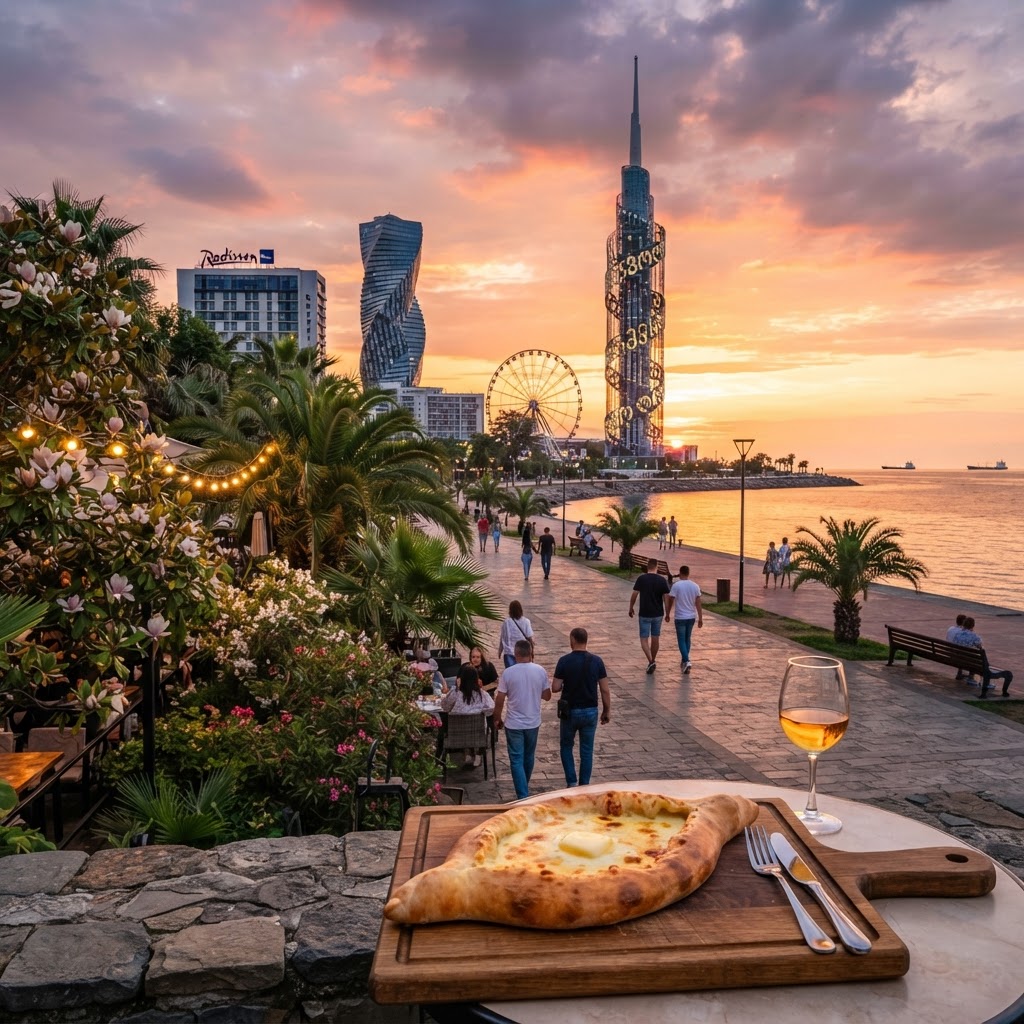
Batumi, Georgia
Georgia
Black Sea surrealism meets subtropical botanical grandeur and boat-shaped khachapuri.
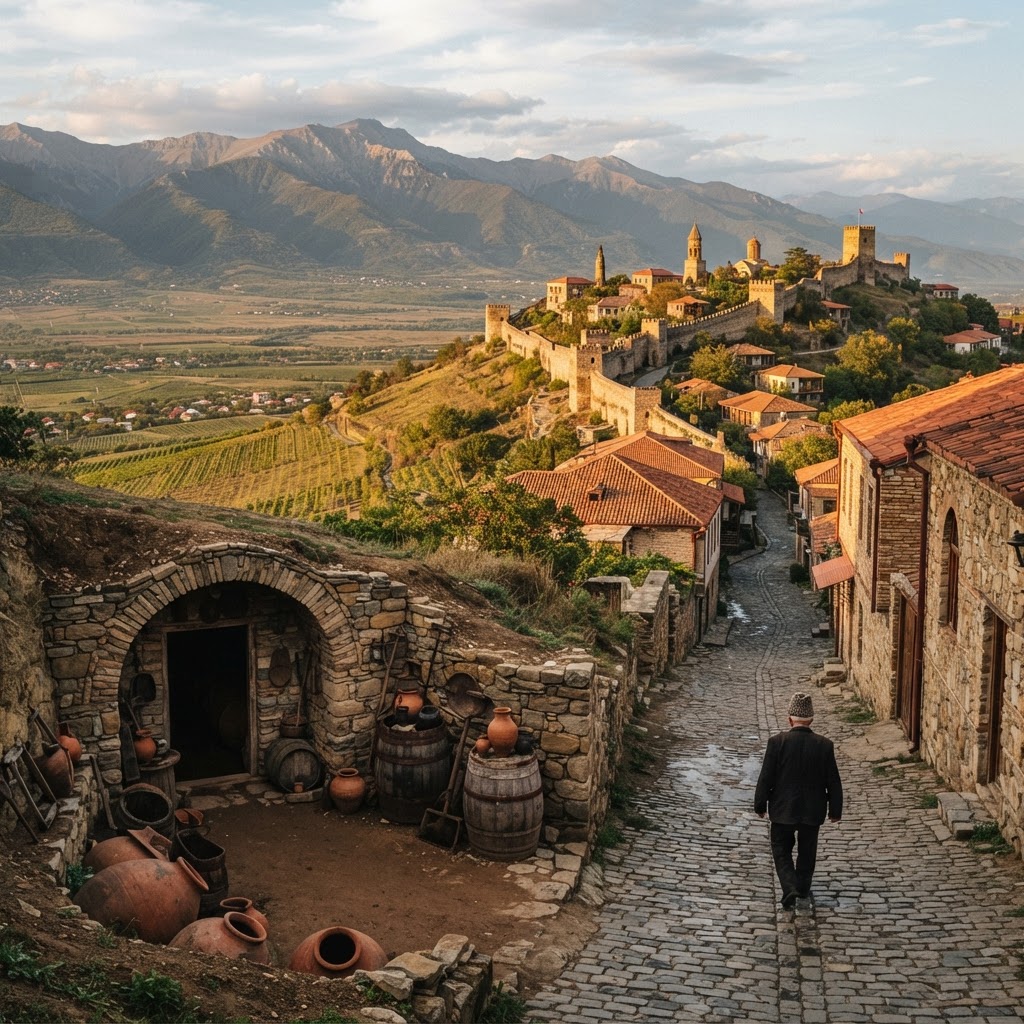
Kakheti, Georgia
Georgia
Ancient qvevri wine cellars and walled mountain towns in the cradle of viticulture
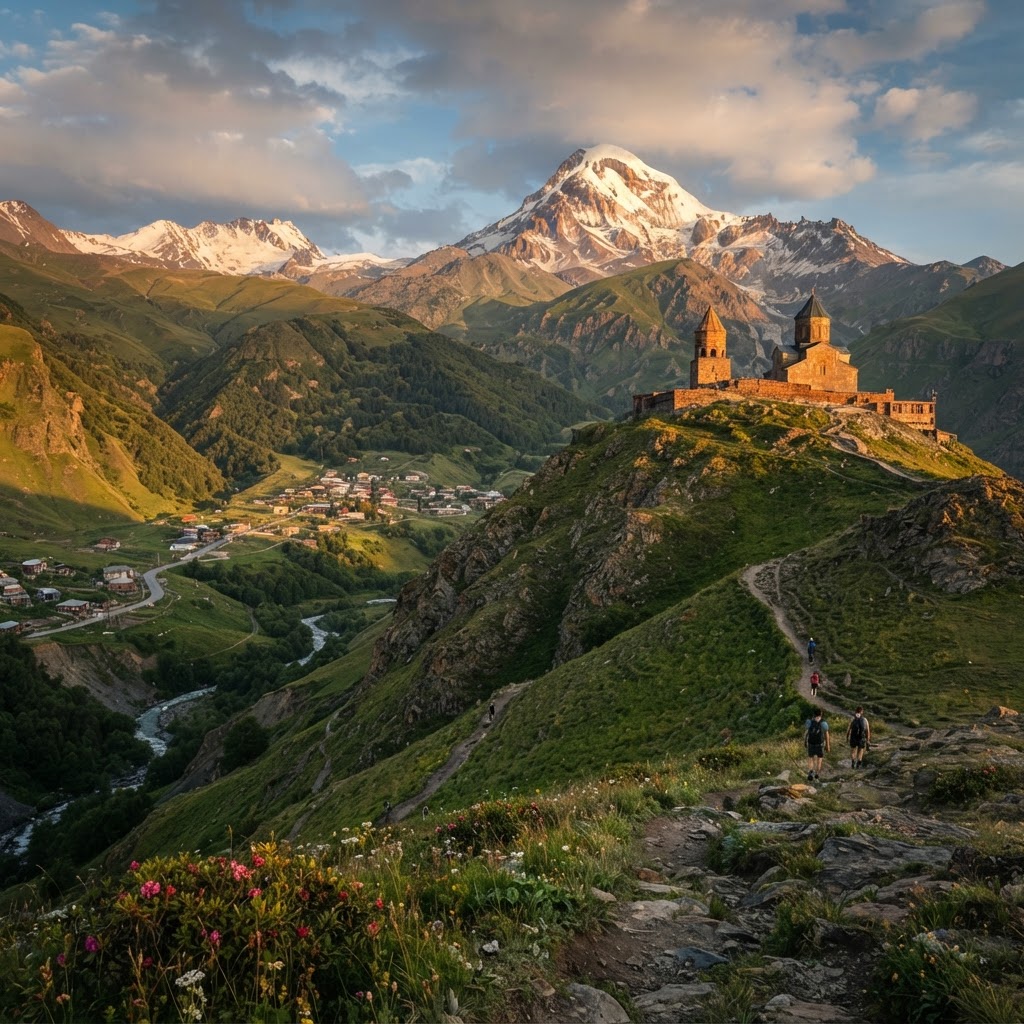
Kazbegi (Stepantsminda), Georgia
Georgia
Dramatic Greater Caucasus peaks, cliffside alpine monasteries, and legendary hiking valleys within striking distance of Tbilisi.
Readymade itineraries
Start from a tested template — then make it yours.
Ready to book
Lock in your Tbilisi trip
Everything in one place. We may earn a small commission — it never costs you more.
Plan a trip to Tbilisi
Pick a length and we'll build a day-by-day plan around how you travel — neighborhoods clustered, budget-aware, and editable.
Get better at planning trips like this
Occasional notes on planning smarter — no spam, unsubscribe anytime.
Plan a trip to Tbilisi
Turn this guide into a day-by-day plan built around your pace, your group, and your budget.
Build my Tbilisi trip