Colombia
San Andrés, Colombia
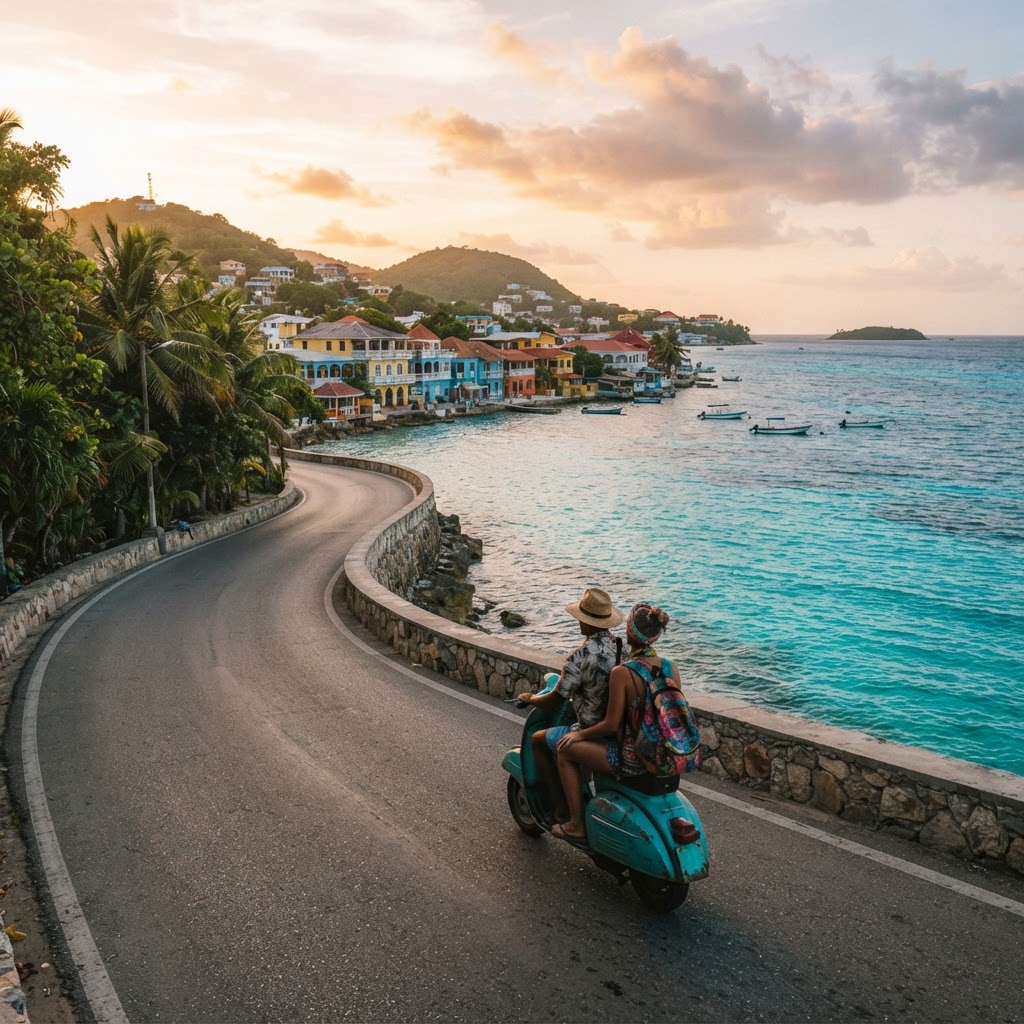
Colombia’s English-Creole archipelago of luminous seven-colored seas and breezy open-air moped loops.
Plan & book
Sort your San Andrés, Colombia trip in one place.
We point you to the booking tools we'd actually use — live prices, no markup. Or let us build the day-by-day plan around you first, then book.
Perched far out in the western Caribbean off the coast of Nicaragua, the coral island of San Andrés offers an entirely distinct cultural and ecological identity within Colombia. Famed for its hypnotic 'Sea of Seven Colors,' Afro-Caribbean Raizal culture, and warm barrier reefs, it balances duty-free holiday bustle on its northern tip with untamed, coconut-lined coastlines along its southern shores.
4 days
Best time
February through April for optimal water clarity, minimal rain, and the best balance between crowds and room rates.
Build your own trip with these prebuilt itineraries
Each one is a tested, day-by-day plan for San Andrés, Colombia — start here, then make it yours.
5 Days in San Andrés: Slow Pace & Raizal Heritage in San Andrés
Relaxed cultural and coastal exploration beyond El Centro, staying near quiet San Luis beaches with independent moped exploration
3 Days in San Andrés: Sea of Seven Colors Diving & Snorkeling in San Andrés
Reef and marine life focus targeting offshore drop-offs, underwater limestone shelves, and early morning cay boat trips
4 Days in San Andrés: The Essential Island Loop in San Andrés
First-time highlights featuring morning cay excursions, buggy road-tripping around the perimeter road, and classic Caribbean reefs
Go for world-class clarity in turquoise waters, accessible barrier reef snorkeling, and the freedom of circling an entire Caribbean island via open-air buggy in an afternoon. Beyond its powdery white sands, San Andrés immerses you in authentic Raizal music, English-Creole heritage, and marine reserves teeming with rays and tropical fish.
Where to stay
Getting there
Getting around
Food & drink
What it costs
Things to do
Book tours & tickets in San Andrés, ColombiaSkip it if
Skip San Andrés if you demand tranquil, undeveloped, castaway-style luxury or completely pristine wild shores; the island has heavy domestic tourism, jet-ski traffic in urban bays, and weathered mid-century infrastructure. If total untouched peace is your goal, take the hopper flight directly onward to neighboring Isla de Providencia instead.
When to go
The island faces heavy, surge-priced domestic holiday influxes from mid-December to January and during Easter week. Late winter through early spring avoids these holiday surges while maintaining calm sea conditions and top-tier scuba visibility before mid-year rainfall picks up.
Peak (Mid-Dec–Jan, Semana Santa, Mid-Jun–Jul)
Bright skies, packed beaches, and hotel rates marked up heavily due to massive waves of Colombian holiday travel.
Shoulder (Feb–Apr & Aug)
Sweet spot of lower foot traffic, steady trade winds, excellent diving visibility, and dry sunny days outside the holiday rush.
Low (Sep–Nov)
Caribbean squalls, humid passing showers, and hurricane-season chop; best rates on lodging, but sea conditions can cancel boat transfers to Johnny Cay or Providencia.
Neighborhoods
Where you stay shapes the trip. Here's how to think about it.
North End (El Centro & Spratt Bight)
Commercial duty-free hustle meets crowded, turquoise town beaches and evening promenade energy.
Best for:First-timers, travelers without independent wheels, and anyone wanting late-night dining within walking distance.
Don't miss:Watching passenger planes come in low directly over Spratt Bight beach while grabbing an evening coco loco on the Malecón.
San Luis
Traditional Raizal coastal village living with wooden clapboard homes, roadside fish shacks, and rolling Caribbean waves.
Best for:Travelers seeking laid-back beach time away from concrete high-rises, cultural immersion, and peaceful mornings.
Don't miss:The relaxed open shoreline at Sound Bay, followed by freshly caught snapper and coconut rice served under the palms.
La Loma
Sleepy, lush ridge community steeped in traditional island heritage, breezy panoramic lookouts, and historic churches.
Best for:Curious explorers, cultural travelers wanting to escape the coast, and anyone looking for native inn homestays.
Don't miss:The historic First Baptist Church bell tower for a commanding panoramic vantage over the barrier reef and island spine.
South End & El Cove
Rugged, wave-battered limestone cliffs, scuba boat launch points, and quiet open-ocean roads.
Best for:Scuba divers, snorkelers targeting deep shelf drop-offs, and travelers eager to avoid crowded town beaches.
Don't miss:A marine swim stop along the rocky western shelf near El Cove followed by checking sea conditions at the natural blowhole, El Hoyo Soplador.
Destination intelligence
Updated 9/14/2026The structured record we plan every San Andrés, Colombia itinerary from.
Walkability
Moderate within El Centro and Spratt Bight where shops, beaches, and dining are tightly clustered on flat sidewalks. Outside the northern strip, the island is completely unwalkable and requires a golf cart, scooter, taxi, or public bus.
Transit quality
Basic. Local buses reliably traverse the perimeter ring road connecting El Centro to San Luis and South End, but lack strict schedules or air conditioning.
Car needed
Not a standard rental car, but a golf cart, buggy, or scooter rental is strongly recommended for at least one full day to explore the island on your own terms.
Ideal duration
4 days
Minimum useful
2 days
Peak season
Mid-December through January, Semana Santa (Easter week), and mid-June to July, bringing dry sunny weather alongside massive waves of Colombian holiday crowds and surge pricing.
Shoulder season
February to April and August, offering long stretches of sunshine, calmer crowds, and ideal conditions for reef diving and sailing.
Low season
September through November, characterized by tropical Caribbean showers, occasional passing squalls, fewer tourists, and the lowest accommodation rates.
Best for
Common mistakes
- Failing to purchase the mandatory tourist card (Tarjeta de Turismo) at your departure airport on the mainland before reaching your boarding gate.
- Drinking tap water—San Andrés relies on municipal desalination and well reserves, meaning tap water is non-potable; stick strictly to bottled or filtered water.
- Staying exclusively trapped in El Centro, which gives a busy, duty-free shopping mall impression rather than an authentic Caribbean island feel.
- Booking Johnny Cay or boat shuttles during weekend mid-day hours when party boats overwhelm the sandbars; always go on the first morning departure.
- Forgetting hard-soled water shoes; limestone shelves, rocky entries, and sea urchins make bare-foot wading painful around Rocky Cay and West View.
Best nearby
See what a trip to Colombia actually costs. Travel Budget Co.
How to plan it
- Stay in North End (El Centro) if you want to walk to dinner and tours without renting wheels, but stay in San Luis if you demand quiet mornings and authentic island pace over nightlife.
- Reserve your golf cart or buggy rental a day ahead during high season and hit the perimeter loop counter-clockwise by 8:30 AM to beat the mid-day rental pack to West View and Sound Bay.
- Visit Johnny Cay and Acuario on the earliest morning departure (around 9:00 AM) and depart by lunchtime before crowded tour-boat flotillas arrive and shallow reefs get stirred up.
- Do not book offshore boat excursions on your arrival day; afternoon Caribbean trade winds and localized squalls frequently close the harbor master's port approvals on short notice.
- If pairing San Andrés with Providencia, schedule at least two flexible nights on San Andrés at the end of the trip to ensure choppy sea conditions don't cause you to miss your mainland connection.
Questions
Readymade itineraries
Start from a tested template — then make it yours.
Ready to book
Lock in your San Andrés, Colombia trip
Everything in one place. We may earn a small commission — it never costs you more.
Plan a trip to San Andrés, Colombia
Pick a length and we'll build a day-by-day plan around how you travel — neighborhoods clustered, budget-aware, and editable.
Get better at planning trips like this
Occasional notes on planning smarter — no spam, unsubscribe anytime.
Plan a trip to San Andrés, Colombia
Turn this guide into a day-by-day plan built around your pace, your group, and your budget.
Build my San Andrés, Colombia trip