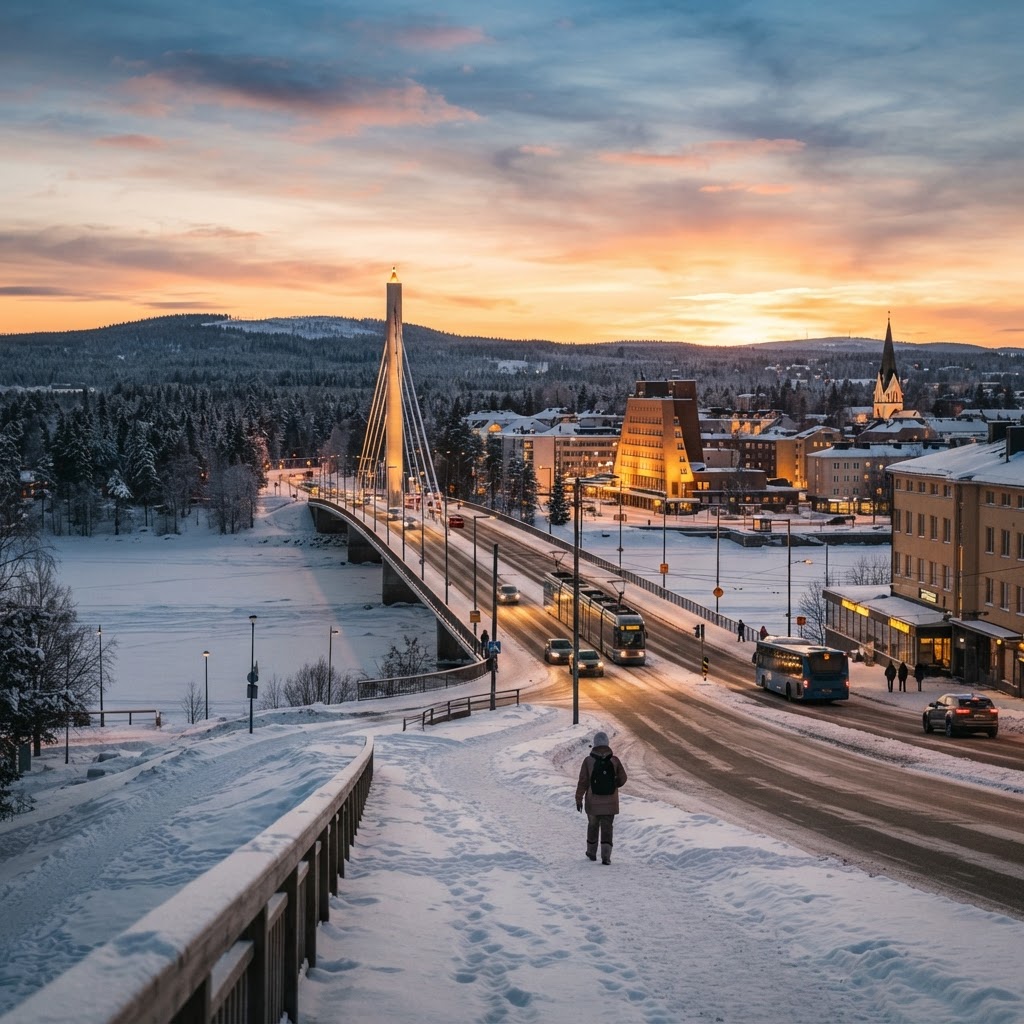
Finland
Rovaniemi, Finland
The functional Arctic crossroads where urban Finnish design meets deep taiga wilderness
Plan & book
Sort your Rovaniemi, Finland trip in one place.
We point you to the booking tools we'd actually use — live prices, no markup. Or let us build the day-by-day plan around you first, then book.
Rovaniemi is Finnish Lapland's logistics engine and cultural capital, rebuilt from the ashes of World War II along Alvar Aalto's reindeer-antler street grid. Straddling the 66°33′N parallel, it combines world-class architecture and Arctic research hubs with immediate access to pine taiga, frozen waterways, and sub-zero outdoor pursuits. While widely branded as the home of Santa Claus, the city's true caliber lies in its seamless gateway infrastructure, allowing travelers to toggle between sophisticated Nordic culinary spaces and remote wilderness expeditions within minutes.
4 to 5 days
Best time
February to mid-March for optimal winter activities, or late September for autumn foliage and auroras.
Build your own trip with these prebuilt itineraries
Each one is a tested, day-by-day plan for Rovaniemi, Finland — start here, then make it yours.
5 Days in Rovaniemi: Deep Lapland, Culture & Aalto Architecture in Rovaniemi
A slower-paced deep dive exploring Alvar Aalto's post-war civic design, Arktikum museum, authentic Sámi heritage, and pristine wilderness trails
3 Days in Rovaniemi: Winter Highlights & Holiday Magic in Rovaniemi
Family-friendly introduction focused on Santa Claus Village, reindeer sleigh rides, and compact downtown culture
4 Days in Rovaniemi: Arctic Adventure & Northern Lights Chase in Rovaniemi
Outdoor thrill-seeker pacing with snowmobiling, husky mushing, wilderness sauna dips, and dedicated aurora hunting
Go for frictionless access to Arctic adventure paired with authentic modern Nordic design and culinary excellence. Rovaniemi provides direct overnight rail connections from Helsinki and an international airport just 10 minutes from town, eliminating the extreme isolation typical of sub-polar travel. It delivers genuine Sami cultural context at Arktikum, frozen canyon hikes at Korouoma, and prime aurora terrain, all while allowing you to retreat to modern design saunas and curated Arctic cuisine at night.
Where to stay
Getting there
Getting around
Food & drink
What it costs
Things to do
Book tours & tickets in Rovaniemi, FinlandSkip it if
Skip Rovaniemi if you want untouched, silent wilderness with zero commercial footprint; pure nature purists should bypass the city for remote villages like Äkäslompolo, Kilpisjärvi, or Inari. Likewise, travelers on tight shoestring budgets will find the winter activity prices and inflated peak accommodation rates prohibitive.
When to go
December offers peak holiday fanfare but suffers from extreme room markups, short daylight (2-3 hours), and massive crowds. February delivers reliable thick snowpack, 7-10 hours of daylight, prime aurora visibility, and far more operational breathing room.
Winter Peak (December–Early January)
Maximum festive atmosphere and deep polar twilight, but hotel rates triple and activities sell out months ahead; expect heavy lines at Santa Claus Village.
Late Winter (February–March)
The true sweet spot for outdoor pursuits; crisp sub-zero conditions, frozen lakes, thick snow cover, clear skies for auroras, and longer daylight hours.
Spring Thaw & Early Summer (April–June)
Mud season takes over in late April and May as snow melts into slush; many safari operators close before the midnight sun season ramps up in late June.
Autumn / Ruska (September–October)
Foliage turns vivid rust and gold across the taiga, night skies turn dark enough for northern lights without sub-zero temperatures, and prices drop substantially.
Neighborhoods
Where you stay shapes the trip. Here's how to think about it.
Keskusta (City Center)
Compact civic grid planned by Alvar Aalto, where functional brutalism meets cozy Nordic dining and tour logistics hubs.
Best for:First-timers, independent diners, architecture enthusiasts, and car-free travelers.
Don't miss:Dinner at Gustav Kitchen & Bar on Koskikatu, followed by a walk past Aalto's Town Hall complex to the glass-tunneled Arktikum museum.
Ounasvaara
A quiet pine-covered winter fell directly across the Kemijoki river, dominated by ski slopes, walking trails, and elevated lodges.
Best for:Outdoor active travelers, cross-country skiers, and couples looking for scenic quiet without leaving the city boundary.
Don't miss:Taking the panoramic trail to the Ounasvaara observation tower for sweeping views over frozen river junctions, followed by coffee at Sky Kitchen & View.
Pöykkölä & Kemijoki Riverfront
Low-slung riverside residential district preserving pre-war wooden homesteads and tranquil pine trails.
Best for:History seekers, slow travelers, and anyone wanting a serene residential feel away from downtown neon.
Don't miss:The Rovaniemi Local History Museum (Pöykkölä), showcasing authentic 19th-century timber farmsteads that survived the 1944 destruction of the city.
Arctic Circle & Pajakylä (Santa Claus Village area)
High-octane holiday commercial campus 8 kilometers north of the center, packed with log chalets, souvenir halls, and organized safari corrals.
Best for:Families traveling with young children and travelers seeking glass-igloo style luxury without remote transfers.
Don't miss:Catching fresh open-fire charred salmon at Santa's Salmon Place before escaping the tour bus crowds into the adjacent forest trails.
Destination intelligence
Updated 9/14/2026The structured record we plan every Rovaniemi, Finland itinerary from.
Walkability
High in the compact city center, where restaurants, museums, and hotels cluster within a 15-minute radius; low outside the center where icy distances require buses, taxis, or organized safari transport.
Transit quality
Moderate. Urban bus route 8 easily connects the city center, airport, and Santa Claus Village, but rural exploration and deep wilderness trailheads require specialized tour transit.
Car needed
Not required. Most safari operators provide heated van transfers from downtown hotels, and winter road conditions demand specialized studded-tire driving skills best left to locals.
Ideal duration
4 to 5 days
Minimum useful
3 days
Peak season
December through early January for holiday tourism; February through March for peak snow sports, longer daylight hours, and prime aurora visibility.
Shoulder season
September to October for 'ruska' (autumn foliage) and dark aurora-viewing skies without freezing sub-zero cold; April for sunny spring skiing.
Low season
May to June during the spring thaw and mud season, as well as late autumn (November) before the heavy snow cover consolidates.
Best for
Common mistakes
- Booking December expecting guaranteed heavy snowfall and clear skies, when late January through March offers far deeper snowpack and clearer nights for aurora hunting
- Staying entirely inside Santa Claus Village, which leaves visitors isolated from the authentic local dining and cultural venues of downtown Rovaniemi
- Underestimating Arctic temperatures and relying on standard winter city coats instead of full thermal underlayers, wool socks, and windproof outer shells
- Renting a rental car without experience driving in packed snow, black ice, and blowing polar winds when guided safaris already handle transport
- Packing itineraries with back-to-back outdoor excursions during polar night (kaamos) when daylight hours are limited to 2 to 3 hours of twilight
Best nearby
How to plan it
- Base yourself in downtown Keskusta if you want easy access to independent restaurants like Gustav and walking distance to Arktikum, rather than isolating yourself at an out-of-town resort.
- Split your stay: spend 3 nights downtown for logistical efficiency and dining, and finish with 1 night in a glass igloo or wilderness cabin (such as Apukka or Arctic TreeHouse) for night sky viewing.
- Don't stack husky sledding, snowmobiling, and an aurora tour on the same day; extreme cold drains physical stamina quickly, so limit yourself to one major cold-weather outdoor outing per 24 hours.
- Book high-demand wilderness excursions (especially small-group husky safaris and guided aurora hunts) at least 6 weeks in advance for mid-winter dates.
- Pair Rovaniemi with the overnight VR Santa Claus Express sleeper train from Helsinki to eliminate a flight and experience Finnish rail travel through southern pine forests.
Questions
More in Finland
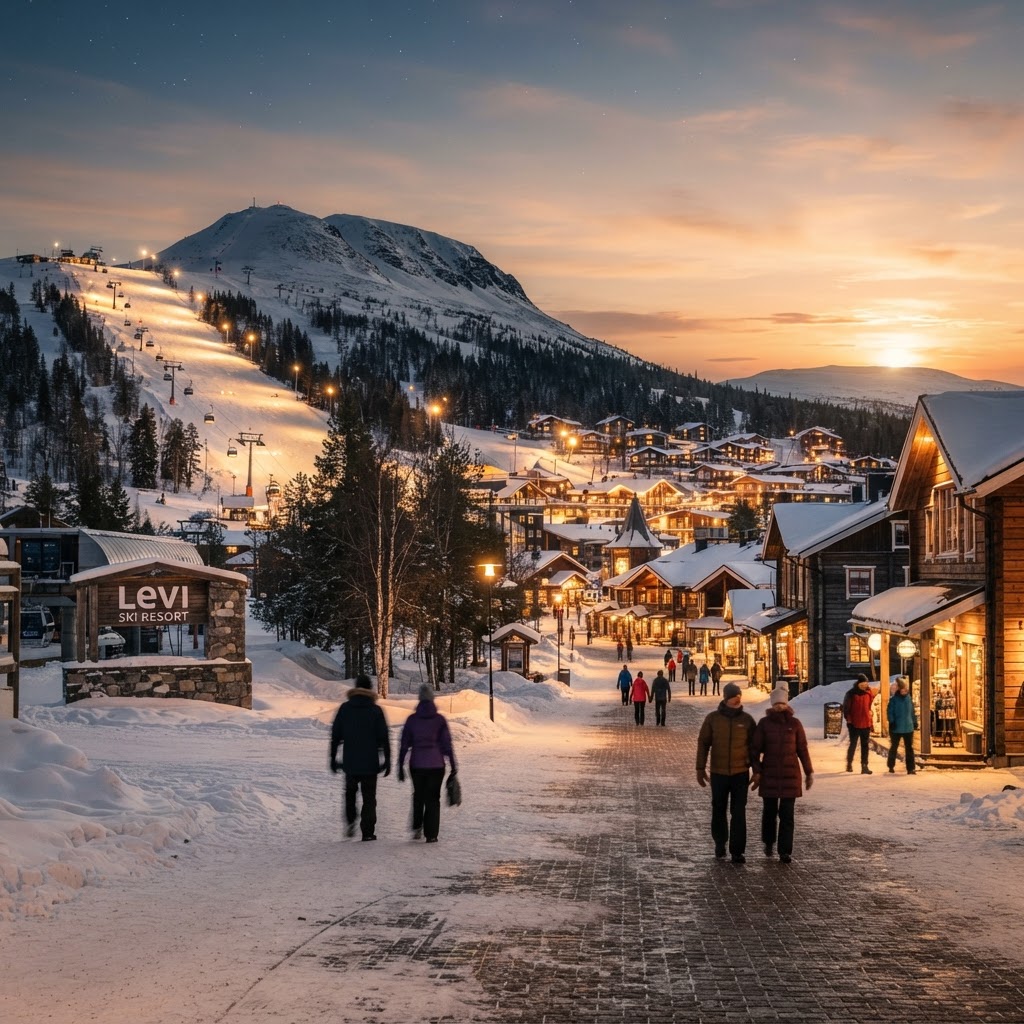
Levi, Finland
Finland
Finland's premier alpine fell combining genuine Arctic wilderness with alpine resort infrastructure
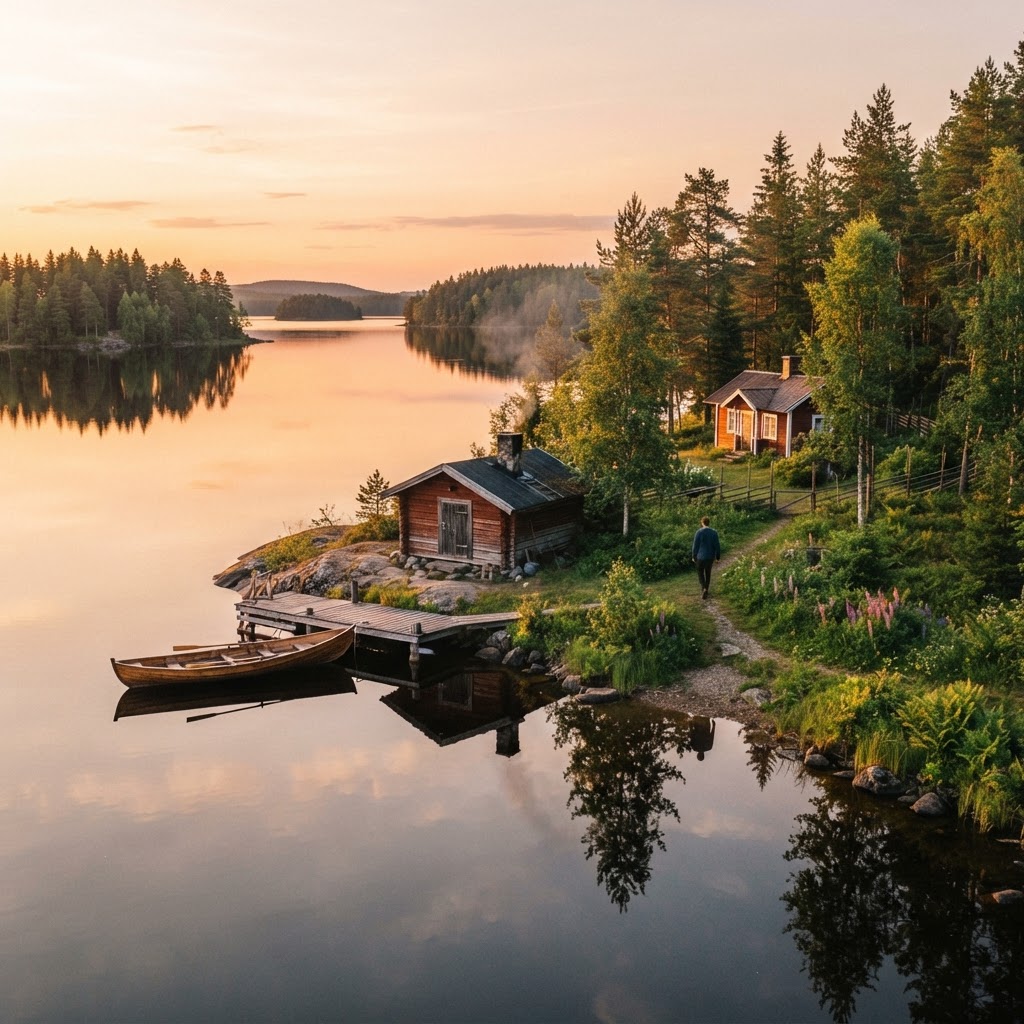
Finnish Lakeland, Finland
Finland
The quiet heart of Finnish life: smoke saunas, mirror-still water, and summer cottage rhythm.
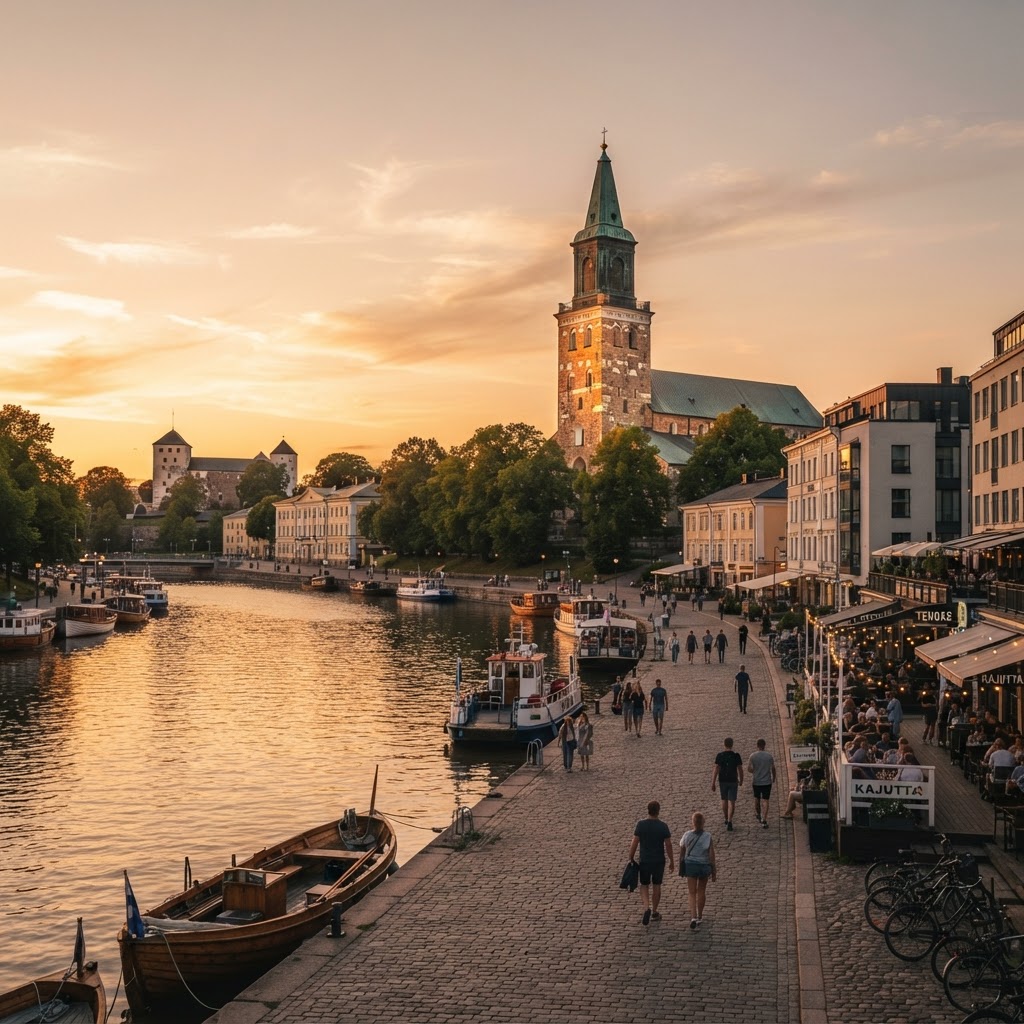
Turku, Finland
Finland
Finland's medieval capital, culinary heavyweight, and gateway to thousands of islands.
Readymade itineraries
Start from a tested template — then make it yours.
Ready to book
Lock in your Rovaniemi, Finland trip
Everything in one place. We may earn a small commission — it never costs you more.
Plan a trip to Rovaniemi, Finland
Pick a length and we'll build a day-by-day plan around how you travel — neighborhoods clustered, budget-aware, and editable.
Get better at planning trips like this
Occasional notes on planning smarter — no spam, unsubscribe anytime.
Plan a trip to Rovaniemi, Finland
Turn this guide into a day-by-day plan built around your pace, your group, and your budget.
Build my Rovaniemi, Finland trip