Brazil
Recife, Brazil
A complex coastal metropolis of Dutch-colonial bones, frevo rhythms, and fierce northeastern culinary swagger.
Plan & book
Sort your Recife, Brazil trip in one place.
We point you to the booking tools we'd actually use — live prices, no markup. Or let us build the day-by-day plan around you first, then book.
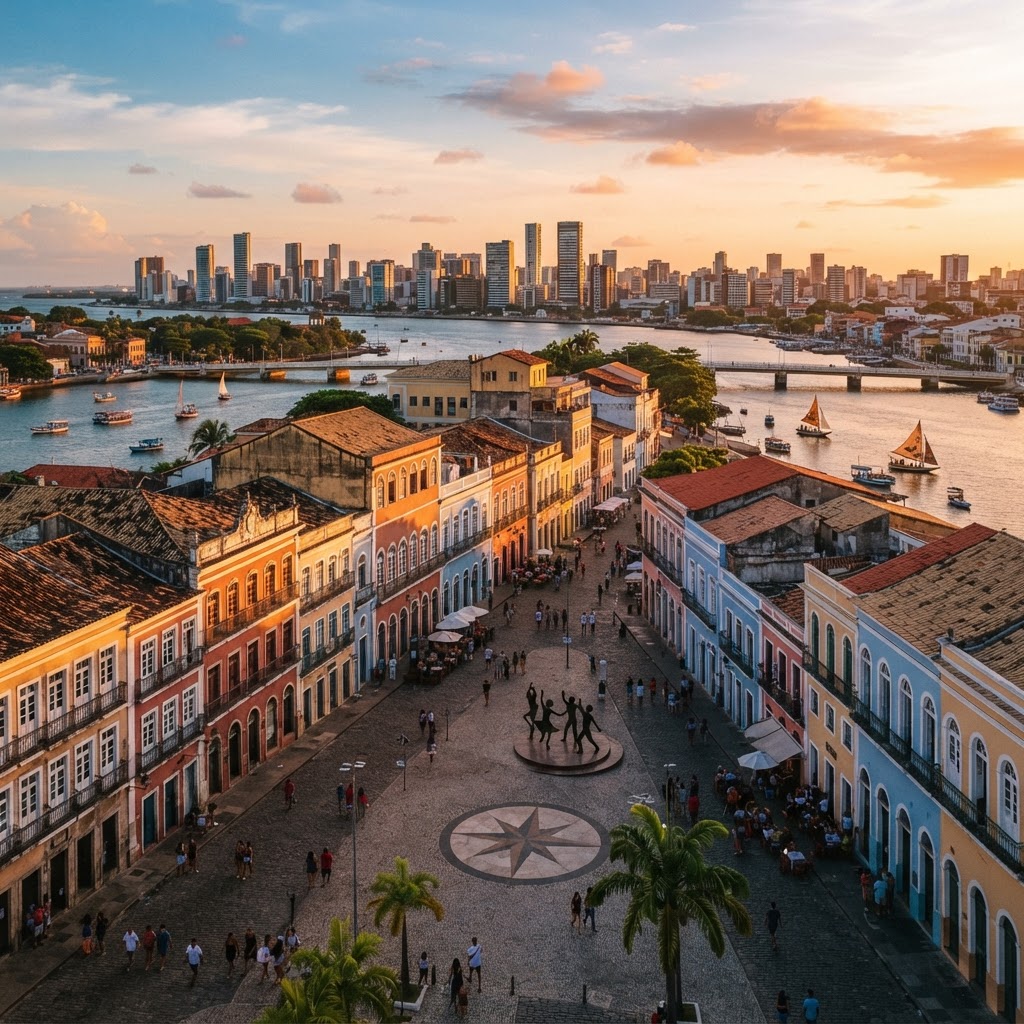
Recife is the kinetic hub of Pernambuco: a sprawling coastal capital defined by crisscrossing rivers, Atlantic breezes, and a distinct cultural identity rooted in frevo dance, maracatu rhythms, and historic sugar wealth. Unlike quiet resort towns, Recife is an unapologetically gritty, energetic Brazilian metropolis. Paired directly with its hillside neighbor Olinda, it offers travelers an intense immersion into historic architecture, vibrant culinary traditions like bolo de rolo and arrumadinho, and world-class private art collections, all set against a high-rise shoreline.
3 to 4 days
Best time
September to November offers the prime balance of clear Atlantic skies, dry days, and manageable hotel rates.
Build your own trip with these prebuilt itineraries
Each one is a tested, day-by-day plan for Recife, Brazil — start here, then make it yours.
5 Days in Recife and Pernambuco Coastlines in Recife
Urban cultural discovery paired with relaxed day trips along southern coral reefs and tidal pools
4 Days of Nordestino Flavors and Living Culture in Recife
Deep dive into regional gastronomy, frevo rhythms, artisanal markets, and inland arts institutions
3 Days of Historic Recife and Olinda in Recife
Classic cultural highlights spanning Dutch colonial heritage, Recife Antigo, and Olinda's vibrant slopes
Recife delivers a dense dose of authentic northeastern Brazilian culture without the curated resort polish. Between the cobblestones of Recife Antigo, the labyrinthine armory at Instituto Ricardo Brennand, and the immediate proximity to the colonial hill town of Olinda, it offers the deepest cultural and historical counterweight to Rio and São Paulo in the northeast.
Where to stay
Getting there
Getting around
Food & drink
What it costs
Things to do
Book tours & tickets in Recife, BrazilSkip it if
Skip Recife if you are seeking a traditional, carefree beach-bum vacation where you can swim in open surf all day (due to shark warning zones), or if you dislike gritty, high-energy urban hubs and prefer pristine seaside resort villages like Porto de Galinhas or Pipa.
When to go
Recife is one of Brazil's rainiest coastal capitals from May through August, which brings persistent downpours that disrupt walking. While December through February delivers peak energy and legendary Carnival festivities, crowds and prices surge drastically. The late-spring shoulder season gives you dry weather for walking historic streets without Carnival surcharges.
Peak (December to February)
Brilliant sunshine, oppressive heat, and massive Carnival crowds (especially Galo da Madrugada); plan on booking rooms 6 months in advance at premium rates.
Shoulder (September to November & March to April)
Dry, breezy coastal weather with minimal rain, lower hotel rates, and significantly lighter crowds in Recife Antigo and Olinda.
Low (May to August)
Heavy coastal rains and localized urban flooding can interrupt walking tours, though temperatures stay warm and lodging is deeply discounted.
Neighborhoods
Where you stay shapes the trip. Here's how to think about it.
Boa Viagem
High-rise modern beachfront lined with breezy calçadão paths and commercial energy.
Best for:First-timers, business travelers, and those wanting easy airport access and hotel infrastructure.
Don't miss:Fresh coconut water along the promenade kiosks, but heed the shark-warning signs and swim only in reef-protected tidal pools during low tide.
Recife Antigo
Cobblestone Dutch-colonial island infused with tech startups and street musicians.
Best for:Culture seekers, day-trippers, museum lovers, and weekend nightlife fans.
Don't miss:The Sunday open-street crafts market at Praça Rio Branco (Marco Zero) paired with a show at Paço do Frevo.
Espinheiro & Graças
Leafy, tree-shaded residential northern enclave packed with independent bistros and neighborhood bakeries.
Best for:Slow travelers, food enthusiasts, and remote workers avoiding beachfront hotels.
Don't miss:Afternoon coffee and local craft beer along Rua da Hora and Rua Futuro.
Pina
Transitional coastal pocket bridging gritty port history and trendy culinary hotspots.
Best for:Diners seeking creative seafood, cocktail lounges, and sunset views over the river mouth.
Don't miss:Dinner along the waterfront docks near Bacia do Pina overlooking the bridges.
Olinda (Historic Center)
Bohemian colonial hillside frozen in time with baroque convents and steep stone alleys.
Best for:Artists, history buffs, and travelers prioritizing colonial charm over city speed.
Don't miss:Catching sunset from Alto da Sé with freshly griddled tapioca filled with coalho cheese.
Destination intelligence
Updated 9/14/2026The structured record we plan every Recife, Brazil itinerary from.
Walkability
Low overall across the city due to wide distances, but moderate within self-contained historic and park clusters like Recife Antigo and Jaqueira.
Transit quality
Moderate for locals, low practical value for tourists; ride-hail apps are cheap, fast, and the clear primary choice for getting around.
Car needed
Not required in the city; rental cars cause traffic and parking headaches in Recife, though a car can be useful if planning self-drive excursions down the southern Pernambuco coast.
Ideal duration
3 to 4 days
Minimum useful
2 days
Peak season
December to February (Carnival season brings massive street celebrations, sweltering heat, and packed hotels at peak pricing).
Shoulder season
September to November and March to April (dryer coastal weather, smaller crowds, and mild Atlantic breezes).
Low season
May to August (the southern winter brings persistent coastal rain and overcast days, though temperatures remain warm).
Best for
Common mistakes
- Swimming past the reef at Boa Viagem Beach: shark encounters are documented along this specific coastal stretch; obey red flags and only wade in natural reef pools at low tide.
- Treating Olinda as an afterthought: while administratively a separate city, Olinda's colonial core is essentially contiguous with Recife and deserves an unhurried full morning or afternoon.
- Walking between major districts after dark: stick to ride-hail services door-to-door at night rather than walking across empty downtown bridges or quiet Boa Viagem avenues.
- Skipping the inland cultural hubs: staying solely on the Boa Viagem strip deprives you of Recife's actual soul in Recife Antigo, Várzea, and the Zona Norte.
Best nearby
See what a trip to Brazil actually costs. Travel Budget Co.
How to plan it
- Dedicate a Sunday to Recife Antigo when the historic island closes to car traffic, artisans fill Rua do Bom Jesus, and frevo bands play near Marco Zero.
- Do not attempt to squeeze Instituto Ricardo Brennand and Olinda into the same day; they sit on completely opposite sides of the metropolitan area with dense urban traffic between them.
- Book an Olinda day trip starting by 9:00 AM to explore the baroque interior of Convento de São Francisco and Igreja da Sé before midday tropical humidity peaks.
- Pair Recife with an overland extension south to Porto de Galinhas or a short flight to Fernando de Noronha rather than staying an entire week inside the city limits.
Questions
Readymade itineraries
Start from a tested template — then make it yours.
Ready to book
Lock in your Recife, Brazil trip
Everything in one place. We may earn a small commission — it never costs you more.
Plan a trip to Recife, Brazil
Pick a length and we'll build a day-by-day plan around how you travel — neighborhoods clustered, budget-aware, and editable.
Get better at planning trips like this
Occasional notes on planning smarter — no spam, unsubscribe anytime.
Plan a trip to Recife, Brazil
Turn this guide into a day-by-day plan built around your pace, your group, and your budget.
Build my Recife, Brazil trip