Cook Islands
Rarotonga, Cook Islands
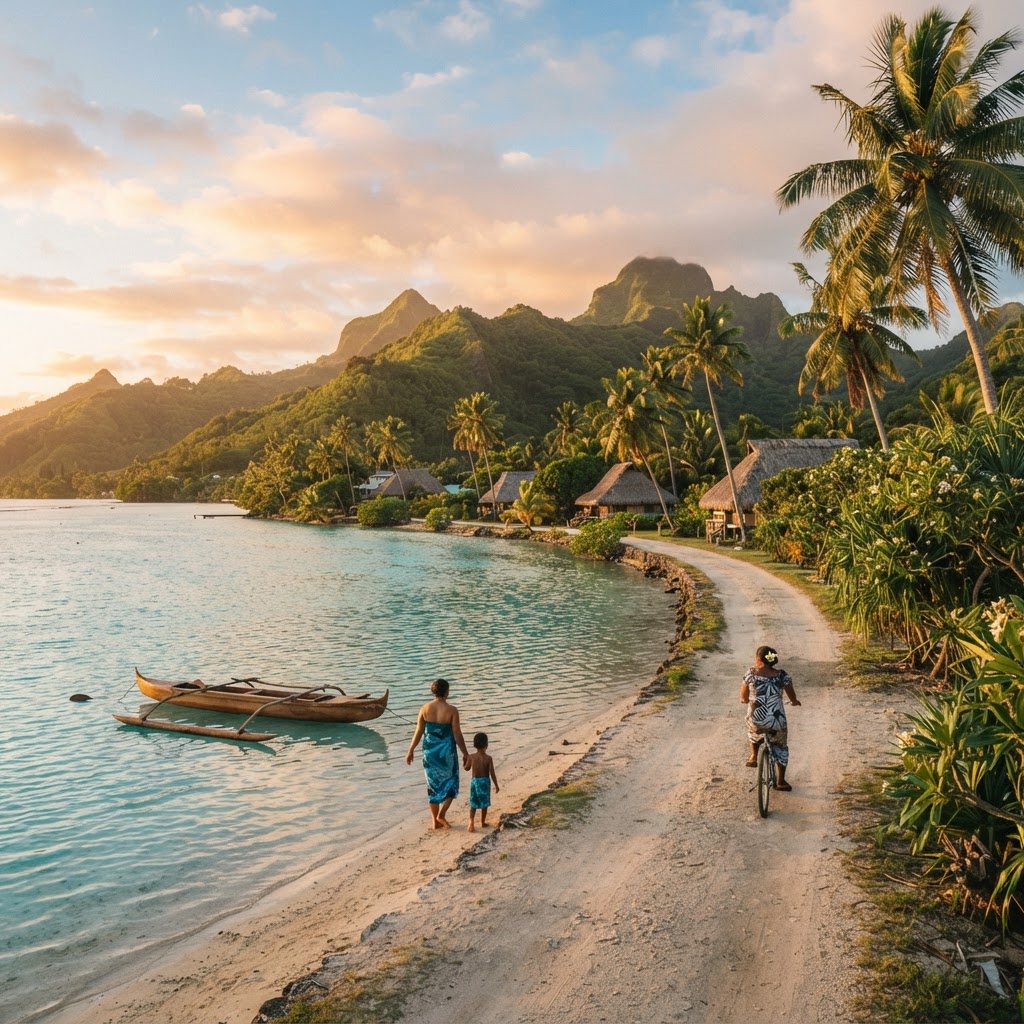
Uncluttered Polynesian lagoon life with zero traffic lights and no building taller than a palm tree.
Plan & book
Sort your Rarotonga, Cook Islands trip in one place.
We point you to the booking tools we'd actually use — live prices, no markup. Or let us build the day-by-day plan around you first, then book.
Rarotonga is a 32-kilometer volcanic ring encircled by a barrier reef and shallow turquoise lagoons. Free of international resort conglomerates, mega-cruise piers, and fast-food chains, this South Pacific hub trades mass luxury for low-key authenticity: self-catering beach villas, scooter-accessible reef passages, roadside fruit stands, and an island-wide pace dictated by the tides and Sunday church bells.
How long
5 to 7 days (or 7 to 10 days if adding Aitutaki)
Best time
May to October offers the dry, breeze-cooled sweet spot.
Build your own trip with these prebuilt itineraries
Each one is a tested, day-by-day plan for Rarotonga, Cook Islands — start here, then make it yours.
9 Days in Rarotonga & Aitutaki: The Dual Lagoon Escape in Rarotonga
Relaxed island-hopping getaway splitting time between Rarotonga's vibrant culture and an unhurried, multi-night retreat on Aitutaki's world-famous turquoise lagoon.
7 Days in Rarotonga: Active Trails & Hidden Coves in Rarotonga
Outdoor and eco-adventure focus tackling rugged interior ridgelines, guided reef passage safety, south-coast snorkeling, and back-road plantation cycling.
5 Days in Rarotonga: Island Highlights & Reefs in Rarotonga
First-time orientation combining Muri Beach kayaking, marine reserve snorkeling, cultural village markets, and the cross-island trek.
Rarotonga offers the raw, postcard beauty of French Polynesia or Hawaii without the commercialism, inflated resort surcharges, or massive crowds. You can circumnavigate the entire island on a scooter or public bus in under an hour, snorkel among giant trevally right off the sand in marine reserves, and hike steep jungle volcanic needles in the morning before dining on fresh ika mata at a beach shanty by afternoon.
Where to stay
Getting there
Getting around
Food & drink
What it costs
Things to do
Book tours & tickets in Rarotonga, Cook IslandsSkip it if
Skip Rarotonga if you want high-energy international nightlife, luxury shopping malls, chain casinos, or all-inclusive mega-resorts with sprawling multi-pool complexes. Travelers expecting ultra-fast municipal transit, ride-share apps like Uber, or immediate metropolitan convenience will find the relaxed South Pacific pace frustrating.
When to go
Southern Hemisphere winter keeps temperatures around 25°C (77°F) with lower humidity and minimal rainfall, while humpback whales migrate past the reef from July to October. The tradeoff is firmer lodging prices and windward breezes, whereas summer brings cheaper rates alongside tropical downpours and muggy air.
Peak (June to August)
Crisp sunny days, prime whale watching from shore, and cooler evenings; flights and lagoon-front villas book out months ahead.
Shoulder (April to May & September to November)
Calmer seas, warmest comfortable water for snorkeling, and lighter crowds before the wet season arrives.
Low (December to March)
Hot, humid, and rainy with sporadic tropical squalls; economical rates on bungalows, but ocean visibility can drop.
Neighborhoods
Where you stay shapes the trip. Here's how to think about it.
Muri Beach & Lagoon
The island's liveliest hub with motu views, kayak rentals, and foot-friendly dining.
Best for:First-timers, water sports enthusiasts, and travelers who want to walk to dinner
Don't miss:The Sunday, Tuesday, Wednesday, and Thursday evening Muri Night Market for ika mata, pork belly, and local coconut noodles.
Aroa & South Coast (Titikaveka)
Uncrowded, calm, and home to the island's richest protected coral gardens.
Best for:Dedicated snorkelers, quiet couples, and self-catering bungalow seekers
Don't miss:Wading straight off the sand into Aroa Marine Reserve at slack high tide for butterflyfish, trevally, and moray eels.
Arorangi (West Coast)
Front-row seats for South Pacific sunsets with long sweeps of walking beach.
Best for:Golden hour cocktail lovers, beach strollers, and resort stays
Don't miss:Sunset drinks on the sand at Castaway Resort's beach bar, followed by stargazing at Black Rock.
Avarua
Low-rise administrative capital anchored by churches, harbor docks, and essential retail.
Best for:Market shoppers, local culture buffs, and banking or logistics runs
Don't miss:Punanga Nui Market on Saturday morning by 8:00 AM for fresh seasonal fruit, cooked food stalls, and hand-printed pareus.
Destination intelligence
Updated 9/14/2026The structured record we plan every Rarotonga, Cook Islands itinerary from.
Walkability
Low overall for exploring the whole island, but high within localized beach pockets like Muri village. You will need a car, scooter, or the local bus for general travel.
Transit quality
Moderate; the Clockwise and Anti-Clockwise buses run regular daylight schedules on the single main road, but nighttime service is limited and stops early.
Car needed
Optional but recommended; a small rental car or scooter unlocks complete freedom to access quiet south-coast snorkeling spots and back-road plantations.
Ideal duration
5 to 7 days (or 7 to 10 days if adding Aitutaki)
Minimum useful
4 days
Peak season
June through August (dry Southern Hemisphere winter with pleasant 25°C/77°F temperatures, low rainfall, and humpback whale migrations).
Shoulder season
April to May and September to November (warm, sunny shoulder months with lower wind, calm lagoon waters, and lighter visitor traffic).
Low season
December through March (hot, humid summer with tropical rain downpours and low cyclone risk; budget flight and lodging bargains).
Best for
Common mistakes
- Swimming out into reef passages (especially Avaavaroa and Rutaki) without a local guide; these channels produce severe, life-threatening outward rip currents.
- Failing to plan for Sunday shutdowns; many shops, rental agencies, and restaurants close entirely for church and family rest.
- Renting a scooter without previous riding experience; gravel washouts on road edges and stray island dogs cause frequent tourist injuries.
- Assuming every beach is swimmable at low tide; shallow coral flats in some sections become bone-dry, making tide charts essential.
- Treating Aitutaki solely as an expensive 6-hour day flight rather than an overnight stay when budget permits.
Best nearby
How to plan it
- Base yourself in Muri if you do not want to cook every meal or rent a car for the entire stay.
- If planning the Cross-Island Trek to Te Rua Manga (The Needle), start before 8:30 AM to beat midday heat and skip it entirely if it rained overnight due to treacherous clay scrambles.
- Book the Air Rarotonga day tour to Aitutaki as an advance safety valve if you lack time to spend three nights there.
- Stock your villa kitchen with fresh produce at the Saturday Punanga Nui Market before 10:00 AM; stock dries up fast.
- Pick the Aroa Marine Reserve or Fruits of Rarotonga on the south coast over Muri if clear coral reef snorkeling is your top priority.
Questions
Readymade itineraries
Start from a tested template — then make it yours.
Ready to book
Lock in your Rarotonga, Cook Islands trip
Everything in one place. We may earn a small commission — it never costs you more.
Plan a trip to Rarotonga, Cook Islands
Pick a length and we'll build a day-by-day plan around how you travel — neighborhoods clustered, budget-aware, and editable.
Get better at planning trips like this
Occasional notes on planning smarter — no spam, unsubscribe anytime.
Plan a trip to Rarotonga, Cook Islands
Turn this guide into a day-by-day plan built around your pace, your group, and your budget.
Build my Rarotonga, Cook Islands trip