South Africa
Plettenberg Bay
The Garden Route's premier coastal hub for rugged peninsula hiking, blue-flag surf, and relaxed seafood dining
Plan & book
Sort your Plettenberg Bay trip in one place.
We point you to the booking tools we'd actually use — live prices, no markup. Or let us build the day-by-day plan around you first, then book.
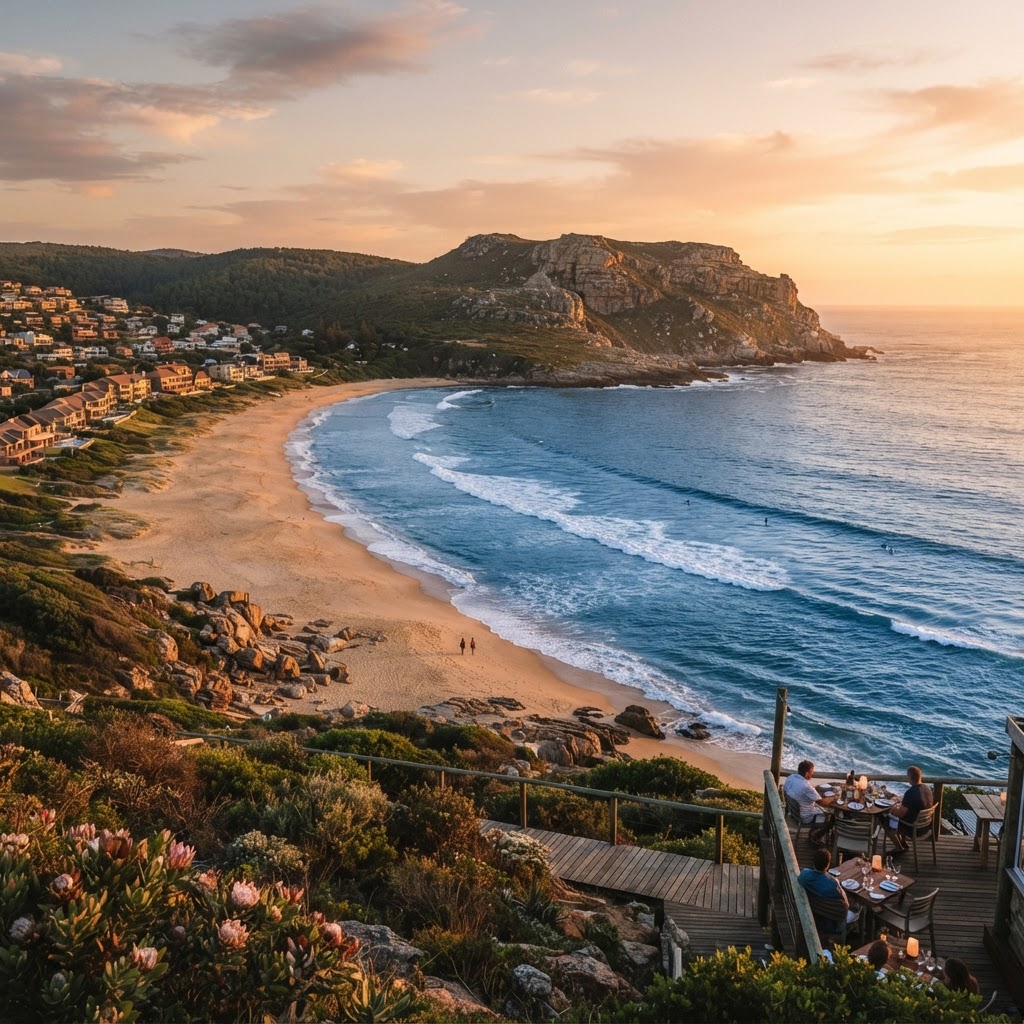
Locally known simply as Plett, Plettenberg Bay is the undisputed coastal anchor of South Africa's Garden Route. Backed by the Outeniqua and Tsitsikamma mountain ranges and facing sweeping Indian Ocean waters, it provides a dramatically superior base compared to neighboring commercial hubs like Knysna. Between the rugged sandstone cliffs of Robberg Nature Reserve, golden surf beaches, coastal wine estates, and indigenous river estuaries, Plett combines outdoor wilderness with excellent dining infrastructure.
4 days
Best time
February to April and October to November for clear skies, crisp trail weather, and no holiday gridlock.
Build your own trip with these prebuilt itineraries
Each one is a tested, day-by-day plan for Plettenberg Bay — start here, then make it yours.
6 Days in Plettenberg Bay: Slower Family & Wildlife Escape in Plettenberg Bay
Relaxed family-friendly base balancing patrolled beaches, animal sanctuaries in The Crags, and coastal day trips
4 Days in Plettenberg Bay: Coastal Nature & Trails in Plettenberg Bay
Active outdoor exploration covering the full Robberg loop, marine life, and coastal reserves
2 Days in Plettenberg Bay: Coastal Quick Stop in Plettenberg Bay
Classic highlights for Garden Route road-trippers featuring Robberg and Lookout Beach
Robberg Nature Reserve alone justifies the detour: a peninsula trail tracing seal colonies, crashing surf, and rolling dune fields that ranks among the world's most scenic day hikes. Beyond the trails, Plett avoids the over-commercialized highway feel of Knysna while delivering far better ocean swimming, dolphin watching directly from the shore, and access to cool-climate vineyards in The Crags.
Where to stay
Getting there
Getting around
Food & drink
What it costs
Things to do
Book tours & tickets in Plettenberg BaySkip it if
Skip Plett if you are on a rushed 48-hour Cape Town whirlwind; driving over five hours each way for an overnight stop along the N2 will leave you exhausted. It is also not suited for travelers relying strictly on public transportation or those seeking a pulsating 24/7 urban nightlife scene.
When to go
December and early January bring warm ocean swimming but cripple town roads with South African school holiday traffic and triple lodging rates. February through April delivers dry beach warmth and easy table reservations, while October and November pair blooming fynbos trails with lingering migratory Southern Right whales without summer crowds.
Peak (December to mid-January)
High energy, warm water, and active beach culture, offset by packed restaurants, bumper-to-bumper Main Street traffic, and steep minimum-night booking policies.
Shoulder (February to April & October to November)
The true sweet spot: warm, sunny days, calm sea breezes, easy parking at Robberg Nature Reserve, and available tables at top seafood bistros.
Low (May to September)
Crisp winter days and occasional Atlantic fronts, offering virtually empty hiking trails, bargain villa rentals, and prime coastal whale watching from July through October.
Neighborhoods
Where you stay shapes the trip. Here's how to think about it.
Central Beach & Beacon Island
Energetic seaside strip anchored by surf schools, whale charters, and barefoot foot traffic.
Best for:Beach lovers and watersports enthusiasts wanting walk-to-sand convenience
Don't miss:Catching morning surf breaks or watching charter boats launch directly off the sand at Central Beach.
Lookout & Downtown Main Street
Elevated coastal ridge combining walkable bistro dining with panoramic bay lookouts.
Best for:First-timers, couples, and food lovers who prioritize walkable evenings
Don't miss:Whale-watching over a cold drink from Lookout Deck, followed by browsing the boutiques along Main Street.
Lower Robberg & Sanctuary
Quiet, leafy residential avenues running parallel to miles of pristine beach walking trails.
Best for:Hikers, families, and travelers wanting quick access to Robberg Peninsula
Don't miss:The scenic foot trail descending to Sanctuary Beach for sunrise walks away from commercial buzz.
Keurboomstrand
Wild, wind-swept coastal enclave backed by indigenous forest and rugged rocky outcrops.
Best for:Solitude seekers, nature lovers, and travelers willing to drive 15 minutes for dramatic wilderness
Don't miss:Dining directly on the sandbank at Enrico Restaurant while watching dolphins play in the surf.
The Crags & Kurland
Verdant hinterland of boutique cool-climate vineyards, polo estates, and forested wildlife sanctuaries.
Best for:Wine enthusiasts, families with older kids, and luxury estate stays
Don't miss:Tasting methode cap classique sparkling wines and local platters at Bramon Wine Estate.
Destination intelligence
Updated 9/14/2026The structured record we plan every Plettenberg Bay itinerary from.
Walkability
Low overall. While downtown Main Street and parts of Lookout Beach are walkable, reaching major trailheads, wineries, and neighboring nature reserves requires a car.
Transit quality
Poor. There is no reliable municipal public transit network, and Uber/bolt coverage is thin and unreliable beyond the immediate town center.
Car needed
Yes. A rental car is essential for reaching Robberg Nature Reserve, The Crags, and regional coastal viewpoints.
Ideal duration
4 days
Minimum useful
2 days
Peak season
December to mid-January: warm summer weather and prime ocean swimming, but massive holiday crowds, congested traffic, and premium lodging rates.
Shoulder season
February to April and October to November: sunny days, manageable crowds, easier restaurant bookings, and pleasant hiking conditions.
Low season
May to September: cooler winter temperatures and occasional rain, but ideal trail weather and prime coastal Southern Right whale watching from July onward.
Best for
Common mistakes
- Using Knysna as an overnight base instead of Plett; Plett has vastly superior beach access, better open-ocean views, and sits closer to the premier hikes
- Visiting during the peak December to early January school break without booking accommodation and dinner reservations months in advance, when crowds and prices triple
- Attempting the Robberg Point hike in flip-flops or without water; the full peninsula loop involves rocky scrambles, steep elevation, and exposed sun
- Driving the N2 highway after dark; stray livestock, unlit pedestrians, and variable road lighting make daytime driving much safer
Best nearby
See what a trip to South Africa actually costs. Travel Budget Co.
How to plan it
- Stay in Lookout or Downtown if you want to walk to dinner and drinks; pick Lower Robberg if you want dawn trail runs to the nature reserve.
- Tackle the Robberg Nature Reserve trail first thing in the morning (gates open at 7:00 AM) to secure parking and beat both the afternoon heat and oncoming tide.
- Pair Plett with Tsitsikamma National Park as an active day trip (45 minutes east on the N2) rather than shifting hotels for a single night.
- Book high-demand dinner spots like The Fat Fish and Enrico at Keurboomstrand at least 1 to 2 weeks ahead during peak summer months.
- Allocate a half-day to The Crags wine route along Redford Road instead of trying to squeeze it into a transit day back to Cape Town.
Questions
Readymade itineraries
Start from a tested template — then make it yours.
Ready to book
Lock in your Plettenberg Bay trip
Everything in one place. We may earn a small commission — it never costs you more.
Plan a trip to Plettenberg Bay
Pick a length and we'll build a day-by-day plan around how you travel — neighborhoods clustered, budget-aware, and editable.
Get better at planning trips like this
Occasional notes on planning smarter — no spam, unsubscribe anytime.
Plan a trip to Plettenberg Bay
Turn this guide into a day-by-day plan built around your pace, your group, and your budget.
Build my Plettenberg Bay trip