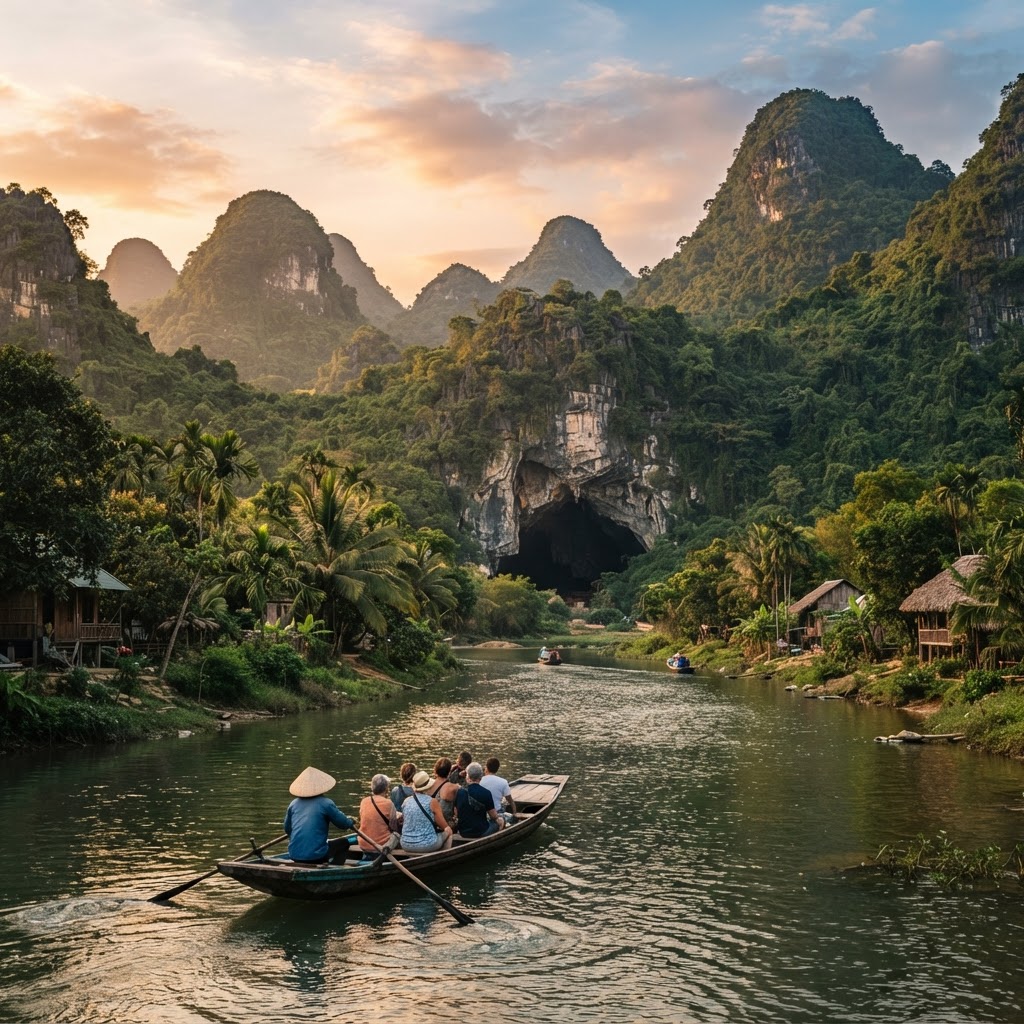
Vietnam
Phong Nha, Vietnam
The subterranean adventure capital of Southeast Asia carved into ancient limestone jungle.
Plan & book
Sort your Phong Nha, Vietnam trip in one place.
We point you to the booking tools we'd actually use — live prices, no markup. Or let us build the day-by-day plan around you first, then book.
Phong Nha is Vietnam at its most primeval. Centered around Phong Nha-Ke Bang National Park—a UNESCO World Heritage site guarding 400-million-year-old karst mountains and the planet’s most colossal cave systems—this quiet river settlement swaps urban chaos for jungle-flanked valleys and subterranean rivers. While Son Doong grabs the global headlines, everyday travel here revolves around accessible boardwalk caverns, limestone kayaking, remote homestays, and expedition-grade multi-day jungle treks.
How long
3 to 4 days (or up to 5 days if undertaking an overnight multi-day expedition with operators like Oxalis or Jungle Boss)
Best time
March through May for warm days, lush greenery, and optimal cave accessibility before intense summer heat.
Build your own trip with these prebuilt itineraries
Each one is a tested, day-by-day plan for Phong Nha, Vietnam — start here, then make it yours.
5 Days in Phong Nha: Slow Rural Living & Karst Valleys in Phong Nha
Relaxed immersion focusing on scenic Bong Lai Valley farm stays, peaceful kayaking, botanical trails, and unhurried village hospitality
4 Days in Phong Nha: Deep Jungle & Caving Expedition in Phong Nha
Active outdoor adventure centered on multi-day backcountry trekking, technical cave scrambling, and overnight jungle camping
3 Days in Phong Nha: Classic Caves & River Life in Phong Nha
First-time balanced exploration combining top accessible wet and dry caves with leisurely countryside cycling and Son River boat trips
Go for limestone caverns on a scale impossible to grasp from photographs, set in a rural valley that remains remarkably uncommercialized compared to Ninh Binh or Ha Long Bay. You can stand inside cathedral-sized caverns like Paradise Cave in the morning, motor along tranquil karst valleys by scooter in the afternoon, and end the evening eating charcoal-grilled chicken with peanut sauce beside the Son River.
Where to stay
Getting there
Getting around
Food & drink
What it costs
Things to do
Book tours & tickets in Phong Nha, VietnamSkip it if
Skip Phong Nha if your travel party has limited physical mobility or relies on wheelchairs and strollers; navigating the caves demands hundreds of concrete steps, slick wooden boardwalks, and climbing boat ramps. It is also an ill fit for travelers seeking polished luxury resorts, sophisticated nightlife, or curated historic urban charm.
When to go
Phong Nha operates on a strict cave hydrology clock. April to August brings consistent sunshine and clear water ideal for river swims, but midsummer temperatures can exceed 38°C (100°F). Autumn brings monsoon rains and flooding that shut down wet caves entirely, while spring hits the comfortable sweet spot.
Peak (April to August)
Hot, sunny, dry days ensure every expedition, dry cave, and water tour runs without disruption; expect high humidity and midsummer domestic crowds.
Shoulder (February to March)
Crisp mornings, pleasant trekking weather, and stunning mist around the karsts, though mountain water can feel brisk for subterranean swims.
Low (September to November)
Typhoon and monsoon season; Son River frequently floods, shuttering wet caves like Phong Nha Cave, Dark Cave, and all multi-day expeditions.
Neighborhoods
Where you stay shapes the trip. Here's how to think about it.
Phong Nha Town (Son Trach / DT20 Strip)
Backpacker-friendly river village with street cafes, lively hostels, tour agencies, and easy departures.
Best for:First-timers, solo travelers, and anyone relying on walking to dinner and morning tour pickups.
Don't miss:The central Phong Nha Tourism Center boat dock to charter an engine-cut wooden dragon boat into Phong Nha Cave.
Son River Waterfront (Riverside)
Tranquil limestone vistas along the water just minutes from town, swapping neon hostels for riverside balconies.
Best for:Couples, light sleepers, and travelers seeking karst views without being isolated from dining.
Don't miss:Catching sunset from a riverside villa deck as fishing sampans drift past karst silhouettes on the Son River.
Bong Lai Valley
Sprawling, unpaved agricultural countryside filled with peanut fields, water buffalo, dirt tracks, and rustic farmstays.
Best for:Slow travelers, retreat seekers, cyclists, and families wanting open rural landscape.
Don't miss:The whimsical Duck Stop for a chaotic 'duck massage' and cold beer, followed by wood-fired chicken at The Pub with Cold Beer.
Chay Lap & National Park Fringe
Lush jungle frontier right at the park gates, characterized by upscale eco-resorts and direct river access.
Best for:Active outdoor lovers, kayakers, and high-end travelers wanting immersion right next to trailheads.
Don't miss:Kayaking the Chay River at dawn before tour buses reach Dark Cave and Mooc Springs.
Destination intelligence
Updated 9/14/2026The structured record we plan every Phong Nha, Vietnam itinerary from.
Walkability
Low overall. The main village strip along DT20 is walkable for dining and coffee, but key caves and national park trailheads are situated 10 to 30 kilometers away.
Transit quality
Low. There is no urban metro or local municipal transit system; transit relies on private taxis, long-distance sleeper buses, homestay shuttles, and rented scooters.
Car needed
Rental cars (self-drive) are not recommended or practical; travelers use rented motorbikes, hired private cars with local drivers, or organized tour transfers.
Ideal duration
3 to 4 days (or up to 5 days if undertaking an overnight multi-day expedition with operators like Oxalis or Jungle Boss)
Minimum useful
2 full days (enough to see Paradise Cave, Phong Nha Cave, and the surrounding countryside)
Peak season
April to August (hot, sunny, dry weather ideal for river swimming, kayaking, and all cave expeditions).
Shoulder season
February to March (cooler, dry, comfortable trekking temperatures with morning mist over the karsts).
Low season
September to November (peak wet and typhoon season, with frequent heavy flooding closing wet caves and expedition routes).
Best for
Common mistakes
- Attempting to cram three show caves into a single day; cave fatigue sets in quickly, so pairing one dry cave with one wet/river cave is the optimal rhythm.
- Visiting between late September and mid-November without checking flood alerts, when torrential typhoons can flood river caves and shut down national park trails.
- Relying entirely on credit cards; local ATMs can frequently run dry or reject international cards, and small warungs and homestays are strictly cash-only.
- Treating Phong Nha as merely a rushed day-trip detour from Hue, requiring 8 hours round-trip in a vehicle with barely 2 hours inside the caves.
- Failing to pack sturdy water shoes, dry bags, and quick-drying apparel for cave wading and river activities.
Best nearby
See what a trip to Vietnam actually costs. Travel Budget Co.
How to plan it
- Limit yourself to two caves in one full day; squeezing Paradise Cave, Dark Cave, and Phong Nha Cave into 8 hours leads to cave fatigue and rushed commutes.
- Stay along the Son River or out in Bong Lai Valley if you want quiet nights; base yourself on the DT20 main strip only if you need walking access to bus stops and tour desks.
- Pair Phong Nha logically with Hue or Ninh Binh via direct limousine bus (4 hours from Hue, 6 to 7 hours from Ninh Binh) rather than flying.
- Do not skip Paradise Cave: it is 31 kilometers long, fully boardwalked for the first kilometer, and vastly more cavernous than Phong Nha Cave.
- If arriving by train or flight at Dong Hoi, book a fixed-rate homestay taxi transfer (45 minutes, ~400,000 to 500,000 VND) instead of haggling with station touts.
Questions
More in Vietnam
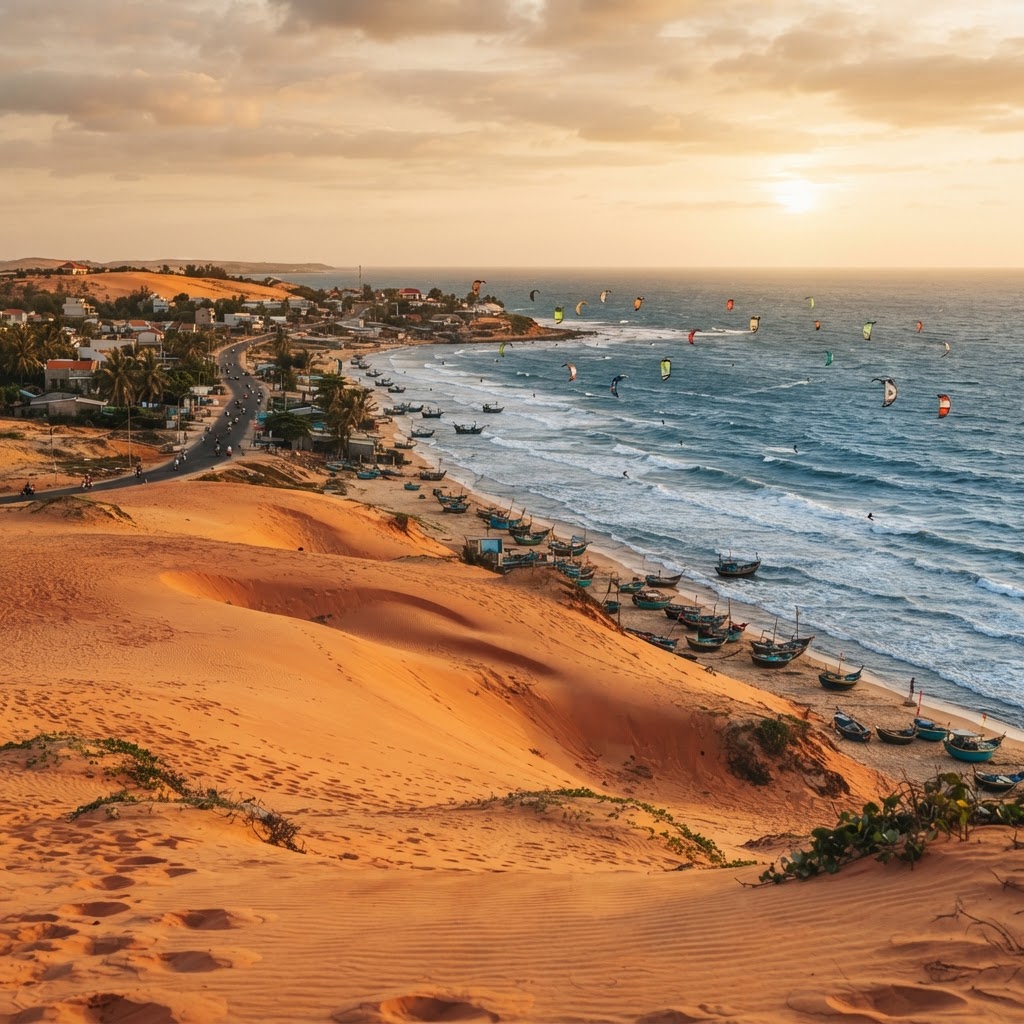
Mui Ne
Vietnam
Windswept Sahara-style coastal dunes meet Vietnam's premier kitesurfing swell
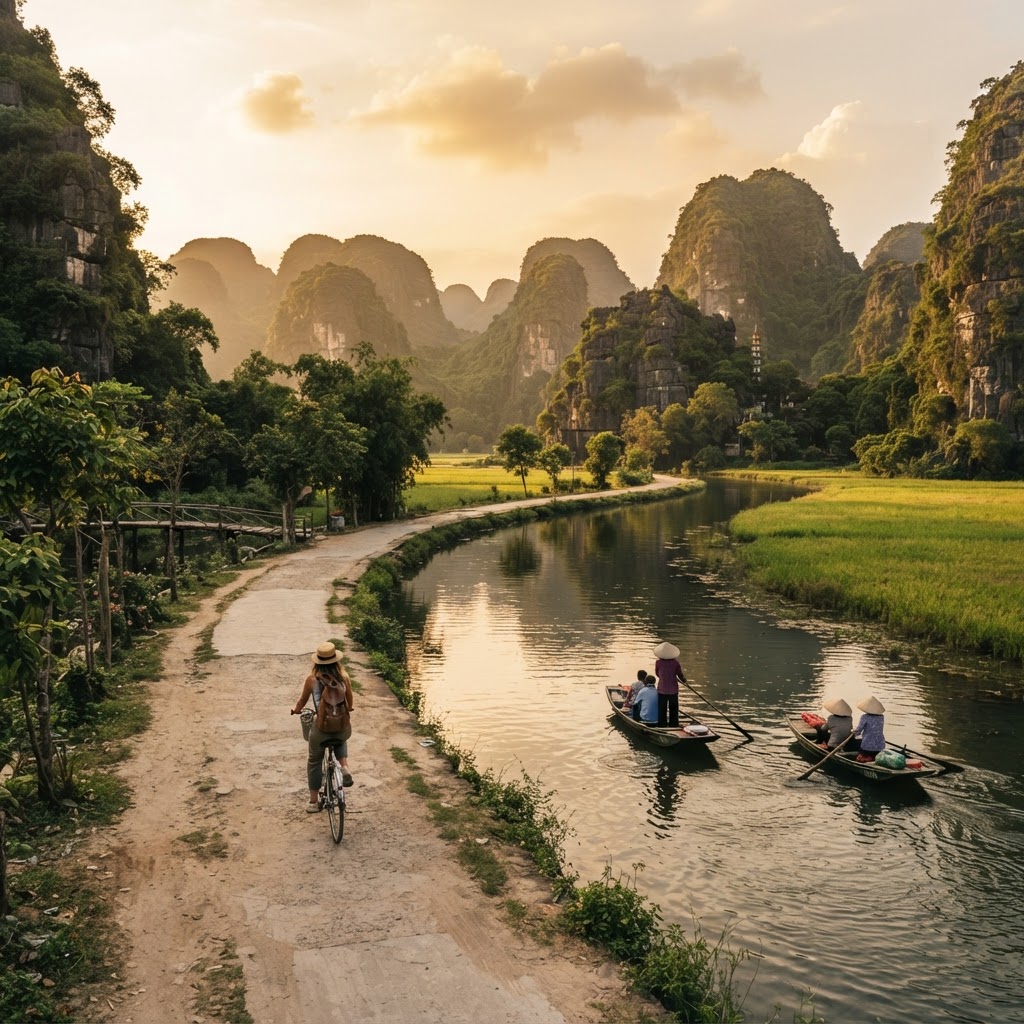
Ninh Binh
Vietnam
Karst limestone peaks, flat cycling routes, and traditional river sampans two hours south of Hanoi.
Readymade itineraries
Start from a tested template — then make it yours.
Ready to book
Lock in your Phong Nha, Vietnam trip
Everything in one place. We may earn a small commission — it never costs you more.
Plan a trip to Phong Nha, Vietnam
Pick a length and we'll build a day-by-day plan around how you travel — neighborhoods clustered, budget-aware, and editable.
Get better at planning trips like this
Occasional notes on planning smarter — no spam, unsubscribe anytime.
Plan a trip to Phong Nha, Vietnam
Turn this guide into a day-by-day plan built around your pace, your group, and your budget.
Build my Phong Nha, Vietnam trip