Kenya
Mombasa, Kenya Itinerary: How Many Days + Sample Plans
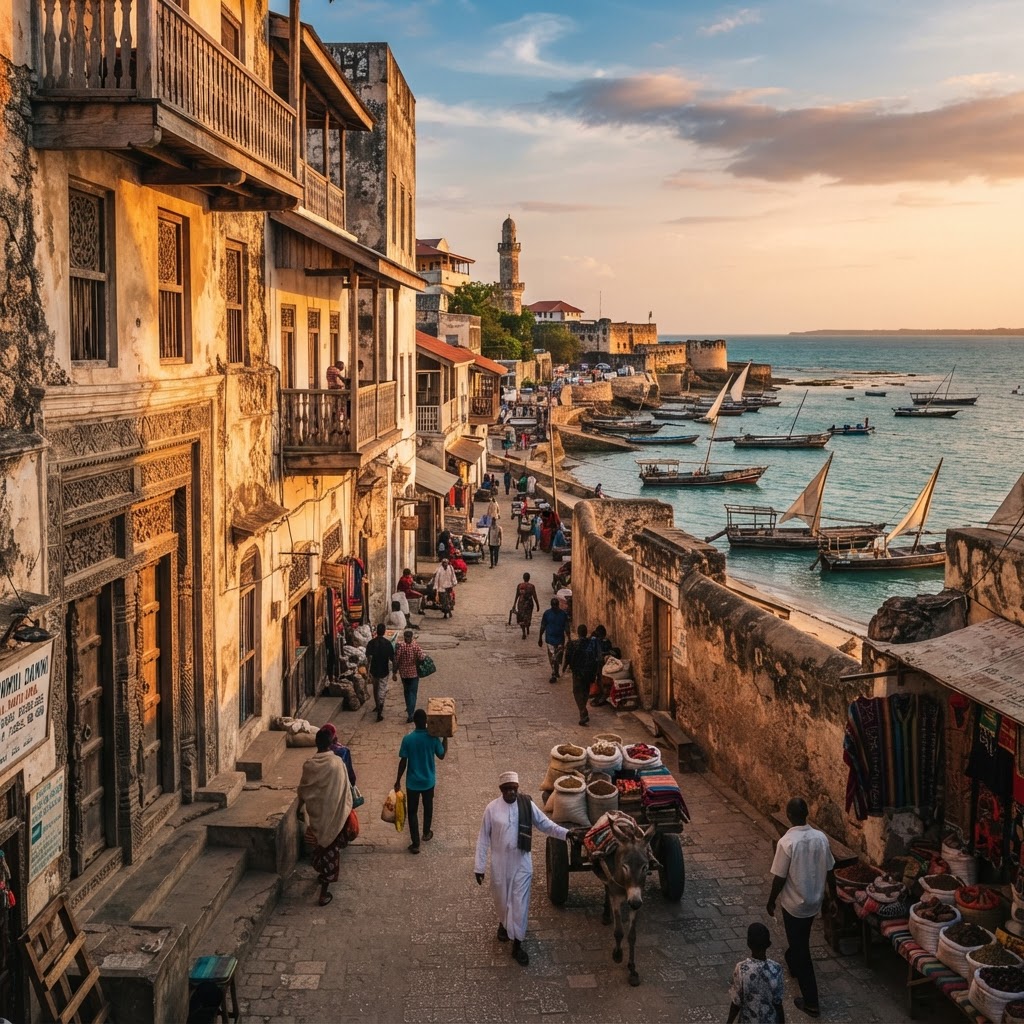
Centuries-old Swahili stone architecture meets coral reefs and Indian Ocean spice routes.
Traveler rating
Loved by history enthusiasts intrigued by Portuguese and Omani maritime clashes.
Plan & book
Sort your Mombasa, Kenya trip in one place.
We point you to the booking tools we'd actually use — live prices, no markup. Or let us build the day-by-day plan around you first, then book.
Pick your trip length
How many days do you need in Mombasa, Kenya?
Each of these opens a full day-by-day plan you can make your own.
- 2 days — Two days — the essentials, no rushing.
- 3 days — Three days — the icons plus one neighborhood.
- 4 days — Four days — a full city without sprinting.
- 5 days — Five days — room for a day trip.
- 7 days — A week — the city at a human pace.
- With Kids trip — Shorter days, earlier dinners, what to skip.
- For Couples trip — Two-person pacing with evenings built in.
- Solo trip — A plan that works well on your own.
- Food trip — Meals and markets as the anchors.
- Outdoors trip — Nature, walks and open air.
- Culture trip — History, museums and the streets around them.
Mombasa is an ancient Indian Ocean port island connected to northern and southern coastlines by bridges, ferries, and causeways. Defined by centuries of Portuguese, Omani Arab, and British maritime influence layered over native Swahili culture, Mombasa provides an unfiltered urban coastal alternative to Kenya's secluded beach enclaves.
3 to 4 days
Best time
July through September or January through February for clear skies, calm waters, and bearable humidity.
Build your own trip with these prebuilt itineraries
Each one is a tested, day-by-day plan for Mombasa, Kenya — start here, then make it yours.
4 Days: Urban Coast, Marine Life & Dhow Sailing in Mombasa
A relaxed coastal and cultural balance combining island heritage with dhow excursions and Mombasa Marine National Park
3 Days: Swahili Flavors & Coastal History in Mombasa
A rich cultural and culinary exploration tracing Omani maritime heritage, vibrant spice markets, and authentic Swahili dining
2 Days: Forts, Spice & Old Town Highlights in Mombasa
First-timer crash course focusing on historic Fort Jesus, Swahili architecture, and essential street food highlights
Go for authentic Swahili coastal culture and history that pure resort towns lack. Mombasa balances 16th-century fortress history at Fort Jesus and aromatic spice trading in Old Town with marine conservation reserves and street-level food traditions that developed across millennia of Indian Ocean maritime trade.
Where to stay
Getting there
Getting around
Food & drink
What it costs
Things to do
Book tours & tickets in Mombasa, KenyaSkip it if
Skip Mombasa if you want exclusively pristine, quiet white-sand beaches with private beach clubs and zero urban chaos; fly straight into Ukunda for Diani or head north to Watamu instead.
When to go
Mombasa's equatorial coastal humidity can be intense. The primary dry windows offer good sea visibility for snorkeling and easier urban exploration before the heavy afternoon showers set in, though December and January see crowded peak hotel rates.
Peak (Dec–Feb & Jul–Aug)
Crisp ocean breezes, minimal rainfall, and optimal reef diving. Expect elevated room prices and crowded beaches during European winter holidays and school breaks.
Shoulder (Sep–Nov)
Warmer and moderately humid with light, sporadic rains. Accommodation rates drop, offering a solid balance of availability and decent weather.
Low (Apr–May)
The 'long rains' bring intense downpours, muddy secondary roads, and choppy ocean currents that often cancel dhow sailing and reef diving excursions.
Neighborhoods
Where you stay shapes the trip. Here's how to think about it.
Old Town & Fort Jesus
Narrow coral-rag alleys, carved Omani wooden doors, and the scent of cardamom lingering over centuries of contested Indian Ocean trade.
Best for:History buffs, architecture admirers, and Swahili spice enthusiasts.
Don't miss:Fort Jesus Museum grounds followed by a cup of spiced Kahwa brewed over charcoal near the waterfront.
Nyali
Upscale residential district with leafy avenues, beach resorts, air-conditioned dining hubs, and relatively calm, orderly streets.
Best for:First-timers, families, digital nomads, and travelers who prefer modern conveniences.
Don't miss:The relaxed beach access along Nyali Beach and dinner at City Mall's open-air restaurants.
Bamburi
Lively coastal strip marked by beachfront bars, bustling public beaches, and energetic local nightlife.
Best for:Budget travelers, active explorers, and nightlife seekers.
Don't miss:Haller Park's reclaimed limestone quarry sanctuary for giant tortoises and walking trails.
Mama Ngina Waterfront & Lighthouse
Breezy seaside promenade overlooking the Kilindini Harbour channel, buzzing at dusk with families and street carts.
Best for:People-watching, coastal street-food runs, and evening breezes.
Don't miss:Grabbing fresh viazi karai (spiced battered potatoes) and chilled madafu (fresh coconut water) while watching ocean cargo ships slip through the channel.
Mombasa Island CBD
Hectic commercial crossway of horn-honking matatus, cloth merchants, and busy trading bazaars.
Best for:Independent shoppers hunting fabrics and spices, transit connectors, and intrepid walkers.
Don't miss:Photographing the iconic Mombasa Tusks on Moi Avenue and walking through the bustling Mackinnon Market for whole spices and kanga textiles.
Destination intelligence
Updated 10/6/2026The structured record we plan every Mombasa, Kenya itinerary from.
Walkability
Low overall; Old Town is walkable on foot during daylight, but connections between districts require tuk-tuks or ride-hailing vehicles due to heavy traffic and heat.
Transit quality
Moderate; extensive matatu networks and ubiquitous tuk-tuks cover short distances, supported by dependable Uber and Bolt coverage.
Car needed
No; self-driving is stressful and unrecommended. Tuk-tuks and app-based rides are cheap and abundant.
Ideal duration
3 to 4 days
Minimum useful
2 days
Peak season
December to February and July to August (dry weather, optimal ocean visibility, festive crowds)
Shoulder season
September to November (warmer temperatures, fewer crowds, pleasant conditions)
Low season
April to May (long rains, humid conditions, occasional marine excursions canceled)
Best for
Common mistakes
- Underestimating the transit time and logistical delays of crossing the Likoni Ferry when staying south of the island
- Treating Mombasa Island as a resort escape rather than an active, bustling industrial commercial port
- Renting a self-drive car, which involves navigating aggressive matatu traffic and complex bottlenecks around bridges and ferry ramps
- Failing to reserve Madaraka Express SGR train tickets weeks ahead during peak holiday seasons
Best nearby
How to plan it
- Stay north of the creek in Nyali if you want dependable restaurants, quieter nights, and beach access, then take day excursions across the bridge to the historic center.
- Schedule your walking tour of Fort Jesus and Old Town for early morning (around 8:30 AM) to beat the punishing midday sun and humidity.
- Do not attempt a quick same-day run to Diani Beach through the Likoni channel if you have evening flight or train departures; traffic congestion can cause missed connections.
- Time your visit to Mama Ngina Waterfront for 4:30 PM to catch the sea breeze, watch container ships transit the Kilindini channel, and graze on street food from local vendors.
- Reserve your Madaraka Express SGR train tickets between Nairobi and Mombasa Terminus at least two to three weeks in advance, as weekend seats sell out fast.
Questions
Readymade itineraries
Start from a tested template — then make it yours.
Ready to book
Lock in your Mombasa, Kenya trip
Everything in one place. We may earn a small commission — it never costs you more.
Plan a trip to Mombasa, Kenya
Pick a length and we'll build a day-by-day plan around how you travel — neighborhoods clustered, budget-aware, and editable.
Get better at planning trips like this
Occasional notes on planning smarter — no spam, unsubscribe anytime.
Plan a trip to Mombasa, Kenya
Turn this guide into a day-by-day plan built around your pace, your group, and your budget.
Build my Mombasa, Kenya trip