Mauritius
Mauritius
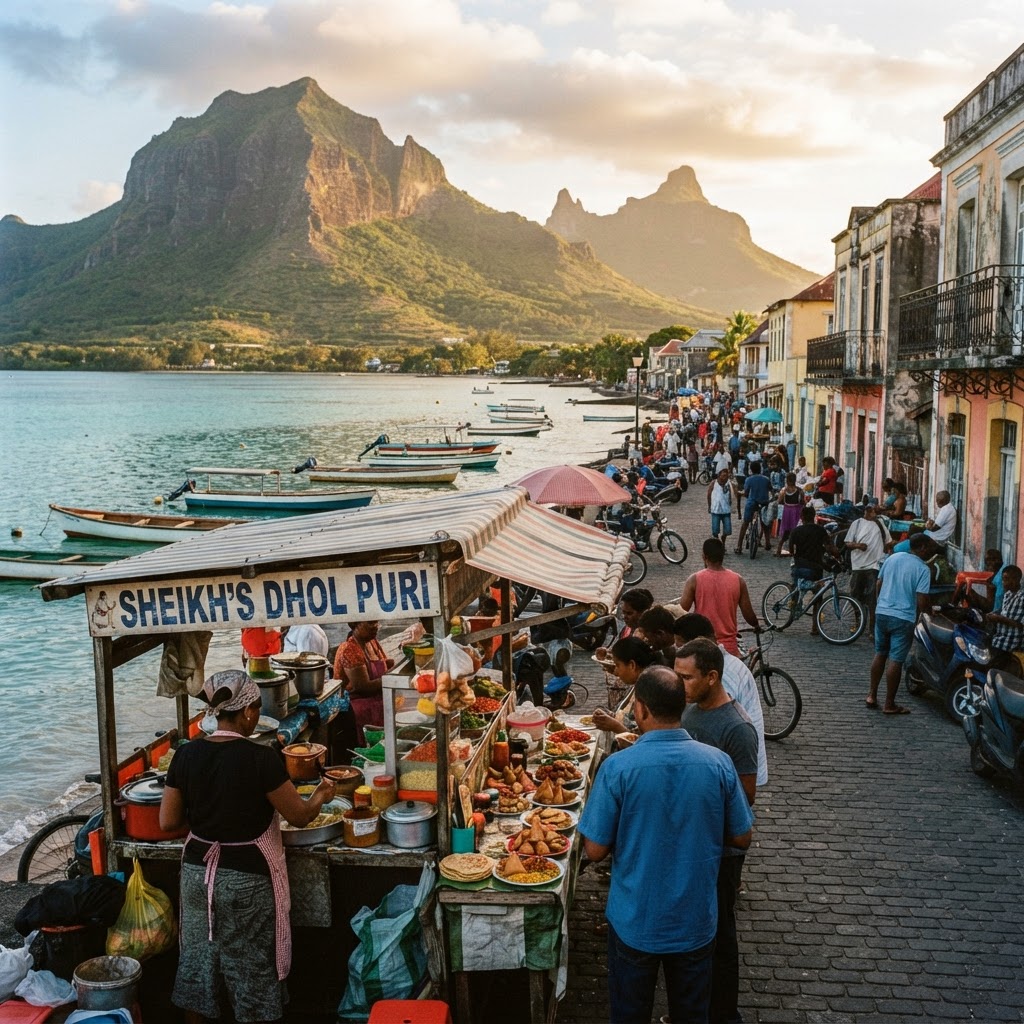
Volcanic peaks, coral lagoons, and complex Creole street food far beyond standard resort gates.
Plan & book
Sort your Mauritius trip in one place.
We point you to the booking tools we'd actually use — live prices, no markup. Or let us build the day-by-day plan around you first, then book.
Mauritius is frequently miscategorized as merely a fly-and-flop honeymoon enclave, but staying solely inside an all-inclusive compound misses what makes the island distinctive. An isolated volcanic outpost ringed by barrier reefs, it blends Franco-Mauritian heritage, Indian indentured labor history, Chinese merchant routes, and African roots into one dense, layered territory. Beyond the powdery sand of Trou aux Biches and the basalt monolith of Le Morne Brabant, you encounter misty primary rainforests in Black River Gorges, street corners serving hot split-pea dholl puri, and quiet coastal fishing outposts that reward travelers willing to navigate the island on four wheels.
10 to 12 days
Build your own trip with these prebuilt itineraries
Each one is a tested, day-by-day plan for Mauritius — start here, then make it yours.
10 Days in Mauritius: The Wild South & Peak Adventure in Mauritius
Active outdoors and hiking focus centered on Le Morne Brabant, Black River Gorges, and kitesurfing the southern lagoons
7 Days in Mauritius: Coastal Highlights & Street Food in Mauritius
First-timer highlights combining sheltered west coast beaches, Port Louis street food markets, and catamaran sails
Go for an Indian Ocean destination that actually has a pulse outside its hotel grounds. Unlike coral atolls with little topography or local culinary depth, Mauritius delivers rugged mountain hikes, marine preserves, deep-rooted cultural intersections, and an accessible, distinct food scene that rewards active, independent exploration.
Where to stay
Getting there
Getting around
Food & drink
What it costs
Things to do
Book tours & tickets in MauritiusSkip it if
Skip Mauritius if you are seeking a fast-paced urban city break, late-night walkable club quarters, or budget island-hopping on a shoestring backpacker network. If your ideal vacation requires zero transit time and you resent driving more than 15 minutes to find dinner outside your room, atolls like the Maldives provide a simpler pure-resort format.
Destination intelligence
Updated 9/13/2026The structured record we plan every Mauritius itinerary from.
Walkability
Low. Outside concentrated pedestrian pockets like central Grand Baie or the immediate waterfront of Port Louis, towns lack continuous sidewalks, and sights are spaced miles apart along unlit coastal corridors.
Transit quality
Fair. A reliable network of slow, colorful local buses connects major villages to Port Louis and Curepipe, alongside the modern Metro Express light rail operating between Port Louis and Rose Hill/Curepipe. However, resort-to-beach connectivity remains impractical without a car or taxi.
Car needed
Yes, strongly recommended. Relying on resort-contracted taxis will cost triple what a compact rental car costs, and having your own vehicle is mandatory to hike the interior or discover street-food stands in Mahebourg and Grand Baie.
Ideal duration
10 to 12 days
Minimum useful
7 days
Peak season
October to April (Warmest weather, balmy ocean temperatures, peak festive crowds in December/January; heightened cyclone risk in January and February).
Shoulder season
May to June and September to October (Crisp sunny days, lower humidity, minimal rainfall, and fewer crowds across the beaches).
Low season
July to August (Southern hemisphere winter; pleasant 20–25°C daytime temperatures, but heavy trade winds buffet the eastern coastline).
Best for
Common mistakes
- Booking all-inclusive board and never leaving the resort gates, which isolates you from the island's best street food and diverse village life.
- Underestimating cross-island drive times; while the island looks small, single-lane village roads and sugar cane tractor traffic turn a 30-kilometer route into a 75-minute trip.
- Visiting the east coast between June and August without preparing for persistent, chilly southeasterly trade winds.
- Booking dolphin boat trips in Tamarin Bay that crowd, chase, and harass wild pods rather than using vetted eco-certified operators.
Best nearby
Readymade itineraries
Start from a tested template — then make it yours.
Ready to book
Lock in your Mauritius trip
Everything in one place. We may earn a small commission — it never costs you more.
Plan a trip to Mauritius
Pick a length and we'll build a day-by-day plan around how you travel — neighborhoods clustered, budget-aware, and editable.
Get better at planning trips like this
Occasional notes on planning smarter — no spam, unsubscribe anytime.
Plan a trip to Mauritius
Turn this guide into a day-by-day plan built around your pace, your group, and your budget.
Build my Mauritius trip