Dominican Republic
Las Terrenas, Dominican Republic
A breezy, European-influenced beach enclave stripped of mega-resort insulation.
Plan & book
Sort your Las Terrenas, Dominican Republic trip in one place.
We point you to the booking tools we'd actually use — live prices, no markup. Or let us build the day-by-day plan around you first, then book.
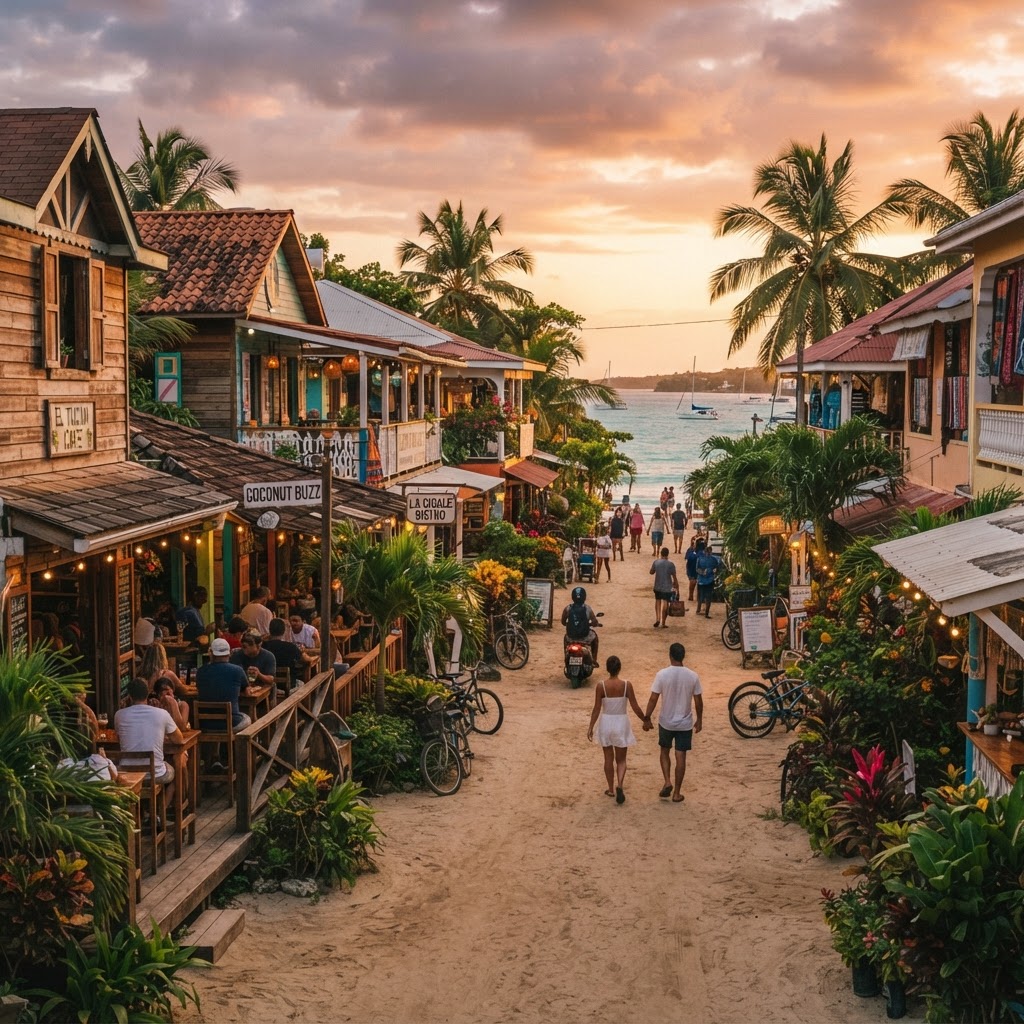
Perched on the northern shoreline of the Samaná Peninsula, Las Terrenas offers an alternative to the walled all-inclusive compounds of Punta Cana. Shaped by a decades-old influx of French and Italian expatriates woven into Dominican coastal culture, this bustling seaside town pairs bakeries and wood-fired pizzerias with rugged coconut palms, wild Atlantic beaches, and motoconcho-lined thoroughfares. It is a slow-travel redoubt where daily life revolves around tide charts, open-air seafood shacks, and scooter rides rather than hotel schedules.
5 to 7 days
Best time
Mid-January through April offers the driest beach conditions and peak humpback whale activity.
Build your own trip with these prebuilt itineraries
Each one is a tested, day-by-day plan for Las Terrenas, Dominican Republic — start here, then make it yours.
7 Days of Slow Living & Coastal Flavors in Las Terrenas
Relaxed, slow-paced itinerary combining remote work beach cafés, European-Caribbean fusion dining, and unhurried day trips around the Samaná Peninsula
6 Days: The Complete ATV & Nature Explorer in Las Terrenas
Active adventure exploring rugged headlands by ATV, Salto El Limón waterfall hiking, and remote shores from Playa Cosón to Playa Morón
4 Days of Coastal Romance & Hidden Coves in Las Terrenas
Romantic escape focused on quiet beaches like Playa Bonita, sunset beachfront French-Dominican dining, and secluded coastal walks
Go for genuine independent Caribbean beach living without resort bubble insulation. Las Terrenas gives travelers access to some of the country's cleanest and most distinct stretches of sand—from the sheltered paddleboard waters of Playa Bonita to the untamed breakers of Playa Cosón—alongside a vibrant dining scene featuring freshly caught fish cooked over open flames and authentic Neapolitan pizza. It provides an authentic regional immersion where you interact with working Dominican neighborhoods while enjoying quiet coastal luxury.
Where to stay
Getting there
Getting around
Food & drink
What it costs
Skip it if
Skip Las Terrenas if you demand polished, sanitized mega-resort amenities with butler service and manicured grounds, or if you get anxious sharing dirt roads with weaving scooters, quad bikes, and active local traffic. Travelers looking for rowdy, curated party scenes will find the late-night options limited and laid-back.
When to go
This window brings calm ocean conditions and minimal rain along the Samaná Peninsula, plus migrating humpbacks in nearby Samaná Bay. Tradeoffs are elevated boutique room rates and crowded sands over Easter week.
Peak (December to April)
Lowest rainfall, balmy evenings, and active whale migrations nearby. Expect higher nightly rates and advance booking requirements for beachfront hotels.
Shoulder (May to July & November)
Warm sea temperatures, fewer visitors, and lower accommodation rates, offset by brief, heavy afternoon showers.
Low (August to October)
Peak Atlantic hurricane season with muggy heat, higher tropical rain odds, and several expat-run restaurants shuttered for annual breaks.
Neighborhoods
Where you stay shapes the trip. Here's how to think about it.
Playa Bonita
Paved beachfront boardwalk, surf breaks, and quiet low-rise boutique hotels shaded by coconut groves.
Best for:Couples, surf enthusiasts, and anyone prioritizing tranquil walks over town nightlife.
Don't miss:Catching sunset cocktails at Hotel Atlantis or surfing beginner-friendly green waves at Carolina Surf School.
Punta Popy
Energetic, palm-lined beach strip packed with casual seafood spots, kitesurf launches, and sunset aperitivos.
Best for:Social travelers, water-sports enthusiasts, and visitors who want beach bars within strolling distance.
Don't miss:Watching the afternoon kitesurfers launch directly off the sandbar while sipping a cold Presidente at Mojito Bar.
Playa Las Ballenas
Wide, sheltered bay with calm swimming waters, upscale rental villas, and toes-in-the-sand Italian dining.
Best for:Families with small children, calm-water swimmers, and long-term villa rentals.
Don't miss:Wood-fired dining right on the sand at Eden Beach Club followed by a stroll toward the calm river mouth.
Pueblo de los Pescadores & Centro
Bustling town crossroad where expat bakeries, motoconcho hum, and open-air beachfront fish shacks meet.
Best for:First-timers without a vehicle, digital nomads needing reliable fiber internet, and food lovers.
Don't miss:Morning croissants and espresso at Boulangerie Française followed by fresh fried red snapper on Calle Duarte.
Playa Cosón
Wild, untamed golden beach stretching for miles against rugged cliffside jungle and pounding ocean surf.
Best for:Travelers with rented ATVs or rental cars who crave complete seclusion away from street traffic.
Don't miss:A long, lazy seafood lunch of grilled whole lobster at the legendary sand-floor Luis Restaurant.
Destination intelligence
Updated 9/14/2026The structured record we plan every Las Terrenas, Dominican Republic itinerary from.
Walkability
Moderate: pockets like Playa Bonita or town center are very walkable, but reaching distant beaches requires wheels.
Transit quality
Limited: no formal urban transit except intercity Asotrapusa buses, local guaguas, and hailing motoconchos.
Car needed
Helpful: renting an ATV or car is ideal for exploring dispersed beaches, though in-town stays can manage with motoconchos.
Ideal duration
5 to 7 days
Minimum useful
3 days
Peak season
December to April (dry, sunny, whale watching season nearby in Samaná Bay)
Shoulder season
May to July and November (warm sea temperatures, fewer crowds, occasional afternoon showers)
Low season
August to October (peak Atlantic hurricane season, humid with higher rainfall risk)
Best for
Common mistakes
- Relying solely on walking without budgeting for an ATV, scooter, or regular taxi fares across the spread-out coastal road
- Rushing through on a 24-hour day trip from Punta Cana, spending 8 hours in transit for an exhausting glimpse
- Staying right on the noisy main coastal thoroughfare in town if sensitive to motorcycle traffic and bar music
- Failing to carry cash in Dominican Pesos, as small beach shacks and motoconchos rarely accept credit cards
- Booking horseback excursions to El Limón without verifying guide ethics and animal treatment beforehand
Best nearby
See what a trip to Dominican Republic actually costs. Travel Budget Co.
How to plan it
- Stay in Playa Bonita if you want quiet surf-town calm, but pick Punta Popy if you want easy barefoot walking to dinner.
- Do not attempt a day trip to Salto El Limón on a rental scooter; hire an ATV or join an early morning guided vehicle excursion before tour buses arrive at 11:00 AM.
- Pair your stay with 2 nights in Santo Domingo's Ciudad Colonial on your way through SDQ rather than doing the long highway haul straight off a late flight.
- Book whale-watching charters out of Samaná Bay at least one week ahead if visiting between mid-January and late March.
- Dedicate one full midday stretch to Playa Cosón solely for a slow-cooked lobster lunch at Luis Restaurant.
Questions
Readymade itineraries
Start from a tested template — then make it yours.
Ready to book
Lock in your Las Terrenas, Dominican Republic trip
Everything in one place. We may earn a small commission — it never costs you more.
Plan a trip to Las Terrenas, Dominican Republic
Pick a length and we'll build a day-by-day plan around how you travel — neighborhoods clustered, budget-aware, and editable.
Get better at planning trips like this
Occasional notes on planning smarter — no spam, unsubscribe anytime.
Plan a trip to Las Terrenas, Dominican Republic
Turn this guide into a day-by-day plan built around your pace, your group, and your budget.
Build my Las Terrenas, Dominican Republic trip