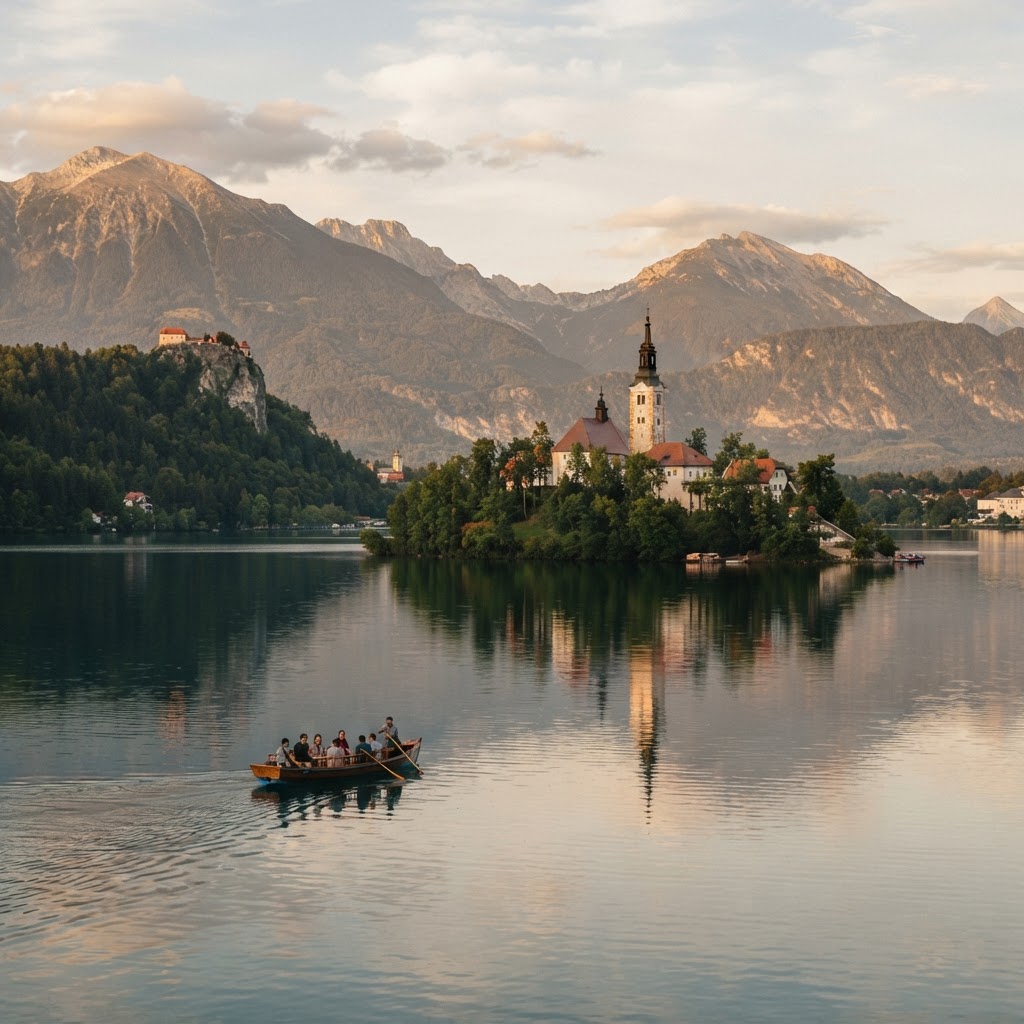
Slovenia
Lake Bled & Julian Alps Itinerary: How Many Days + Sample Plans
Glacial lakes, limestone crags, and alpine valleys without Austrian tourist bloat.
Traveler rating
Loved by outdoor hikers and trail runners.
Plan & book
Sort your Lake Bled & Julian Alps trip in one place.
We point you to the booking tools we'd actually use — live prices, no markup. Or let us build the day-by-day plan around you first, then book.
Pick your trip length
How many days do you need in Lake Bled & Julian Alps?
Each of these opens a full day-by-day plan you can make your own.
- 2 days — Two days — the essentials, no rushing.
- 3 days — Three days — the icons plus one neighborhood.
- 4 days — Four days — a full city without sprinting.
- 5 days — Five days — room for a day trip.
- 7 days — A week — the city at a human pace.
- With Kids trip — Shorter days, earlier dinners, what to skip.
- For Couples trip — Two-person pacing with evenings built in.
- Solo trip — A plan that works well on your own.
- Food trip — Meals and markets as the anchors.
- Outdoors trip — Nature, walks and open air.
- Culture trip — History, museums and the streets around them.
Lake Bled is Slovenia's postcard icon, but treating it as a quick half-day selfie stop misses the broader Julian Alps. Within an hour of Bled's iconic island and cliffside fortress lie the wilder waters of Lake Bohinj, the limestone canyons of Triglav National Park, and rugged mountain passes like Vršič. Together, they form one of Europe's most accessible yet dramatic outdoor hubs, offering alpine scale with manageable driving distances.
4 to 5 days
Best time
Mid-May to June or September to early October for crisp hiking weather and uncrowded mountain passes.
Build your own trip with these prebuilt itineraries
Each one is a tested, day-by-day plan for Lake Bled & Julian Alps — start here, then make it yours.
5 Days Julian Alps Adventure in Lake Bled & Julian Alps
Triglav National Park hiking, Vršič Pass hairpin drive, and Soča River emerald rafting
3 Days Lakes Bled & Bohinj in Lake Bled & Julian Alps
Dual-lake route adding quiet Lake Bohinj, Savica Waterfall, and Vogel cable car
2 Days Bled Essentials in Lake Bled & Julian Alps
Bled Island pletna boat, Bled Castle panorama, and Vintgar Gorge boardwalks
The Upper Carniola region packs jaw-dropping glacial scenery into remarkably compact transit corridors. In under 45 minutes, you can shift from paddling around Bled Island's 17th-century church to taking the Vogel Cable Car up into high-alpine limestone ridges above Lake Bohinj, or hiking along wooden boardwalks over the turquoise Radovna River in Vintgar Gorge.
Where to stay
Getting there
Getting around
Food & drink
What it costs
Things to do
Book tours & tickets in Lake Bled & Julian AlpsSkip it if
Skip staying in Lake Bled proper if you detest tour buses, group crowds, and manicured tourist towns; head straight to Lake Bohinj, Bovec, or the Logar Valley instead.
When to go
High summer (July to August) brings bath-warm lake swimming, but triggers heavy traffic around Lake Bled, scarce parking at trailheads, and packed gorge boardwalks. Late spring and early autumn preserve full mountain trail and pass access while dodging tour buses.
Peak (July to August)
Warmest swimming temperatures and active lake life, but expect bumper-to-bumper lakeside traffic, packed Vintgar Gorge slots, and full trailhead parking by 8:00 AM.
Shoulder (May to June & September to October)
Crisp morning air, vibrant wildflower blooms or golden larch foliage, fully open mountain passes like Vršič, and significantly calmer lakeside paths.
Low (November to April)
Sub-zero temperatures and high alpine snowpack that closes high passes and alpine huts; great for quiet winter scenery, frozen lakes, and local skiing.
Neighborhoods
Where you stay shapes the trip. Here's how to think about it.
Bled Town Center (Grad & Jezero)
Bustling resort hub with concentrated amenities, pedestrian promenades, and direct views of the cliffside castle.
Best for:First-timers, travelers without a car, and families wanting easy dining and boat rentals.
Don't miss:The quiet 6-kilometer sunrise lap around the lake perimeter path before tour buses arrive.
Mlino & Zaka (Lake Bled South & West Shores)
Rambling lakeside hamlets flanked by beech woods, historic villas, and quiet bathing pontoons.
Best for:Couples, wild swimmers, and hikers wanting immediate access to the western viewpoints.
Don't miss:Hiring a private wooden rowboat from the public lido to row yourself straight to the island church.
Ribčev Laz & Ukanc (Lake Bohinj)
Rugged, low-key alpine wilderness base where national park regulations keep massive commercial developments away.
Best for:Hikers, paddleboarders, and outdoor purists looking to escape tourist coach crowds.
Don't miss:The Vogel Cable Car ascent out of Ukanc for panoramic views across the Julian Alps ridge line.
Kranjska Gora
Classic high-valley alpine mountain resort at the triple border of Slovenia, Italy, and Austria.
Best for:Road-trippers driving mountain passes, active trail runners, and shoulder-season road cyclists.
Don't miss:Watching the early morning light hit the limestone faces across Lake Jasna before tackling the mountain pass.
Radovljica
Intact medieval town perched on an elevated terrace 7 kilometers east of Bled, rich in regional food heritage.
Best for:Food-focused travelers, architecture buffs, and anyone seeking local village life away from lakeside rates.
Don't miss:Traditional Carniolan buckwheat dumplings and honey gingerbread inside the 16th-century Linhart Square.
Destination intelligence
Updated 10/6/2026The structured record we plan every Lake Bled & Julian Alps itinerary from.
Walkability
High around Lake Bled's lakeside loop and within individual villages; low for reaching national park trailheads without transport.
Transit quality
Moderate; hourly buses link Ljubljana, Bled, and Bohinj, but regional frequencies to remote trailheads and gorges are limited.
Car needed
Recommended for full access to mountain passes, Pokljuka trailheads, and Bohinj back roads, though optional if sticking strictly to Bled town.
Ideal duration
4 to 5 days
Minimum useful
2 days
Peak season
July to August (warm swimming temperatures, heavy traffic on Bled's perimeter, packed parking, crowded gorges).
Shoulder season
May to June and September to October (crisp hiking weather, vibrant autumn foliage or alpine blooms, significantly thinner crowds).
Low season
November to March (quiet, frosty mornings and winter photography; high alpine passes like Vršič close for snow).
Best for
Common mistakes
- Treating Lake Bled as a mere two-hour day trip from Ljubljana and leaving before the tour bus crowds thin out in the evening.
- Attempting to park right along the Bled lakeshore during mid-day summer peak; lots fill early and street fines are strictly enforced.
- Skipping Lake Bohinj entirely—it is larger, wilder, and vastly less commercialized than Bled.
- Hiking without proper mountain rain gear; alpine weather in the Julian Alps can switch from radiant sun to severe thunderstorms within an hour.
Best nearby
How to plan it
- Stay in Bled town if you are traveling car-free; base in Ribčev Laz or Ukanc (Lake Bohinj) if you have a car and prefer alpine tranquility over tourist amenities.
- Do not commute over the Vršič Pass back and forth in one day; drive it as a one-way crossing when transitioning between the lakes region and the Soča Valley.
- Pre-book your timed morning entrance slot for Vintgar Gorge online at least 3 to 5 days ahead during summer to avoid peak midday tour bus congestion.
- Hike up to the Ojstrica or Mala Osojnica viewpoints before 7:00 AM; the steep climb is shaded and you beat both the morning sun and tripod crowds.
- Dedicate at least one full day exclusively to Lake Bohinj instead of treating it as a quick two-hour side trip from Bled.
Questions
More in Slovenia
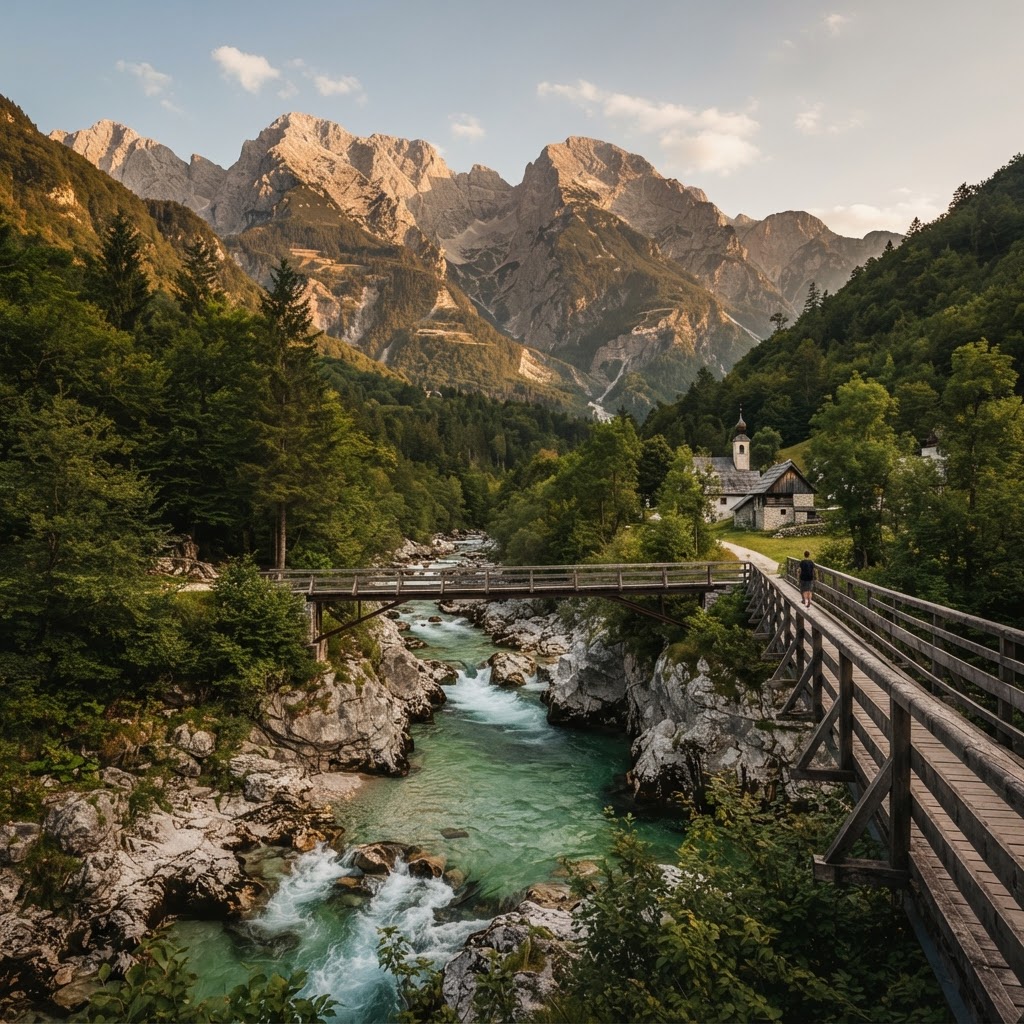
Soča Valley
Slovenia
Emerald alpine rapids, limestone gorges, and poignant World War I mountain ridges.
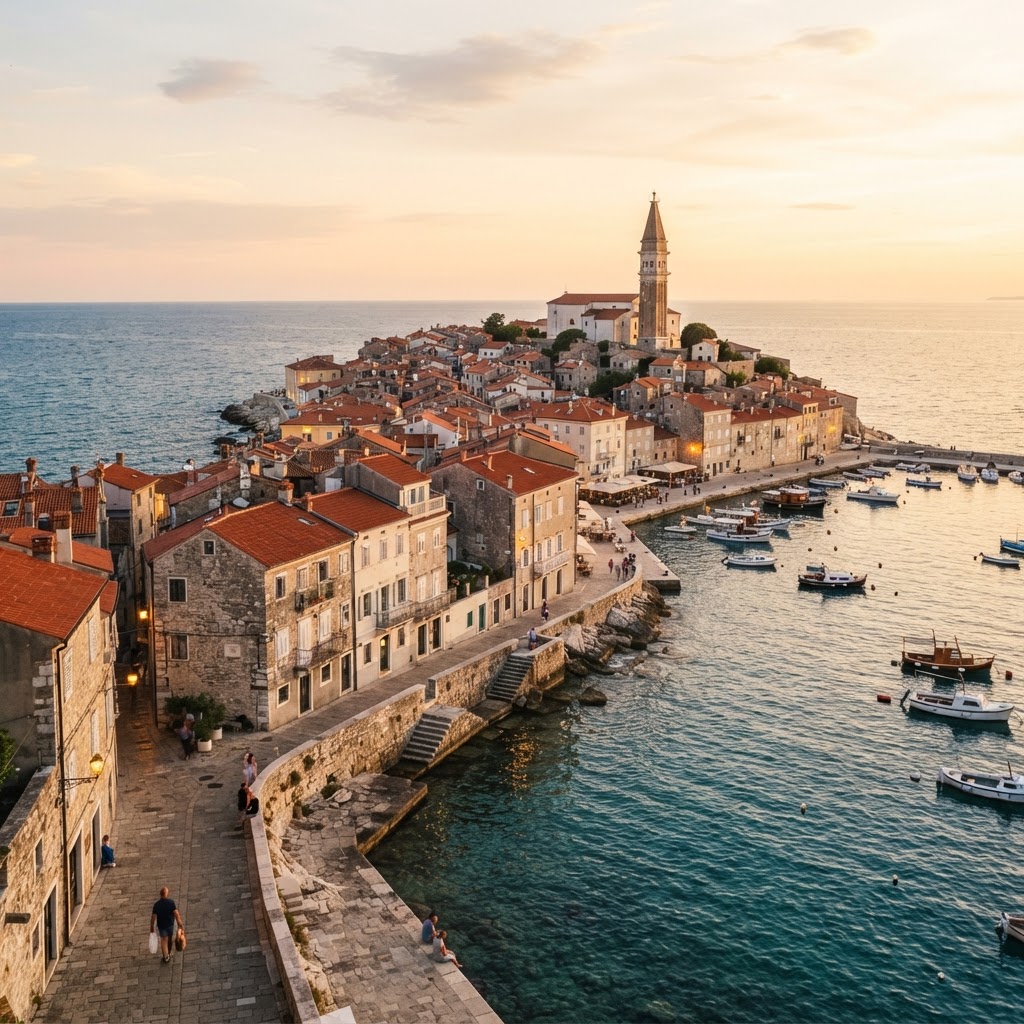
Piran
Slovenia
Slovenia's narrow Venetian peninsula of salt, stone alleys, and open Adriatic water
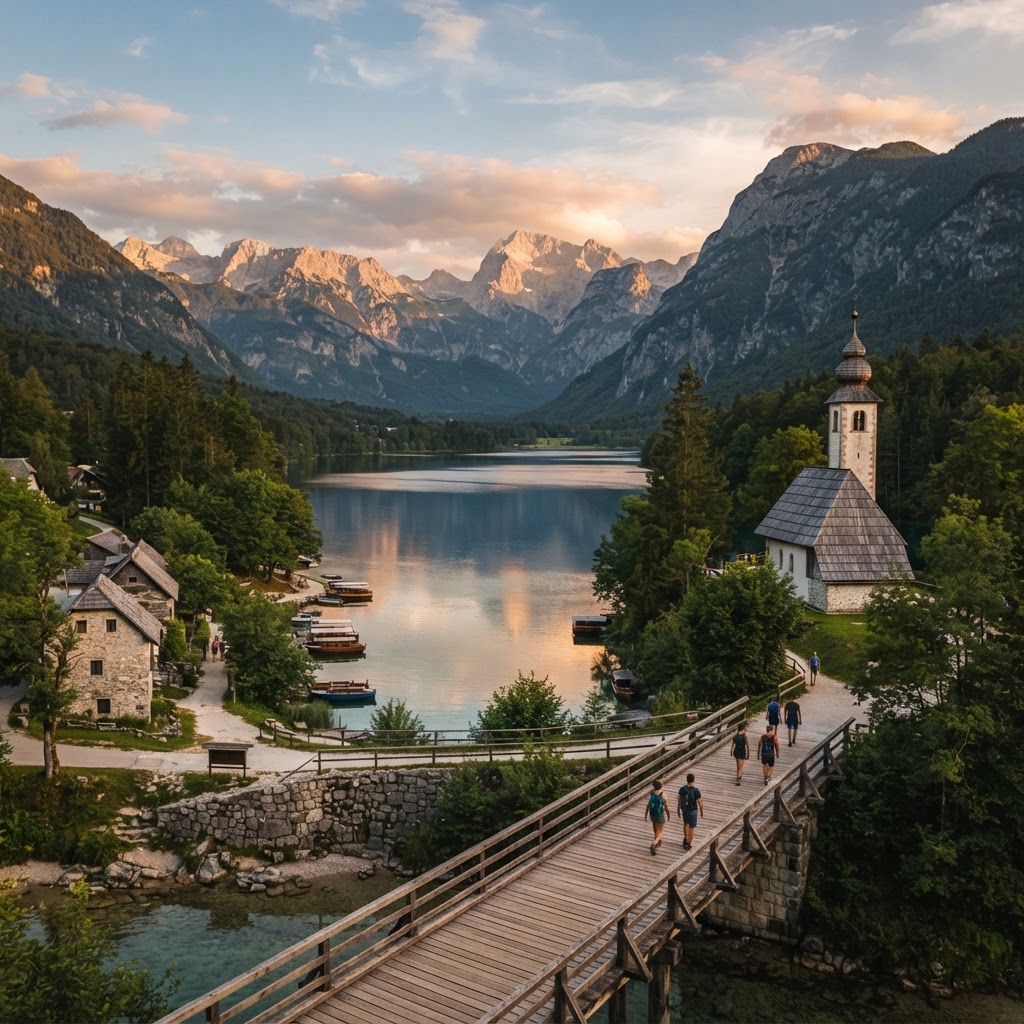
Lake Bohinj, Slovenia
Slovenia
The rugged, wild alpine foil to Lake Bled, anchored inside Triglav National Park.
Readymade itineraries
Start from a tested template — then make it yours.
Ready to book
Lock in your Lake Bled & Julian Alps trip
Everything in one place. We may earn a small commission — it never costs you more.
Plan a trip to Lake Bled & Julian Alps
Pick a length and we'll build a day-by-day plan around how you travel — neighborhoods clustered, budget-aware, and editable.
Get better at planning trips like this
Occasional notes on planning smarter — no spam, unsubscribe anytime.
Plan a trip to Lake Bled & Julian Alps
Turn this guide into a day-by-day plan built around your pace, your group, and your budget.
Build my Lake Bled & Julian Alps trip