Guatemala
Lake Atitlán Itinerary: How Many Days + Sample Plans
Volcanic rim sanctuary where Mayan traditions meet boat-only transit.
Traveler rating
Loved by cultural immersion and traditional indigenous arts.
Plan & book
Sort your Lake Atitlán trip in one place.
We point you to the booking tools we'd actually use — live prices, no markup. Or let us build the day-by-day plan around you first, then book.
Pick your trip length
How many days do you need in Lake Atitlán?
Each of these opens a full day-by-day plan you can make your own.
- 2 days — Two days — the essentials, no rushing.
- 3 days — Three days — the icons plus one neighborhood.
- 4 days — Four days — a full city without sprinting.
- 5 days — Five days — room for a day trip.
- 7 days — A week — the city at a human pace.
- With Kids trip — Shorter days, earlier dinners, what to skip.
- For Couples trip — Two-person pacing with evenings built in.
- Solo trip — A plan that works well on your own.
- Food trip — Meals and markets as the anchors.
- Outdoors trip — Nature, walks and open air.
- Culture trip — History, museums and the streets around them.
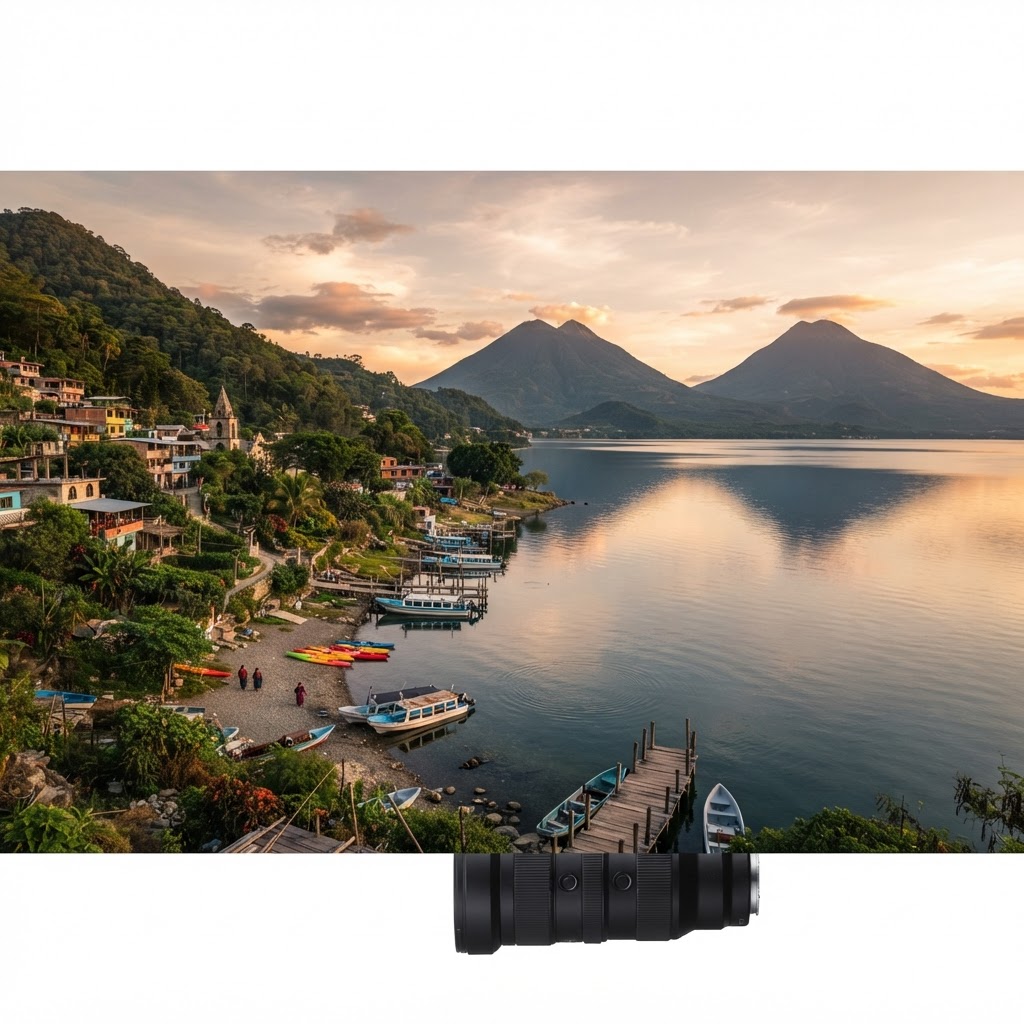
Ringed by three massive stratovolcanoes and steep crater walls, Lake Atitlán is not a single resort hub but a constellation of distinct Mayan villages, each shaped by separate linguistic groups, artisanal traditions, and modern expat enclaves. Transit relies heavily on motorized water taxis rather than highways, creating an immersive, slow-paced alpine lake ecosystem unlike anywhere else in Central America.
4 to 5 days
Best time
November to February for cloudless volcanic panoramas and calm morning boat crossings.
Build your own trip with these prebuilt itineraries
Each one is a tested, day-by-day plan for Lake Atitlán — start here, then make it yours.
10 Days in Lake Atitlán
Combined Antigua Guatemala & Full Lake Atitlán Slow Travel Circuit
7 Days in Lake Atitlán
Wellness, Hiking & Volcano Views Around the Lake
5 Days in Lake Atitlán
Lake Atitlán Village Hopping & Mayan Artisan Traditions
Lake Atitlán provides an authentic encounter with highland Tz'utujil and Kaqchikel Mayan culture paired with world-class volcanic geology. Because road connectivity between northern rim villages is almost nonexistent, daily movement requires public boat travel (lanchas), forcing travelers to slow down and experience towns that retain distinct micro-cultures—from textile dyeing collectives in San Juan to sacred syncretic spiritual shrines in Santiago.
Where to stay
Getting there
Getting around
Food & drink
What it costs
Things to do
Book tours & tickets in Lake AtitlánSkip it if
Skip Lake Atitlán if you require seamless mobility access (most cliff villages, docks, and accommodations involve steep stone staircases and uneven surfaces), if you panic on choppy boat transfers, or if you only have a single open day in Guatemala, which is better allocated to Antigua.
When to go
Dry season gives you clear sunrise skies over the volcanoes and manageable lake waters, whereas late spring gets windy and June through October brings heavy afternoon squalls that complicate boat transit.
Peak (December to April)
Expect radiant blue skies and crisp nights, but brace for peak lodging rates and strong afternoon 'Xocomil' winds by March and April that make boat rides rough.
Shoulder (May and October to November)
November is the sweet spot: hillsides remain vibrant green from departing rains, crowds are thin, and weather clears rapidly before holiday surges.
Low (June to September)
Heavy afternoon downpours and lightning storms hit daily; travel is cheap, but boat schedules get delayed and outdoor volcano treks turn slippery.
Neighborhoods
Where you stay shapes the trip. Here's how to think about it.
San Juan La Laguna
Immaculate Tz'utujil artist enclave filled with street murals and natural dye cooperatives.
Best for:Culture lovers, shoppers, and travelers seeking an authentic, calm town feel
Don't miss:Asociación Casa Flor Ixcaco to watch backstrap weaving and organic plant-dyeing demonstrations.
San Marcos La Laguna
Holistic barefoot community of yoga shalas, vegan cafes, and quiet hillside retreats.
Best for:Wellness seekers, solo travelers, and retreat guests
Don't miss:The wooden jumping platform and walking trails inside Reserva Natural del Cerro Tzankujil.
Santa Cruz La Laguna
Steep, cliffside tranquility accessible largely by water with unmatched volcanic panoramas.
Best for:Hikers, couples, and travelers wanting complete detachment from vehicle traffic
Don't miss:A lakeside lunch at Cafe Sabor Cruceño, run by the local CECAP vocational culinary school.
San Pedro La Laguna
Lively lakeside hub defined by Spanish-language schools, backpacker social spots, and trailheads.
Best for:Budget travelers, active hikers, and Spanish-immersion students
Don't miss:The steep predawn ascent up Volcán San Pedro or the sunrise hike to Rostro Maya (Indian Nose).
Santiago Atitlán
Deeply traditional Tz'utujil market capital framed between volcanoes Tolimán and San Pedro.
Best for:Day-trippers seeking living indigenous heritage away from Western wellness circles
Don't miss:Visiting the shrine of the syncratic folk saint Maximón (Rilaj Maam) in his rotating family house.
Panajachel (Pana)
Bustling transit and logistics gateway packed with souvenir stalls, ATMs, and tour offices.
Best for:First-night arrivals, quick logistical pivots, and travelers who dislike frequent boat transfers
Don't miss:Browsing traditional hand-loomed textiles along Calle Santander before catching the ferry across.
Destination intelligence
Updated 10/6/2026The structured record we plan every Lake Atitlán itinerary from.
Walkability
Medium within individual compact village centers, but challenging overall due to extreme verticality, cobblestone inclines, and boat-dependent village hops.
Transit quality
High on the water via frequent lanchas between 6:30 AM and 5:30 PM; limited road transit between northern cliff towns.
Car needed
No (strongly discouraged; roads do not connect the primary village circuit smoothly and boats serve as the primary transit).
Ideal duration
4 to 5 days
Minimum useful
3 days
Peak season
December to April (dry season featuring clear blue volcanic skies, calm morning water, and crisp highland evenings).
Shoulder season
May and October to November (transitional weather with afternoon cloud cover, lush green hillsides, and thinner tourist traffic).
Low season
June through September (rainy season characterized by intense afternoon downpours and heavier water chop from the Xocomil wind).
Best for
Common mistakes
- Attempting Lake Atitlán as an exhausting day trip from Antigua, losing 6 to 7 hours roundtrip to mountainous highway traffic
- Missing the final public lancha back to your home village around 5:30 PM, requiring expensive private boat hires across choppy waters
- Renting a car in Guatemala City, which results in paying parking fees in Panajachel while the car sits idle for the duration of the trip
- Walking between isolated lakeside villages along quiet footpaths instead of taking a boat or authorized transport, risking trail muggings
- Failing to carry enough cash in small Guatemalan Quetzal denominations; village ATMs are notoriously unreliable or run out of funds on weekends
Best nearby
See what a trip to Guatemala actually costs. Travel Budget Co.
How to plan it
- Base yourself in one village rather than changing hotels every two nights; boat hopping with luggage across choppy afternoon docks will drain your stamina.
- Schedule all your lancha transit, kayaking, and open-water crossings before 1:00 PM before the fierce Xocomil wind churns up hazardous whitecaps.
- Pair Lake Atitlán directly with Antigua using a shared or private tourist shuttle; the shared drive takes 3 to 4 hours via the Pan-American Highway.
- Do not attempt to hike Rostro Maya (Indian Nose) alone at sunrise without a local indigenous community guide from San Juan or Santa Clara.
- Carry sufficient Guatemalan Quetzales in small denominations; village ATMs in San Marcos and San Juan run dry regularly on weekends.
Questions
Readymade itineraries
Start from a tested template — then make it yours.
Ready to book
Lock in your Lake Atitlán trip
Everything in one place. We may earn a small commission — it never costs you more.
Plan a trip to Lake Atitlán
Pick a length and we'll build a day-by-day plan around how you travel — neighborhoods clustered, budget-aware, and editable.
Get better at planning trips like this
Occasional notes on planning smarter — no spam, unsubscribe anytime.
Plan a trip to Lake Atitlán
Turn this guide into a day-by-day plan built around your pace, your group, and your budget.
Build my Lake Atitlán trip