South Africa
Greater Kruger National Park
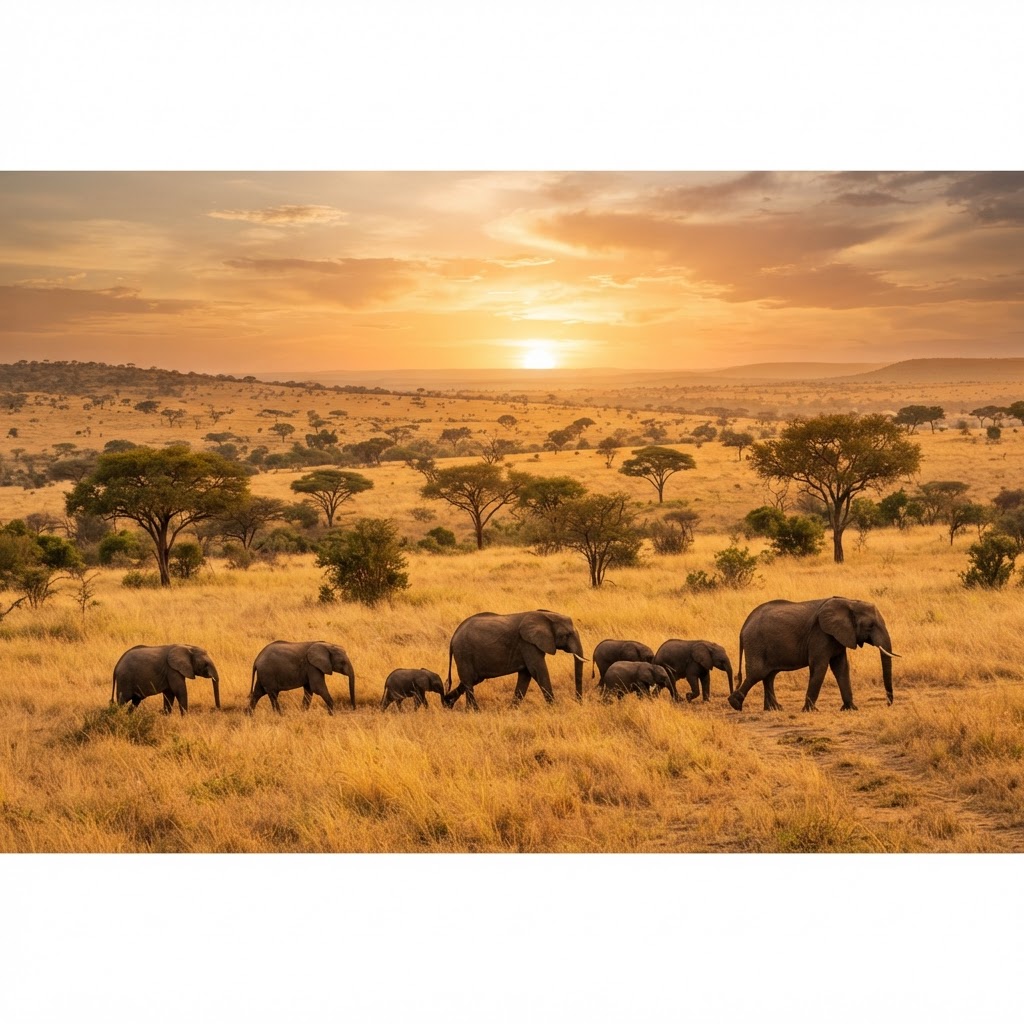
Two million hectares of premier African wilderness, where DIY self-drivers and ultra-luxury private reserves share the same unfenced bush.
Plan & book
Sort your Greater Kruger National Park trip in one place.
We point you to the booking tools we'd actually use — live prices, no markup. Or let us build the day-by-day plan around you first, then book.
Greater Kruger encompasses South Africa's flagship public national park and an adjacent ring of premier unfenced private game reserves, most notably Sabi Sand, Timbavati, and Manyeleti. It represents one of the world's most accessible, biodiverse safari ecosystems. Here, self-drivers can pilot a rental hatchback down paved corridors between rustic SANParks rest camps, while travelers at private concession lodges track leopards off-road in open-sided 4x4s with dedicated trackers. The park offers an egalitarian spectrum of wilderness travel found nowhere else on the continent.
5 to 6 days
Build your own trip with these prebuilt itineraries
Each one is a tested, day-by-day plan for Greater Kruger National Park — start here, then make it yours.
3 Days in Kruger National Park (Greater)
Big Five Safari in Sabi Sand Private Game Reserve
5 Days in Kruger National Park (Greater)
Complete Kruger Safari & Panorama Route Road Trip
2 Days in Kruger National Park (Greater)
Southern Kruger Self-Drive Safari from Nelspruit
Greater Kruger gives you unmatched freedom of choice in how you experience wild Africa. Unlike the Maasai Mara or Serengeti, where you are tethered to private safari vehicles and strict concessions, Kruger allows you to rent a vehicle, buy a map, braai outside your own bungalow, and spot the Big Five at your own pace. Simultaneously, its private western reserves boast the highest density of habituated leopard sightings on earth, paired with top-tier guiding and uncrowded sightings.
Where to stay
Getting there
Getting around
Food & drink
What it costs
Skip it if
Skip Greater Kruger if you cannot tolerate malaria-risk regions (opt for malaria-free alternatives like Madikwe or the Eastern Cape instead), or if you require vibrant nightlife and walking cities. It is also not suitable for travelers who become impatient with long, methodical hours sitting quietly inside vehicles searching for wildlife.
Destination intelligence
Updated 9/12/2026The structured record we plan every Greater Kruger National Park itinerary from.
Walkability
Non-existent for transit. Walking outside designated fenced rest camps, fenced picnic sites, or without armed SANParks trail guides is strictly illegal and life-threatening.
Transit quality
None. There is zero public transit within Kruger National Park. You must have a rental vehicle, book private lodge road transfers, or rely on game-drive vehicles.
Car needed
Car required for all self-drive safaris and public rest camp stays. Travelers booking all-inclusive private lodges in Sabi Sand or Timbavati do not need a car if using fly-in bush charters or pre-arranged lodge road transfers.
Ideal duration
5 to 6 days
Minimum useful
3 days
Peak season
July to September: the heart of the dry winter season brings thinning vegetation, concentrated animal activity around water sources, mild daytime temperatures, and minimal malaria risk, alongside higher school holiday crowds.
Shoulder season
May to June (early dry winter with crisp, cold mornings and clear roads) and October to November (spring transition, hot weather, first rains, and birthing season for plains game).
Low season
January to March: hot, humid summer months with frequent afternoon thunderstorms, lush dense bush that makes wildlife spotting harder, and elevated mosquito activity, balanced by excellent migratory birding and low crowd levels.
Best for
Common mistakes
- Covering too much mileage instead of staking out active loops and waterholes; speeding past sightings and burning out on long road segments.
- Arriving at camp gates after statutory sunset curfew, which incurs heavy fines and risks park bans.
- Renting a low-clearance compact car when a small SUV or crossover provides noticeably better sightlines over roadside bush grass.
- Visiting Kruger as a hurried day trip from Nelspruit or Hazyview rather than staying inside the park gates or inside a private reserve.
- Neglecting anti-malarial precautions, especially during the rainy summer months from October to April.
Best nearby
See what a trip to South Africa actually costs. Travel Budget Co.
Readymade itineraries
Start from a tested template — then make it yours.
Ready to book
Lock in your Greater Kruger National Park trip
Everything in one place. We may earn a small commission — it never costs you more.
Plan a trip to Greater Kruger National Park
Pick a length and we'll build a day-by-day plan around how you travel — neighborhoods clustered, budget-aware, and editable.
Get better at planning trips like this
Occasional notes on planning smarter — no spam, unsubscribe anytime.
Plan a trip to Greater Kruger National Park
Turn this guide into a day-by-day plan built around your pace, your group, and your budget.
Build my Greater Kruger National Park trip