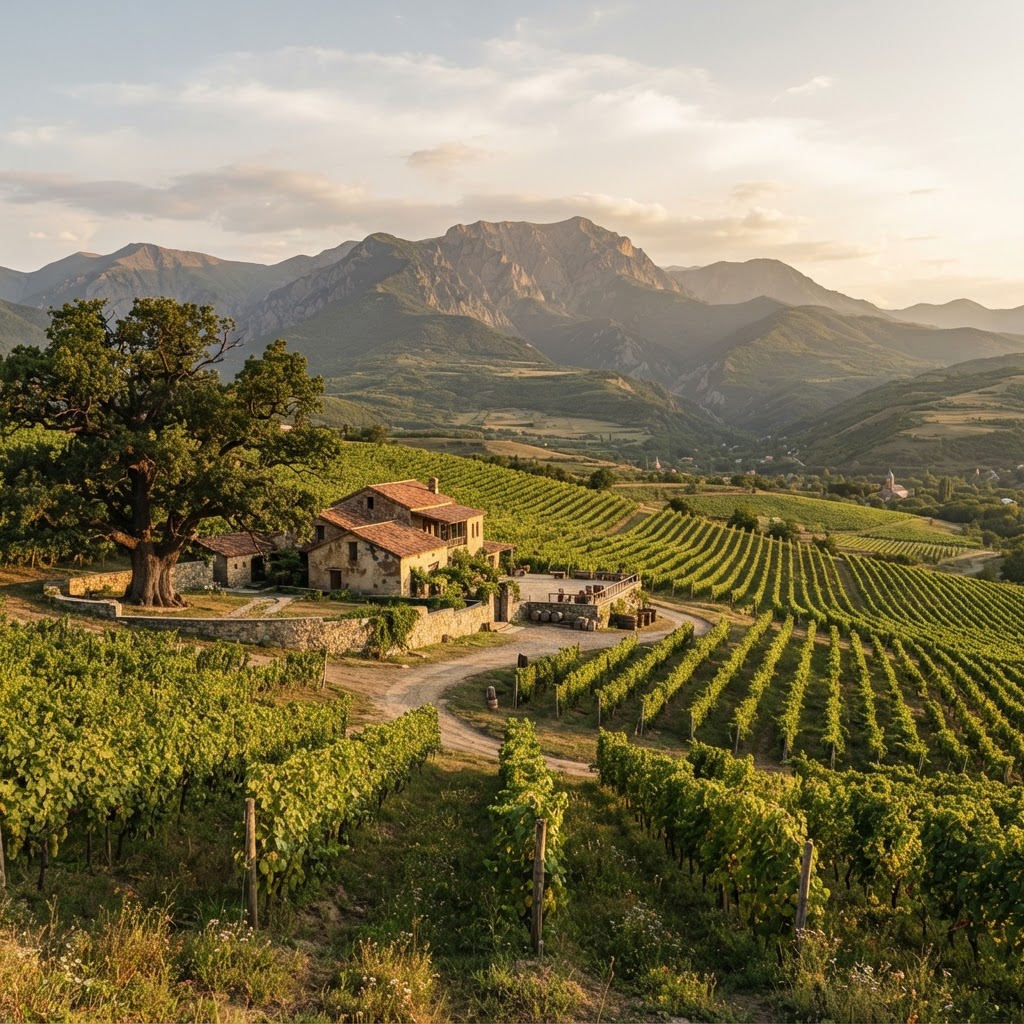
Georgia
Kakheti Wine Region, Georgia Itinerary: How Many Days + Sample Plans
Ancient clay qvevri, mountain-backed vineyards, and deep supra hospitality.
Traveler rating
Loved by natural and low-intervention wine enthusiasts seeking authentic amber/qvevri styles.
Plan & book
Sort your Kakheti Wine Region, Georgia trip in one place.
We point you to the booking tools we'd actually use — live prices, no markup. Or let us build the day-by-day plan around you first, then book.
Pick your trip length
How many days do you need in Kakheti Wine Region, Georgia?
Each of these opens a full day-by-day plan you can make your own.
- 2 days — Two days — the essentials, no rushing.
- 3 days — Three days — the icons plus one neighborhood.
- 4 days — Four days — a full city without sprinting.
- 5 days — Five days — room for a day trip.
- 7 days — A week — the city at a human pace.
- With Kids trip — Shorter days, earlier dinners, what to skip.
- For Couples trip — Two-person pacing with evenings built in.
- Solo trip — A plan that works well on your own.
- Food trip — Meals and markets as the anchors.
- Outdoors trip — Nature, walks and open air.
- Culture trip — History, museums and the streets around them.
Kakheti is the emotional and viticultural center of Georgia, holding claim to an 8,000-year continuous winemaking heritage grounded in subterranean clay jars called qvevri. Flanked by the Caucasus Mountains across the wide Alazani Valley, this eastern province alternates between fortified hilltop villages like Sighnaghi and expansive, working agricultural estates around Telavi and Tsinandali. It is a slow-paced destination that rewards settling into family-run cellars (marani) and winery estates rather than rushing through on a crowded group tour.
3 nights
Best time
Mid-September to mid-October for Rtveli (grape harvest), or late May to June for pleasant weather and green vineyards.
Build your own trip with these prebuilt itineraries
Each one is a tested, day-by-day plan for Kakheti Wine Region, Georgia — start here, then make it yours.
5 Days Kakheti Wine Trail in Kakheti Wine Region
Sighnaghi hilltop town, Bodbe Monastery, and boutique qvevri wine tastings in Telavi
7 Days Wine & Fortress Explorer in Kakheti Wine Region
Alazani Valley vineyards, Gremi architectural complex, Alaverdi Cathedral, and estate dining
10 Days Deep Gastronomy & Tusheti Gateway in Kakheti Wine Region
In-depth culinary masterclasses, high-end chateaux, and cultural excursions to Davit Gareja cave monastery
Kakheti offers an immersive dive into the world's oldest living wine culture, where orange/amber wines and ink-dark Saperavis ferment on their skins in buried terracotta vessels rather than oak barrels. Beyond tastings, the rhythm of Kakheti is rooted in sprawling supra feasts, ancient polyphonic singing, fortified monasteries like Alaverdi and Gremi, and panoramic vistas stretching across the Alazani basin to the snowy peaks of Dagestan.
Where to stay
Getting there
Getting around
Food & drink
What it costs
Skip it if
Skip if your trip is under four days total (keep your time in Tbilisi), if you cannot tolerate zero-intervention or tannic amber wines, or if you refuse to hire a private driver and don't want to navigate rural Georgian driving etiquette.
When to go
Rtveli delivers energy with village harvest feasts, grape stomping, and marani activity, but prices surge and bookings require months of lead time. May through June offers clear mountain views and warm, manageable temperatures without the autumn crowds, while mid-summer can be brutally hot across the low valley floor.
Peak (Sep–Mid-Oct)
Rtveli harvest season brings grape crushing, live polyphony, and abundant hospitality, but key wineries and hotels book up months ahead and valley traffic spikes.
Shoulder (May–Jun & late Oct)
May and June feature snow on the high Caucasus peaks, comfortable walking temperatures, and lush vines; late October brings crisp mornings, golden foliage, and relaxed winemakers.
Low (Dec–Mar)
Barren vines, valley mist, and cold temperatures close down outdoor terrace dining, but prices plunge and wood-fired marani hearths offer peaceful, cozy shelter.
Neighborhoods
Where you stay shapes the trip. Here's how to think about it.
Sighnaghi Old Town
Hilltop 18th-century stone redoubt with red tile roofs, steep cobblestones, and direct sweeping views across the Alazani Valley toward Azerbaijan.
Best for:Romantic escapes, first-time visitors, and travelers who want walkable evening dining and natural wine bars without driving.
Don't miss:Walking along the fortified defensive stone wall bastions before taking a slow, long-table natural wine dinner at Pheasant's Tears.
Telavi
Unpretentious, working provincial hub with historic low-rise residential quarters, busy bazaars, and grand heritage trees.
Best for:Serious foodies, transport connectivity, and practical travelers looking for a central, logistical springboard across the Alazani Valley.
Don't miss:The sprawling Telavi Central Bazaar for fresh churchkhela, pickled jonjoli, and regional cheeses, followed by King Erekle II's Batonis Tsikhe fortress.
Tsinandali Village
Arbiter of 19th-century aristocratic viticulture with manicured parkland, manicured vineyards, and stately heritage estates.
Best for:Luxury seekers, classical history enthusiasts, and travelers desiring upscale estate lodgings instead of rustic guesthouses.
Don't miss:A stroll through the English-style park and historical wine library cellars of Prince Alexander Chavchavadze's restored 19th-century estate.
Kvareli
Verdant agrarian enclave nestled right at the base of the Greater Caucasus with lake views and dramatic commercial wine cellars.
Best for:Travelers who want resort stays near water, massive historic wine tunnels, and dramatic mountain scenery.
Don't miss:Exploring the 7.7-kilometer subterranean network of the Khareba Wine Tunnel, cut straight into the granite of the Caucasus ridge.
Kisiskhevi & Shalauri (Telavi Countryside)
Peaceful hamlets of low stone walls, traditional marani (cellars), and family-run qvevri natural wineries embedded directly in village life.
Best for:Natural and skin-contact amber wine obsessives who prioritize meeting the makers and staying in intimate family-owned marani.
Don't miss:An afternoon qvevri uncorking and tasting accompanied by warm shoti bread straight from the tone oven at an independent family marani.
Destination intelligence
Updated 10/6/2026The structured record we plan every Kakheti Wine Region, Georgia itinerary from.
Walkability
Low overall. While Sighnaghi's compact core is explored entirely on foot across steep cobblestones, the vineyards and monasteries across the Alazani Valley are spread miles apart across rural highways.
Transit quality
Poor for touring. Regional marshrutkas connect Tbilisi to Telavi and Sighnaghi, but they do not serve isolated wineries, boutique châteaux, or countryside monasteries.
Car needed
Yes. A rental car offers flexibility, though hiring a dedicated private driver through your guesthouse is strongly recommended so you can safely partake in tastings.
Ideal duration
3 nights
Minimum useful
2 nights
Peak season
September to mid-October (Rtveli harvest season brings grape picking, stomping, wine festivals, and lively cellar activity, but requires months-ahead booking).
Shoulder season
May to June (lush green vineyards, wild alpine wildflowers, comfortable temperatures) and late October (crisp air, golden fall foliage).
Low season
December to March (chilly, occasional valley fog, barren vines, though hotel rates drop significantly and indoor marani hearths stay warm).
Best for
Common mistakes
- Booking a rushed 10-hour day bus tour from Tbilisi that spends five hours in transit and only stops at commercial roadside tasting rooms.
- Driving yourself after a traditional Georgian cellar tasting where the legal blood alcohol limit is 0.03% and hospitality dictates heavy pouring.
- Expecting light European-style white wines; traditional Kakhetian amber wines are bold, tannic, skin-contact wines that shock unprepared palates.
- Skipping advance appointments at small, family-owned maranis that only open their doors and unseal qvevris with prior notice.
Best nearby
See what a trip to Georgia actually costs. Travel Budget Co.
How to plan it
- Stay 2 nights based in Telavi or a nearby village marani to tour central Alazani wineries, then spend your final night in Sighnaghi for walkable evenings and sunset views.
- Don't try to cross between David Gareja Monastery and northern Kakheti wineries on the same afternoon; the dirt tracks across the semi-desert take longer than map estimates suggest.
- Limit winery appointments to two or at most three per day—Georgian winery hospitality involves full supras with heavy food and multiple toasts, not rushed 20-minute tasting flights.
- Pair your Kakheti stay with 3 days in Tbilisi beforehand to understand Georgian food and natural wine culture before meeting the producers out in the villages.
- Reserve private tastings at boutique artisanal cellars at least 2 weeks in advance; unlike commercial châteaux, family winemakers are often tending fields and need advance notice.
Questions
More in Georgia
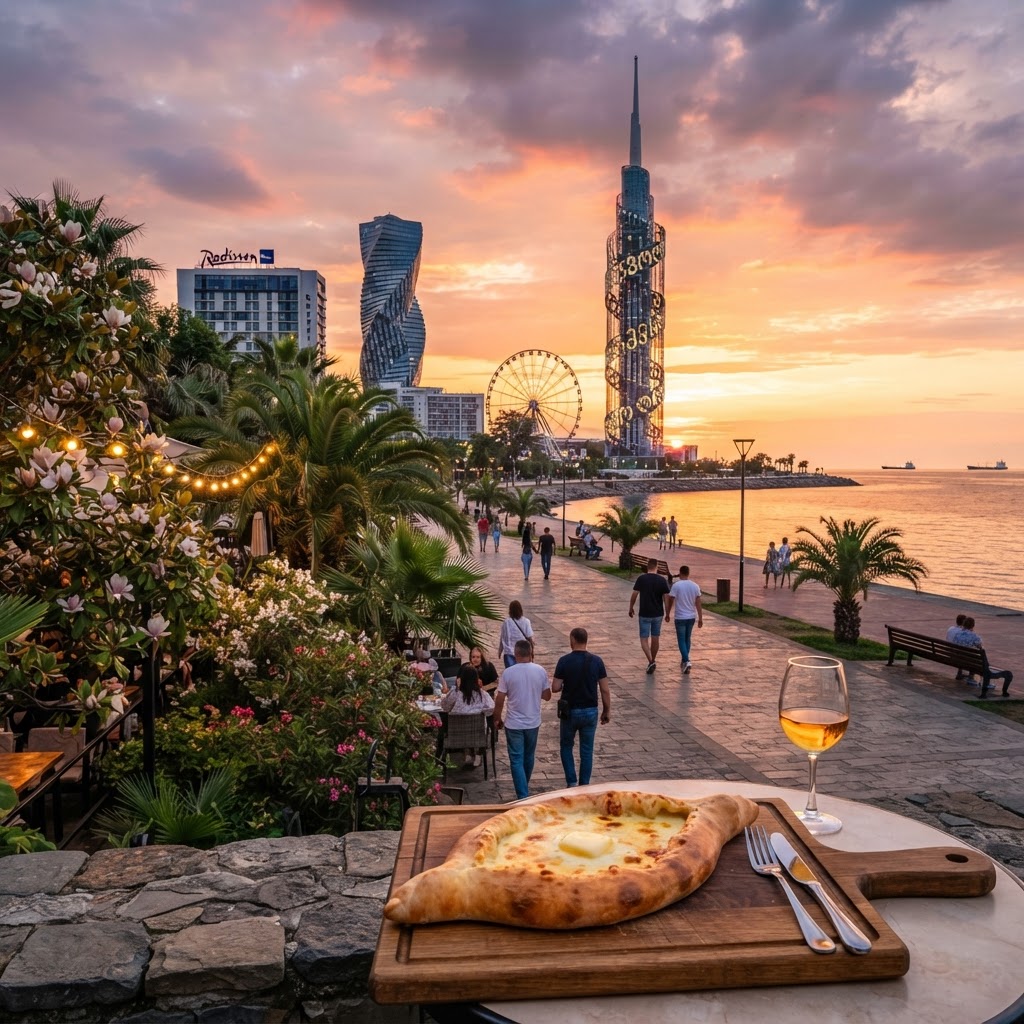
Batumi, Georgia
Georgia
Black Sea surrealism meets subtropical botanical grandeur and boat-shaped khachapuri.
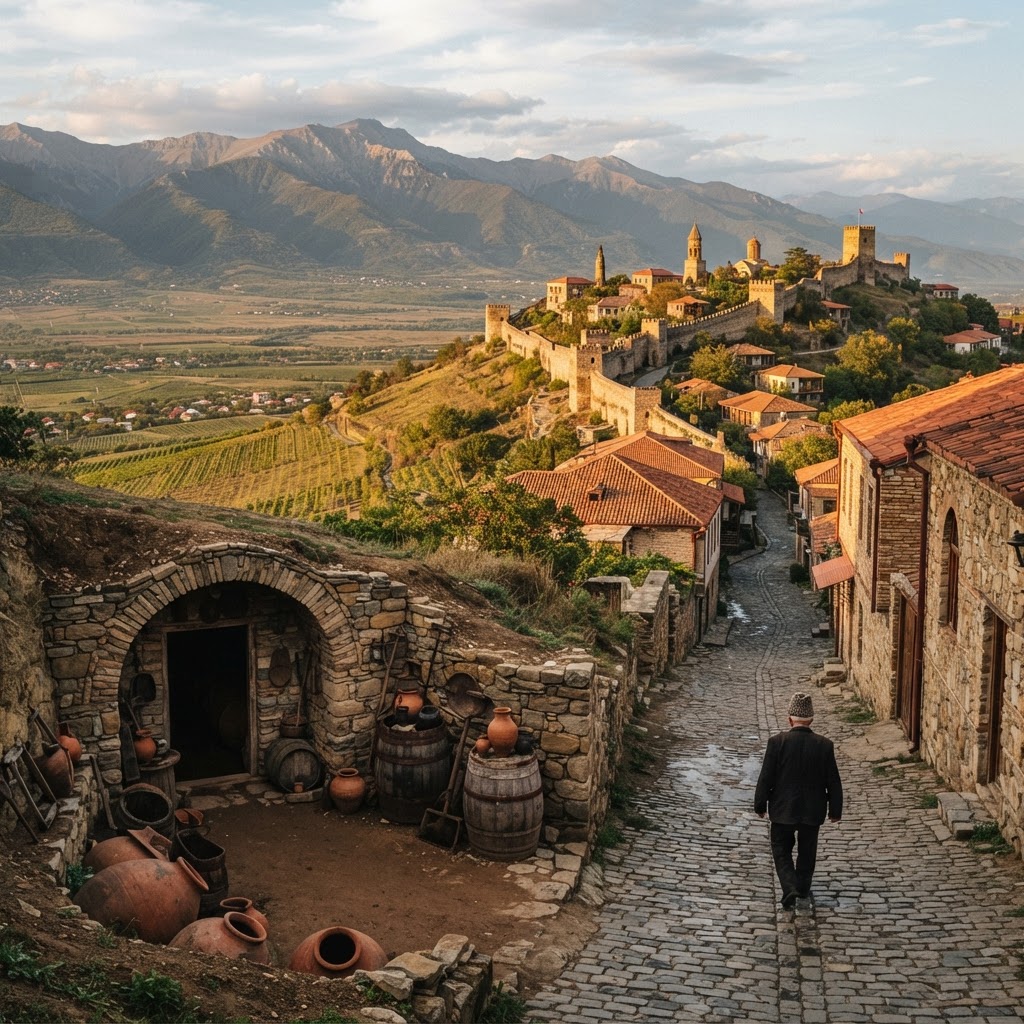
Kakheti, Georgia
Georgia
Ancient qvevri wine cellars and walled mountain towns in the cradle of viticulture
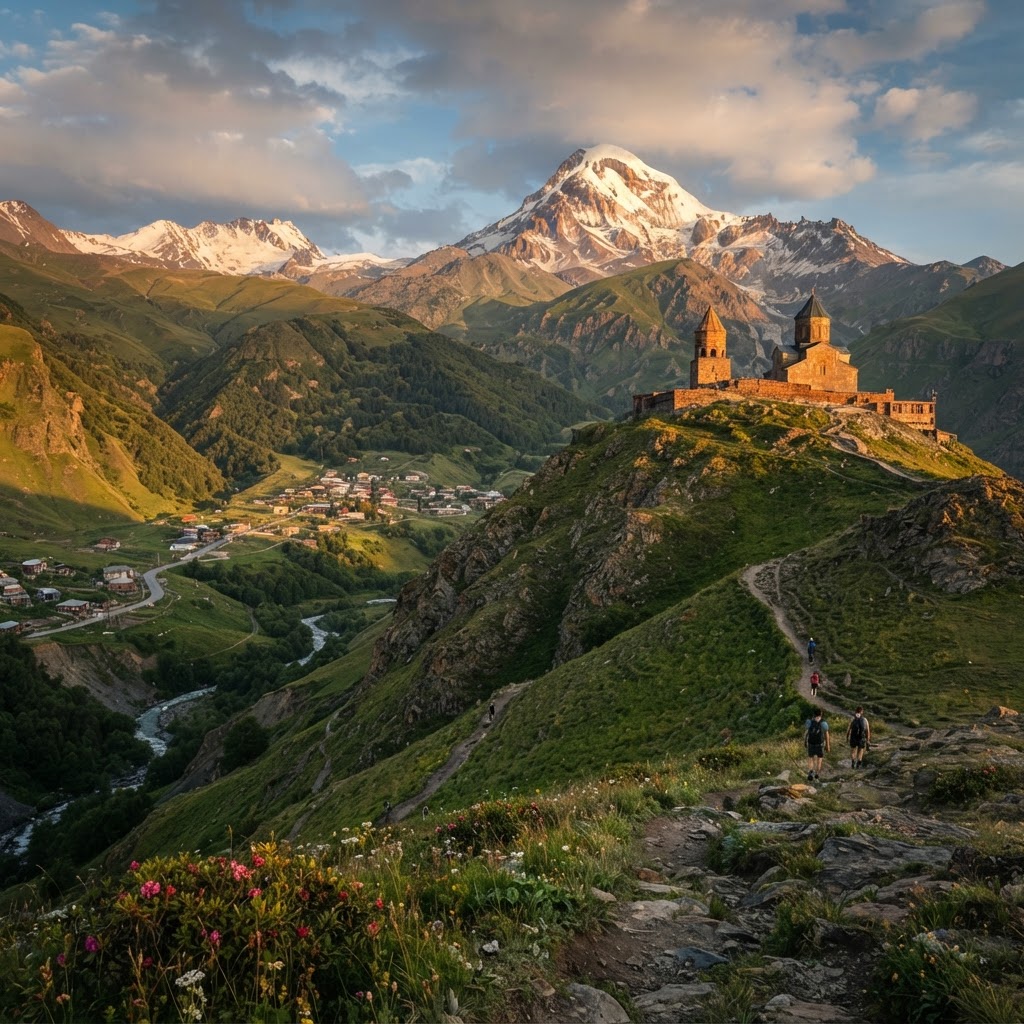
Kazbegi (Stepantsminda), Georgia
Georgia
Dramatic Greater Caucasus peaks, cliffside alpine monasteries, and legendary hiking valleys within striking distance of Tbilisi.
Readymade itineraries
Start from a tested template — then make it yours.
Ready to book
Lock in your Kakheti Wine Region, Georgia trip
Everything in one place. We may earn a small commission — it never costs you more.
Plan a trip to Kakheti Wine Region, Georgia
Pick a length and we'll build a day-by-day plan around how you travel — neighborhoods clustered, budget-aware, and editable.
Get better at planning trips like this
Occasional notes on planning smarter — no spam, unsubscribe anytime.
Plan a trip to Kakheti Wine Region, Georgia
Turn this guide into a day-by-day plan built around your pace, your group, and your budget.
Build my Kakheti Wine Region, Georgia trip