Costa Rica
Guanacaste, Costa Rica
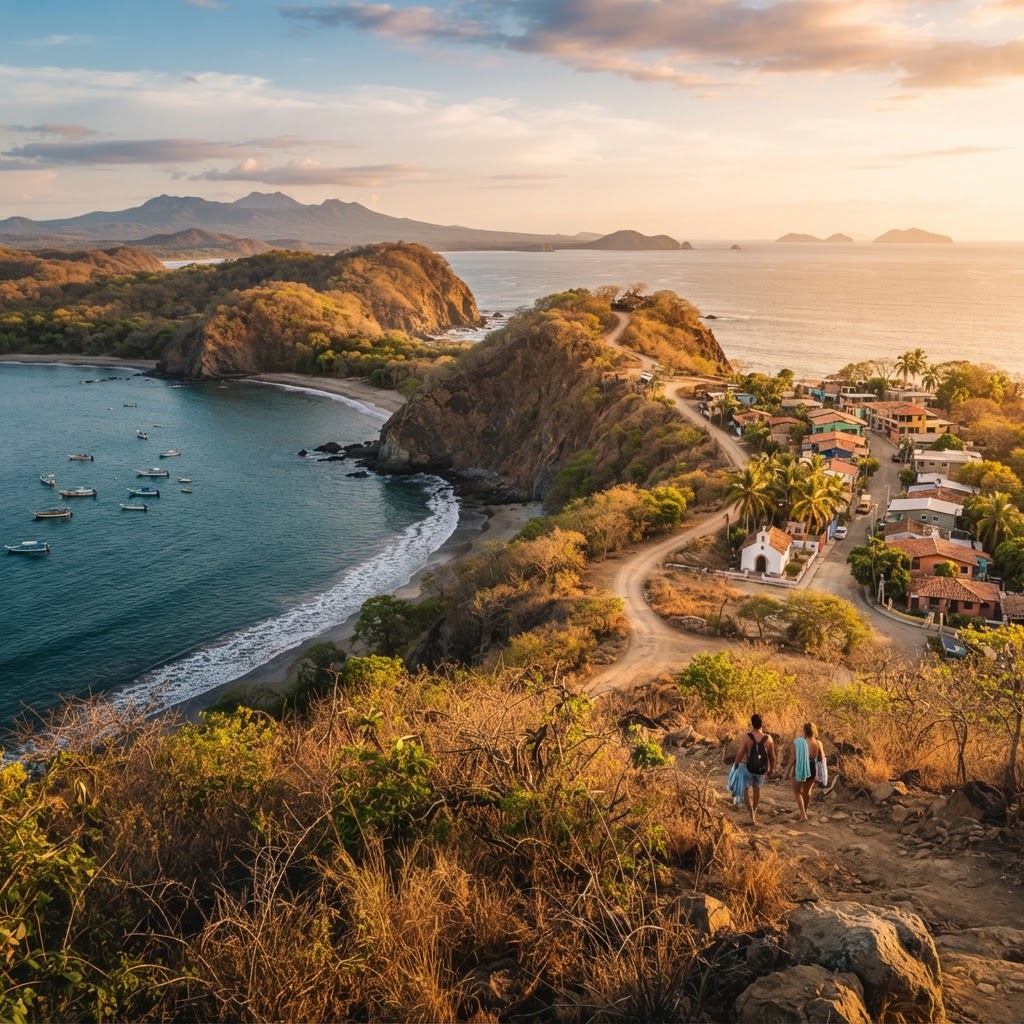
Sun-drenched Pacific coastlines, rare tropical dry forests, and volcanic badlands without the Caribbean rainfall.
Plan & book
Sort your Guanacaste, Costa Rica trip in one place.
We point you to the booking tools we'd actually use — live prices, no markup. Or let us build the day-by-day plan around you first, then book.
Occupying Costa Rica’s sunbaked northwest corner, Guanacaste trades the dense cloud forests of the central highlands for sweeping Pacific bays, arid savannahs, and active volcanic foothills. Anchored by the international terminal at Liberia (LIR), the province offers immediate access to the country's most reliable dry season weather, catering equally to barefoot surf cultures and cliffside eco-resorts.
7 to 8 days
Best time
December through April for reliable blue skies; May to June for lush greenery without monsoon washouts.
Build your own trip with these prebuilt itineraries
Each one is a tested, day-by-day plan for Guanacaste, Costa Rica — start here, then make it yours.
10 Days Off-the-Beaten-Path Nicoya Road Trip in Guanacaste
Rugged 4x4 coastal expedition through secluded coves, car-free Las Catalinas, wildlife reserves, and quiet surf outposts
7 Days in Guanacaste: Land, Sea, and Volcanoes in Guanacaste
Classic first-timer loop balancing Rincón de la Vieja volcanic hikes, waterfalls, and calm Gulf of Papagayo beaches
5 Days of Pacific Surf and Coastal Chill in Guanacaste
Surfing breaks, sunset beach crawls, and coastal nightlife centered around Tamarindo and Playa Grande
Guanacaste delivers Costa Rica's highest concentration of swimmable, surfable beaches alongside immediate access to volcanic landscapes like Rincón de la Vieja. Because it sits within a unique tropical dry forest microclimate, it sees far less rainfall than the rest of the country, making it the most dependable coastal escape between December and April.
Where to stay
Getting there
Getting around
Food & drink
What it costs
Things to do
Book tours & tickets in Guanacaste, Costa RicaSkip it if
Travelers expecting lush, dripping, cinematic rainforest right outside their door should head to the Osa Peninsula, Manuel Antonio, or Arenal instead; Guanacaste's scenery is dry savannah and deciduous tropical forest, which turns straw-yellow during peak winter months.
When to go
Dry season delivers unbroken sunshine and dry roads but brings steep rates and arid, dusty landscapes. The early green season balances lower lodging costs and scenic vegetation against occasional afternoon rain showers that rarely derail beach plans.
Peak (December to April)
Virtually zero rainfall and consistent sunshine; expect peak seasonal pricing, dusty gravel roads, and packed beaches around Christmas, New Year's, and Easter.
Shoulder (May to June & November)
Afternoon rains revive the tropical dry forest into lush greenery, ocean swells pick up for surfers, and hotel rates moderate considerably.
Low (September to October)
Heaviest rainfall of the year, turning unpaved river crossings and dirt corridors muddy and impassable; several coastal businesses close for annual maintenance.
Neighborhoods
Where you stay shapes the trip. Here's how to think about it.
Tamarindo
Bustling surf hub with beach-break breaks, lively open-air bars, and barefoot walkability.
Best for:Beginner surfers, solo travelers, and nightlife seekers
Don't miss:Catching sunset drinks along the beachfront strip before walking across the estuary to the quieter sands of Playa Grande.
Playas del Coco & Playa Hermosa
Sheltered coastal curve balancing calm Pacific bays, local sodas, and easy boat charters.
Best for:Families, relaxed swimmers, and marine tour departures
Don't miss:Chartering a local panga out of Coco harbor for offshore snorkeling around the Catalina Islands or secluded coves.
Papagayo Peninsula
High-end secluded luxury enclave wrapped in private coves, calm waters, and dry forest hillsides.
Best for:Luxury travelers, honeymooners, and full-service resort stays
Don't miss:Stand-up paddleboarding across the glass-calm waters of Culebra Bay early in the morning before coastal winds pick up.
Las Catalinas & Potrero
Car-free Italianate coastal village bordered by quiet traditional bays and single-track coastal trails.
Best for:Hikers, mountain bikers, and travelers seeking architecture and tranquility
Don't miss:Hiking the McHenry Peak trail at daybreak for wide panoramic views across the Zapotal coastline.
Nosara (Guiones & Pelada)
Sprawling unpaved surf-and-wellness outpost defined by open yoga shalas, heavy swell, and coastal zoning buffers.
Best for:Intermediate to advanced surfers, yogis, and prolonged wellness escapes
Don't miss:Morning surf session at Playa Guiones followed by an iced cold brew on the unpaved main drag of North Guiones.
Destination intelligence
Updated 9/14/2026The structured record we plan every Guanacaste, Costa Rica itinerary from.
Walkability
Low overall across the province; individual beach pockets like Tamarindo and car-free Las Catalinas are walkable, but moving between towns requires wheels.
Transit quality
Limited; public buses connect major municipal hubs like Liberia and Nicoya slowly, but routes between coastal beaches are infrequent and inefficient for short trips.
Car needed
Yes, unless you plan to remain entirely inside a single resort or depend exclusively on organized tour vans.
Ideal duration
7 to 8 days
Minimum useful
4 days
Peak season
December through April, offering dry days, offshore winds, zero rain, and peak accommodation rates.
Shoulder season
May to June and November, when afternoon rain showers return, landscapes turn vibrant green, and crowd levels drop significantly.
Low season
September to October, the height of the green season, bringing heavy tropical downpours and muddy, unpaved backroads.
Best for
Common mistakes
- Flying into San José (SJO) instead of Liberia (LIR), adding a grueling five-hour overland transit.
- Renting a low-clearance sedan when exploring dirt roads between beach towns like Avellanas and San Juanillo.
- Underestimating rip currents on open surf beaches like Playa Grande and Tamarindo.
- Failing to budget for mandatory Costa Rican liability car insurance at airport pick-up desks.
Best nearby
See what a trip to Costa Rica actually costs. Travel Budget Co.
How to plan it
- Anchor your stay in a single coastal base—moving bases every two nights will burn valuable daylight on hot, dusty provincial roads.
- Split a week 5/2: spend five nights along the coast (such as Playa Hermosa or Potrero) and two nights inland near Rincón de la Vieja for geothermal hikes and cooler evenings.
- Do not attempt a day trip to Rio Celeste or Rincón de la Vieja in the afternoon; leave your beach town by 6:30 AM to beat midday park heat and cloud cover.
- If your heart is set on learning to surf, stay in Tamarindo or Samara; if your priority is quiet ocean swimming, pick Playa Hermosa or the Papagayo Peninsula instead.
Questions
Readymade itineraries
Start from a tested template — then make it yours.
Ready to book
Lock in your Guanacaste, Costa Rica trip
Everything in one place. We may earn a small commission — it never costs you more.
Plan a trip to Guanacaste, Costa Rica
Pick a length and we'll build a day-by-day plan around how you travel — neighborhoods clustered, budget-aware, and editable.
Get better at planning trips like this
Occasional notes on planning smarter — no spam, unsubscribe anytime.
Plan a trip to Guanacaste, Costa Rica
Turn this guide into a day-by-day plan built around your pace, your group, and your budget.
Build my Guanacaste, Costa Rica trip