Lebanon
Beirut, Lebanon
Unfiltered Mediterranean energy, complex history, and unmatched dining.
Plan & book
Sort your Beirut, Lebanon trip in one place.
We point you to the booking tools we'd actually use — live prices, no markup. Or let us build the day-by-day plan around you first, then book.
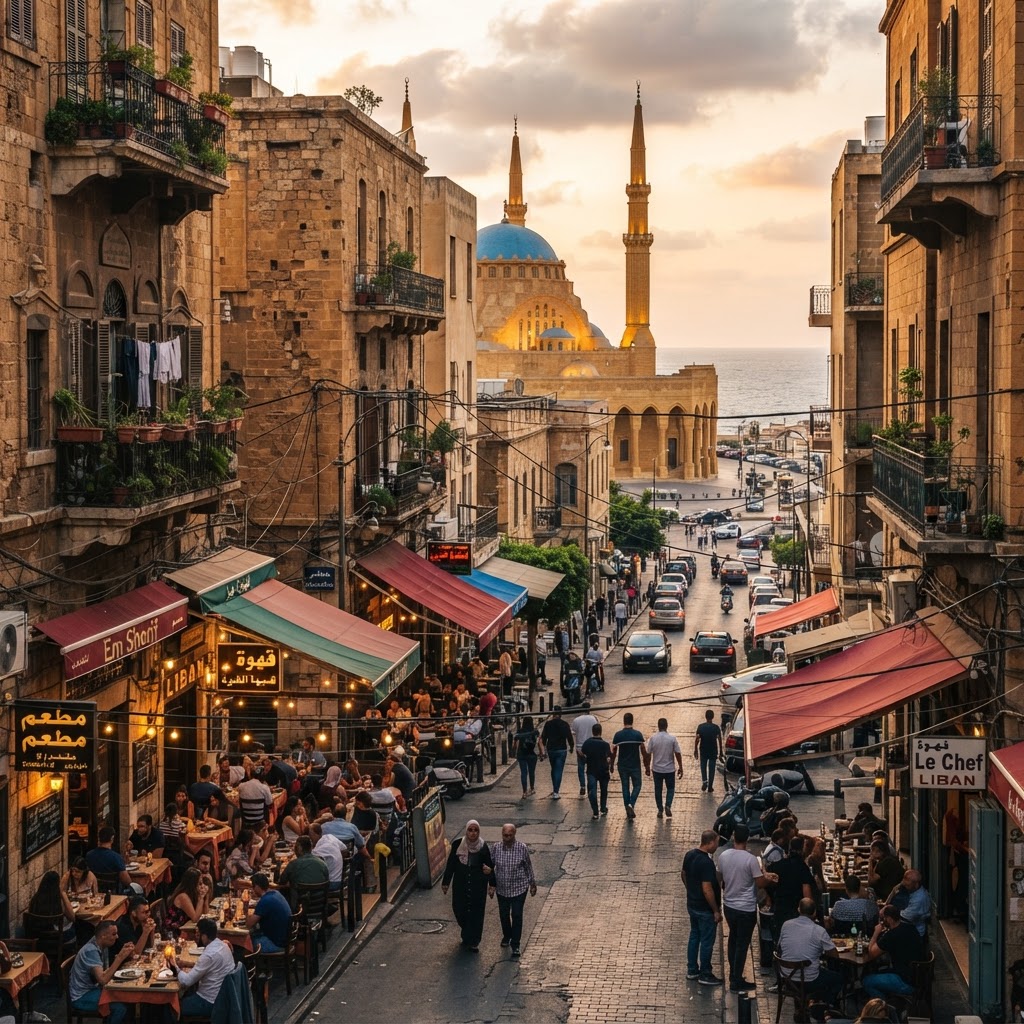
Beirut is a layered, headstrong coastal capital where French Mandate architecture, bullet-pocked relics, and sleek contemporary rooftop lounges sit shoulder-to-shoulder. It is not an easy, frictionless European city break—infrastructure is improvised, addresses rely on landmarks rather than street numbers, and public transit is practically nonexistent. Instead, Beirut rewards confident travelers with world-class hospitality, legendary culinary depth, and an electric neighborhood culture that turns every evening into a multi-hour social feast.
4 to 5 days
Best time
April to May and September to October for optimal cafe weather and comfortable urban walking.
Build your own trip with these prebuilt itineraries
Each one is a tested, day-by-day plan for Beirut, Lebanon — start here, then make it yours.
6 Days in Beirut: Coastal Hub & Mountain Excursions in Beirut
A slower-paced base stay combining Beirut's vibrant arts scene with private-driver day trips to Byblos, Chouf, and Mount Lebanon
5 Days in Beirut: Flavors, Wine & Culinary Culture in Beirut
A deep dive into Lebanese gastronomy, local souks, neighborhood mezze joints, and an excursion into the nearby Bekaa Valley wine estates
3 Days in Beirut: Urban Grit, Heritage & Nightlife in Beirut
First-time urban immersion focused on walking distinct neighborhoods like Gemmayzeh and Hamra, modern history, and the renowned cocktail culture
Go for an authentic urban collision of Mediterranean lifestyle and Middle Eastern heritage. Beirut is built around long meals, lively sidewalk culture, and remarkable resilience. You can spend the morning studying Phoenician sarcophagi at the National Museum, the afternoon getting lost in the independent design boutiques of Mar Mikhael, and sunset watching families along the Corniche before settling into arak-fueled mezze in Gemmayzeh.
Where to stay
Getting there
Getting around
Food & drink
What it costs
Things to do
Book tours & tickets in Beirut, LebanonSkip it if
Travelers expecting spotless, turn-key infrastructure, fully pedestrianized European promenades, or highly predictable public transit networks. It is also unsuitable for nervous travelers uncomfortable navigating fluid geopolitical news or local macroeconomic shifts.
When to go
Summer brings electric coastal nightlife and bustling rooftop lounges, but the heavy Mediterranean heat and humidity make exploring on foot exhausting. The spring and autumn shoulder seasons offer clear skies, manageable temperatures for hill walking, and vibrant al fresco dining without the peak July crowds.
Peak (June to August)
Expect sweltering coastal humidity, packed open-air clubs, and fully booked beach bars; plan mid-day breaks indoors under generator-powered air conditioning.
Shoulder (April–May & September–November)
The prime window for active exploration, vineyard trips to the Bekaa, and open-air dining along Gemmayzeh with mild evening breezes.
Low (December to March)
Frequent coastal rain and cooler temperatures; ideal for pairing a city stay with skiing in Mount Lebanon at Mzaar Kfardebian an hour away.
Neighborhoods
Where you stay shapes the trip. Here's how to think about it.
Gemmayzeh
Bohemian elegance lined with 19th-century French Mandate facades, buzzing terrace cafes, and design studios.
Best for:First-timers, architecture fans, and patio diners
Don't miss:Climbing the St. Nicholas Stairs up toward the restored villas of Sursock Street.
Mar Mikhael
Industrial-tinged creative quarter anchored along Armenia Street, home to cocktail bars, late-night vinyl lounges, and artisan pop-ups.
Best for:Nightlife explorers, cocktail enthusiasts, and solo travelers
Don't miss:Snagging an outdoor table on Armenia Street for craft cocktails before heading toward the old train station tracks.
Hamra
Intellectual, bustling commercial artery full of vintage bookstores, historic coffee houses, and university students.
Best for:Budget travelers, independent book lovers, and classic cafe culture
Don't miss:Grabbing fresh manousheh along blissfully chaotic Hamra Street before walking down to the American University of Beirut campus.
Badaro
Unpretentious, tree-shaded residential pocket packed with sidewalk bistros, micro-pubs, and daytime neighborhood regulars.
Best for:Low-key travelers, digital nomads, and relaxed evening drinks
Don't miss:Afternoon coffee and people-watching along Badaro Street before exploring the nearby National Museum of Beirut.
Achrafieh
Posh, hilly district characterized by quiet heritage alleyways, diplomatic residences, and luxury boutique hotels.
Best for:Couples, luxury seekers, and museum-goers
Don't miss:The contemporary art exhibitions and stained-glass architecture of the historic Sursock Museum.
Destination intelligence
Updated 9/14/2026The structured record we plan every Beirut, Lebanon itinerary from.
Walkability
Moderate within individual neighborhoods like Gemmayzeh, Mar Mikhael, and Hamra; poor for crossing between distant sectors due to fragmented pedestrian infrastructure.
Transit quality
Poor. There is no rail or standardized public transit; intra-city travel relies on ride-hailing apps or shared service taxis.
Car needed
No for Beirut proper. Renting a car to drive inside the city is actively discouraged; hire private drivers for day trips into the mountains or coast.
Ideal duration
4 to 5 days
Minimum useful
3 days
Peak season
June through August (bustling nightlife, rooftop clubs, coastal beach bars, though hot and humid).
Shoulder season
April to May and September to November (mild temperatures, comfortable walking weather, and lively outdoor dining).
Low season
December through March (rainy winters along the coast, though popular for skiers heading up to Mount Lebanon).
Best for
Common mistakes
- Relying on Google Maps street addresses instead of notable local landmarks or business names when hailing rides.
- Renting a self-drive car for city travel—chaotic traffic, unwritten right-of-way rules, and scarce parking make it counterproductive.
- Not carrying crisp, undamaged US cash dollars; currency dynamics make cash king across hotels, dining, and drivers.
- Attempting to cross Beirut during peak rush hours on foot or via taxi without factoring in severe urban bottlenecks.
- Visiting Bourj Hammoud or family-run artisanal markets on Sundays when small businesses shutter completely.
Best nearby
How to plan it
- Base yourself in Gemmayzeh or Mar Mikhael if you prioritize walking to dinner, craft cocktail bars, and indie art spaces every evening without needing taxis.
- Don't try to cram Baalbek's Roman ruins and the coastal town of Byblos into the same day trip; mountain traffic and road check-points make cross-country transit slower than map distances suggest.
- Book boutique heritage hotels like Hotel Albergo or guesthouses like Beit Tamanna at least 6 to 8 weeks ahead for travel during the June–August peak season.
- Pair Beirut with an overnight stay in the northern coastal town of Batroun or the Chouf mountains rather than commuting back into city traffic each night.
- Save Hamra, the American University of Beirut grounds, and the seaside Corniche for a single dedicated West Beirut walking day to minimize car transfers.
Questions
Readymade itineraries
Start from a tested template — then make it yours.
Ready to book
Lock in your Beirut, Lebanon trip
Everything in one place. We may earn a small commission — it never costs you more.
Plan a trip to Beirut, Lebanon
Pick a length and we'll build a day-by-day plan around how you travel — neighborhoods clustered, budget-aware, and editable.
Get better at planning trips like this
Occasional notes on planning smarter — no spam, unsubscribe anytime.
Plan a trip to Beirut, Lebanon
Turn this guide into a day-by-day plan built around your pace, your group, and your budget.
Build my Beirut, Lebanon trip